Scientific Name
Mammillaria magnifica F.G. Buchenau
Synonym(s)
Mammillaria magnifica var. minor
Scientific Classification
Family: Cactaceae
Subfamily: Cactoideae
Tribe: Cacteae
Subtribe: Cactinae
Genus: Epithelantha
Etymology
The specific epithet "magnifica" (pronounced "mag-NIH-fee-kuh") means "splendid" or "magnificent" and refers to the exceptionally impressive appearance of this species.
Origin of Mammillaria magnifica
Mammillaria magnifica is native to the Mexican states of Morelos and Puebla.
Description of Mammillaria magnifica
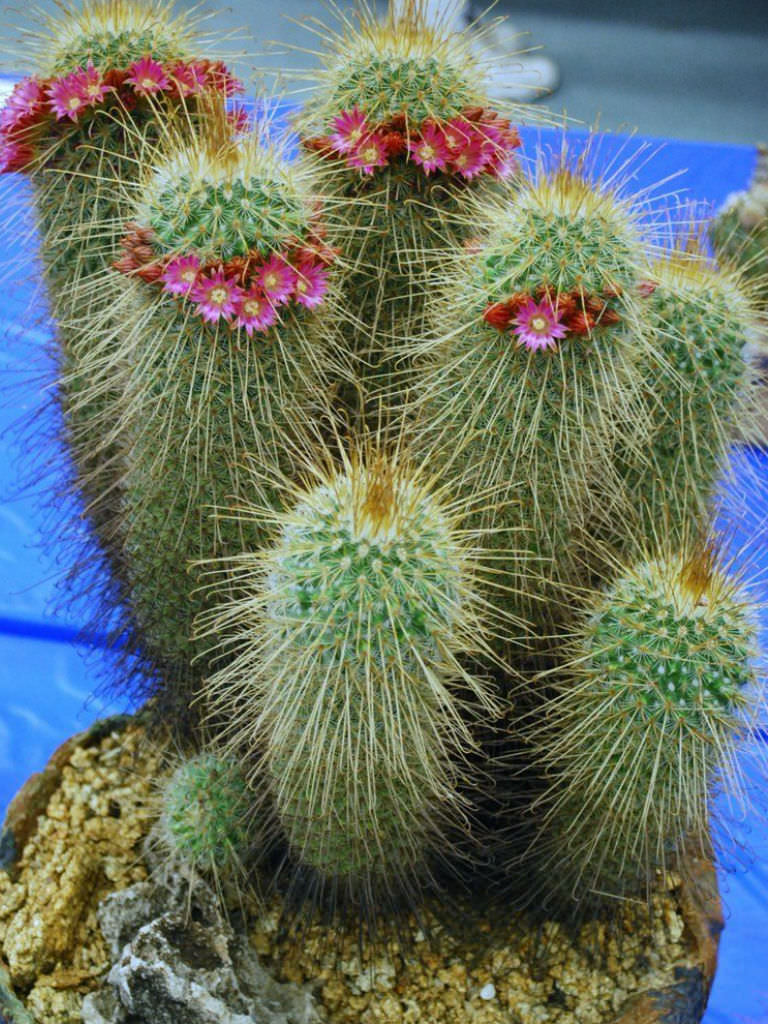
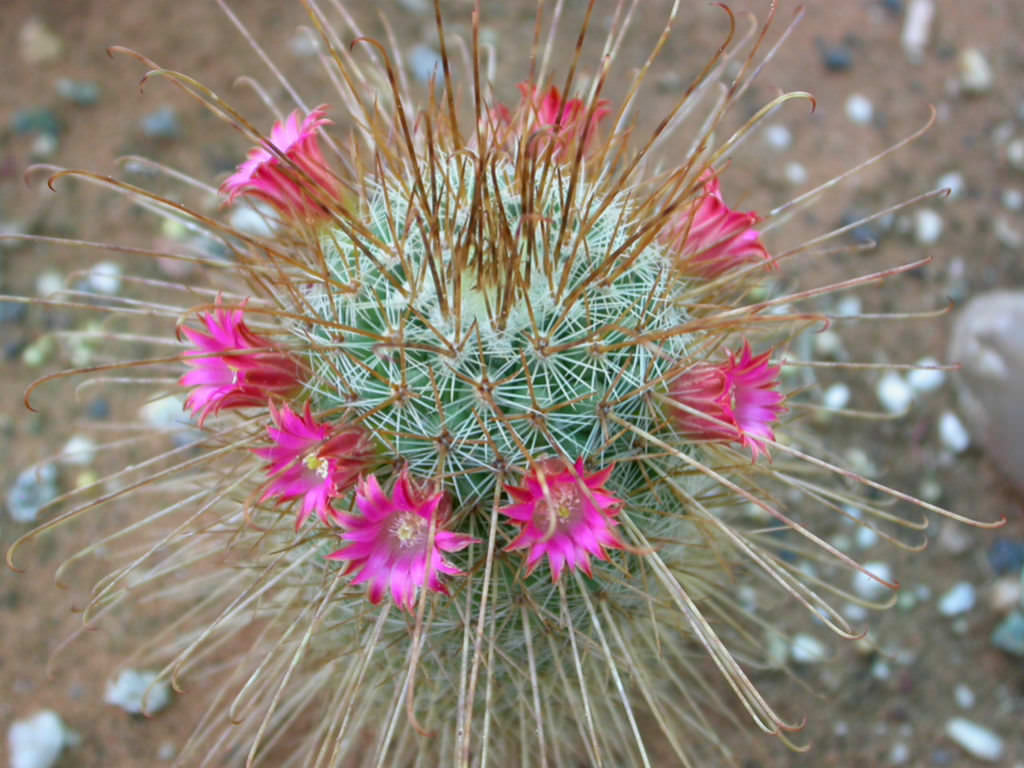
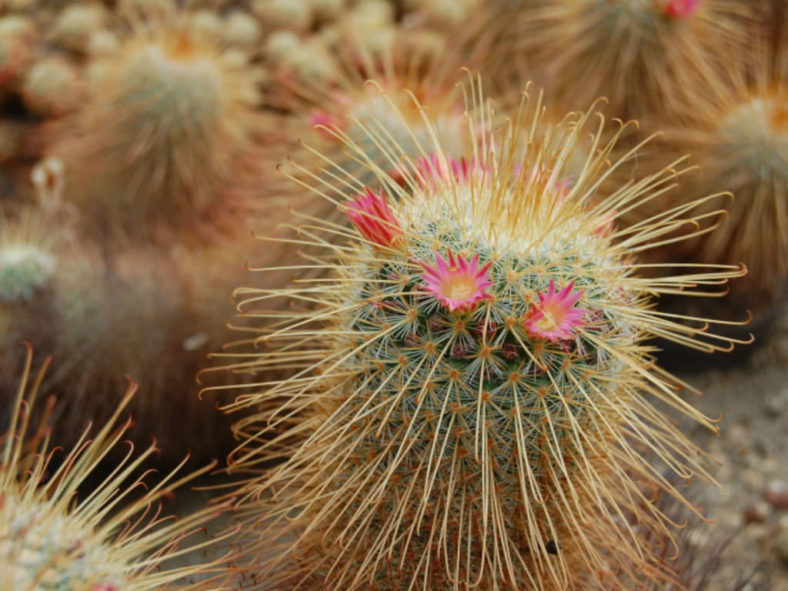
Mammillaria magnifica is a fast-growing cactus with cylindrical stems covered with pyramidal or conical tubercles tipped with clusters of spines, including one long and hooked central spine. The stems can reach a height of 16 inches (40 cm) and a diameter of 4 inches (10 cm). Each areole bears 18 to 24 white or yellowish radial spines and 4 to 5 yellowish-brown spines. The hooked central spine can grow up to 2.2 inches (5.5 cm) long, while the radial and other central spines can measure up to 0.3 inches (0.8 cm) in length.
The flowers are purplish-red or pinkish-red, and appear crowning the upper portions of the stems from late winter to early spring. They can reach a length of 0.8 inches (2 cm) and a diameter of 0.6 inches (1.5 cm). The fruits are pink with a green tip and contain tiny brown seeds. They are club-shaped and can grow up to 0.9 inches (2.2 cm) long.
How to Grow and Care for Mammillaria magnifica
Hardiness: USDA hardiness zones 9b to 11b: from 25°F (-3.9°C) to 50°F (10°C).
To encourage better flowering, allow the plants to enjoy a cooling period in the winter and suspend watering. Unlike many other cacti, which use their ribs as storage devices, Mammillaria features raised tubercles, from which spines emerge. When you water, the tubercles expand to increase water storage. The flowers emerge from the axils of these tubercles on the previous year's growth, which accounts for their interesting halo effect. The cactus mustn't be exposed to prolonged dampness or standing water. Never let your cactus sit in a dish of water. Lastly, fertilize during the growing season for the best results.
Repot as needed, preferably during the warm season. To repot Mammillaria, ensure the soil is dry, then gently remove the plant from its pot. Gently remove the old soil from the roots, being careful to remove any rotted or dead roots. Treat any cuts with a fungicide. Place the plant in its new pot and backfill it with potting soil, spreading the roots as you repot. Leave the plant dry for a week or so, then begin to water lightly to reduce the risk of root rot.
Learn more at How to Grow and Care for Mammillaria.
Links
- Back to genus Epithelantha
- Succupedia: Browse succulents by Scientific Name, Common Name, Genus, Family, USDA Hardiness Zone, Origin, or cacti by Genus
Photo Gallery
Click on a photo to see a larger version.