Scientific Name
Deuterocohnia brevifolia (Griseb.) M. A. Spencer & L. B. Sm.
Synonym(s)
Abromeitiella brevifolia, Abromeitiella chlorantha, Navia brevifolia, Tillandsia chlorantha
Scientific Classification
Family: Bromeliaceae
Subfamily: Pitcairnioideae
Genus: Deuterocohnia
Etymology
The specific epithet "brevifolia" (pronounced "brev-ee-FOH-lee-uh") means "short-leaved; having short leaves" and refers to the size of the leaves of this species.
Description
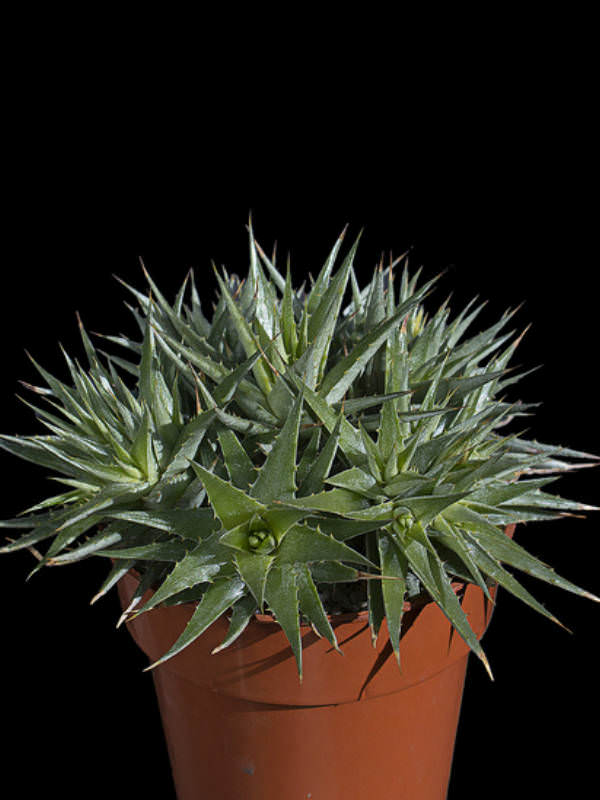
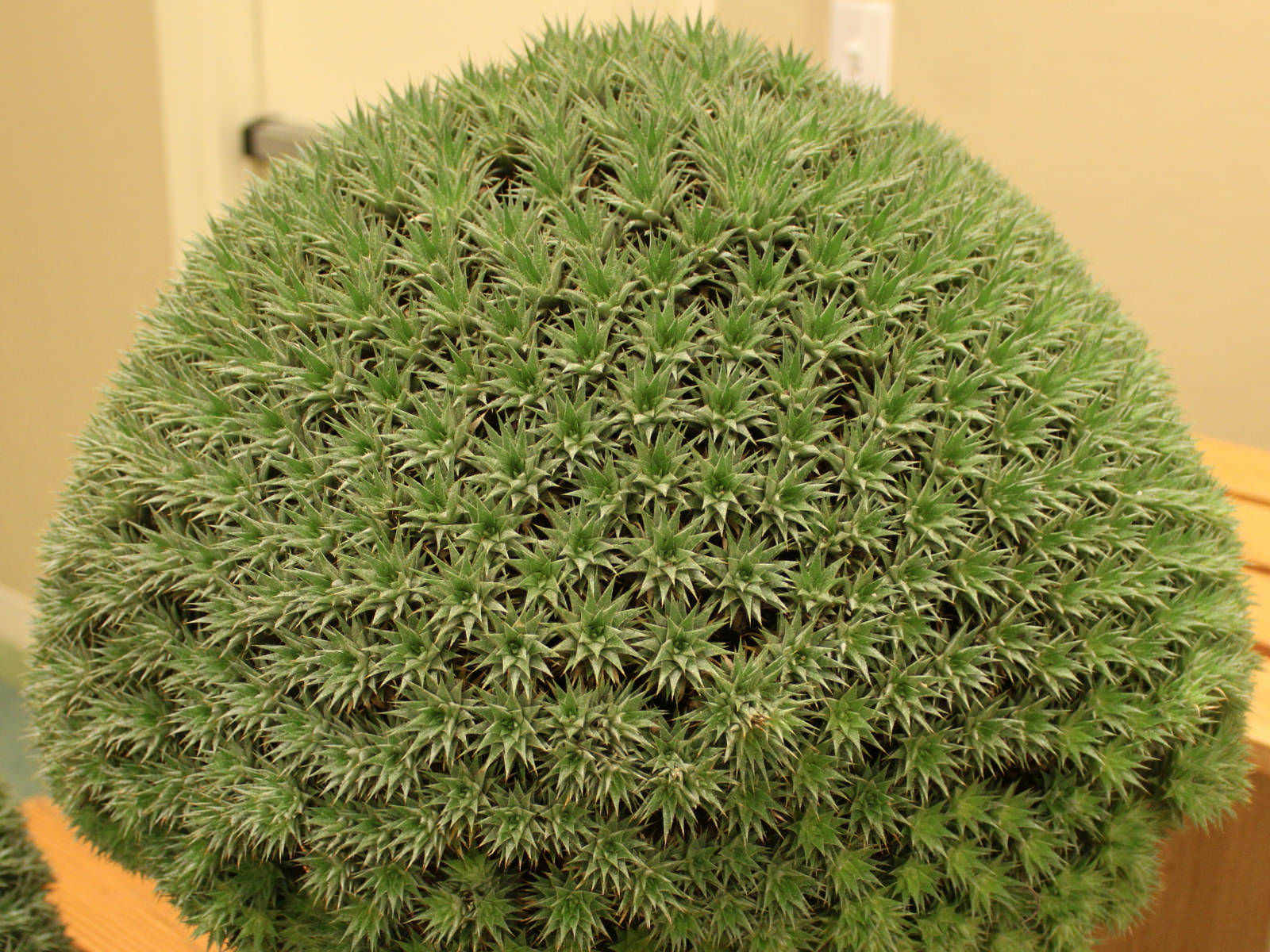
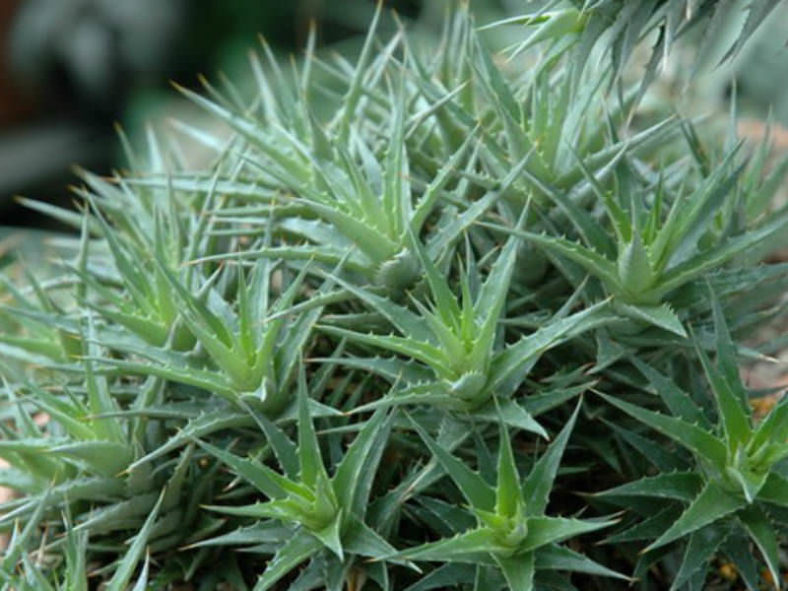
Deuterocohnia brevifolia, also known as Abromeitiella brevifolia, is a terrestrial bromeliad with small rosettes of fleshy, triangular leaves with toothed margins and a sharp tip. It can grow up to 6 feet (1.8 m) in diameter, forming large, compact, rounded mats of hundreds of rosettes. The rosettes can reach a diameter of 2 inches (5 cm), while the leaves can measure up to 1.2 inches (3 cm) in length.
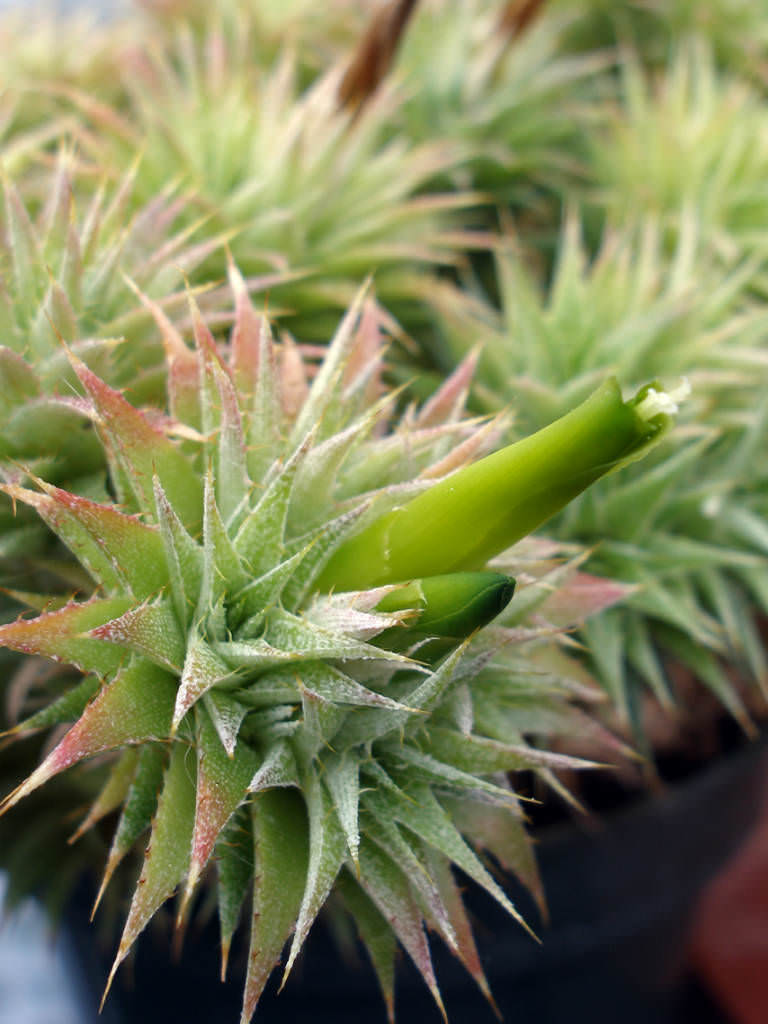
The flowers are small, cylindrical, intensely green, and grow in the middle of the rosettes on short inflorescences from winter to early spring.
Origin
Deuterocohnia brevifolia is native to Argentina and Bolivia.
How to Grow and Care for Deuterocohnia brevifolia
Hardiness: USDA hardiness zones 9b to 11b: from 25°F (-3.9°C) to 50°F (10°C).
Deuterocohnia is a perennial Bromeliad that forms an interesting mounding ground cover. It grows by slowly dividing into a tight cushion-shaped colony. In its native environments, it is watered perhaps only twice a year, obtaining most of its moisture from the air itself. It can get extra moisture from the ocean fogs that roll in.
This is an excellent plant for a small-scale groundcover in rock or succulent gardens. Deuterocohnia makes an interesting specimen plant in containers.
Grow your Deuterocohnia in well-drained, humus-rich soil with added pebbles, perlite, hardwood bark, or other materials to improve drainage. Keep in bright light or partial sun and water moderately in spring and summer, allowing the soil to dry between waterings. Limit water during winter. It is probably one of the Bromeliads' cold-hardiest, but detesting winter wet on its foliage makes it difficult to keep outside.
Learn more in "How to Grow and Care for Deuterocohnia."
Links
- Back to genus Deuterocohnia
- Succupedia: Browse succulents by Scientific Name, Common Name, Genus, Family, USDA Hardiness Zone, Origin, or cacti by Genus
Photo Gallery
Click on a photo to see a larger version.