Scientific Name
Crassula 'Blue Bird'
Accepted Scientific Name
Crassula arborescens subsp. undulatifolia Toelken
Synonym(s)
Crassula arborescens 'Blue Bird', Crassula arborescens subsp. undulatifolia 'Blue Bird', Crassula portulacea 'Blauwe Vogel'
Scientific Classification
Family: Crassulaceae
Subfamily: Crassuloideae
Genus: Crassula
Origin
Crassula 'Blue Bird' is a form of Crassula arborescens subsp. undulatifolia, which occurs in the southern parts of the Klein Winterhoek Mountains of the Eastern Cape province of South Africa.
It was introduced and described by Boudewijn Karel Boom in the Dutch journal Succulenta in 1963 as Crassula portulacea 'Blauwe Vogel' (meaning "blue bird"). For a long time, it was thought to be a hybrid of Crassula ovata and Crassula arborescens. However, after Toelken had received the leaves and inflorescences of this supposed hybrid, he explained that they were identical to those of the plant he had described as Crassula arborescens subsp. undulatifolia. Although Crassula 'Blue Bird' looksquite different, it is actually the same as Crassula arborescens subsp. undulatifolia, a subspecies of Crassula arborescens which has two distinct forms in cultivation.
Description
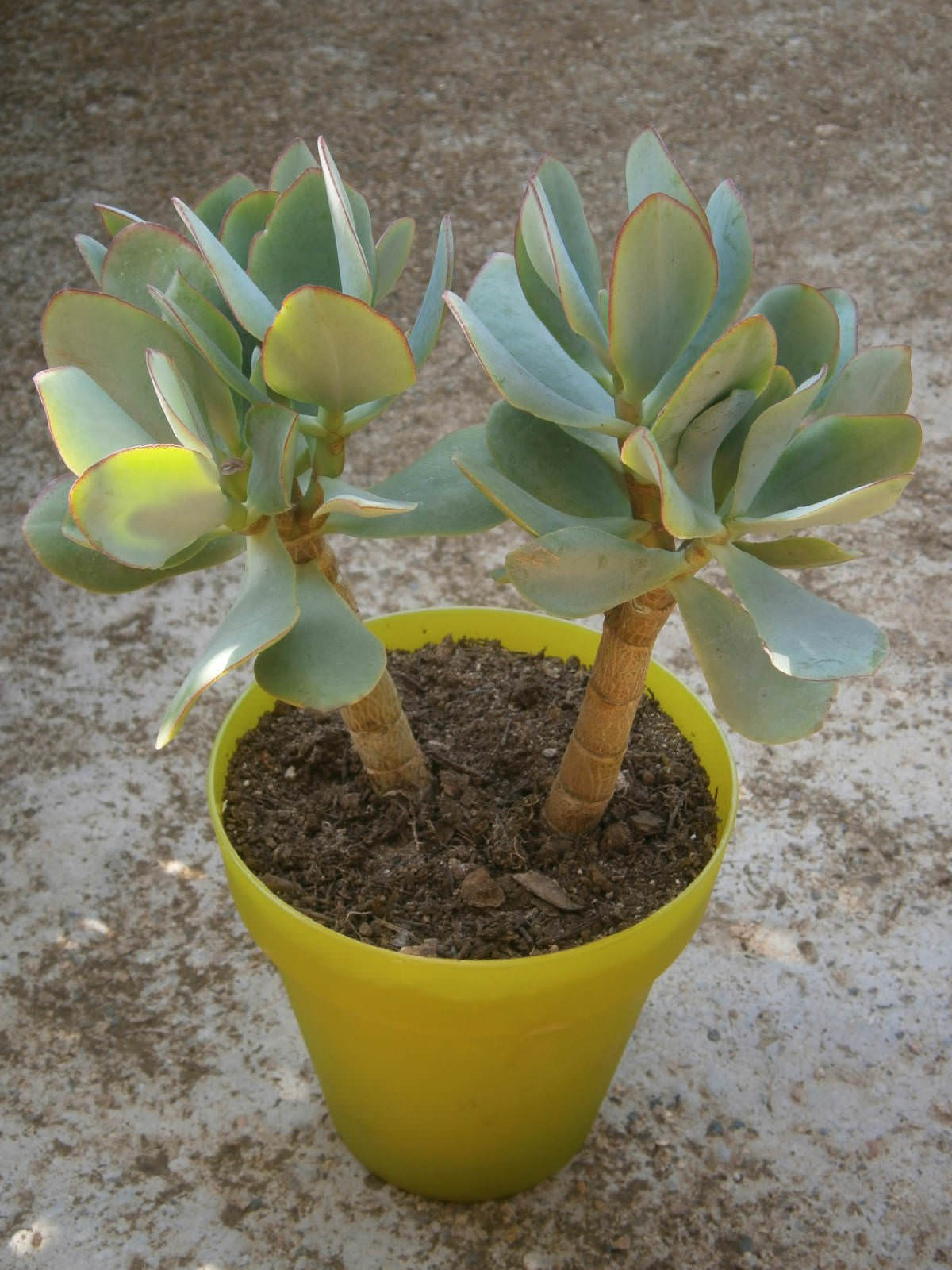
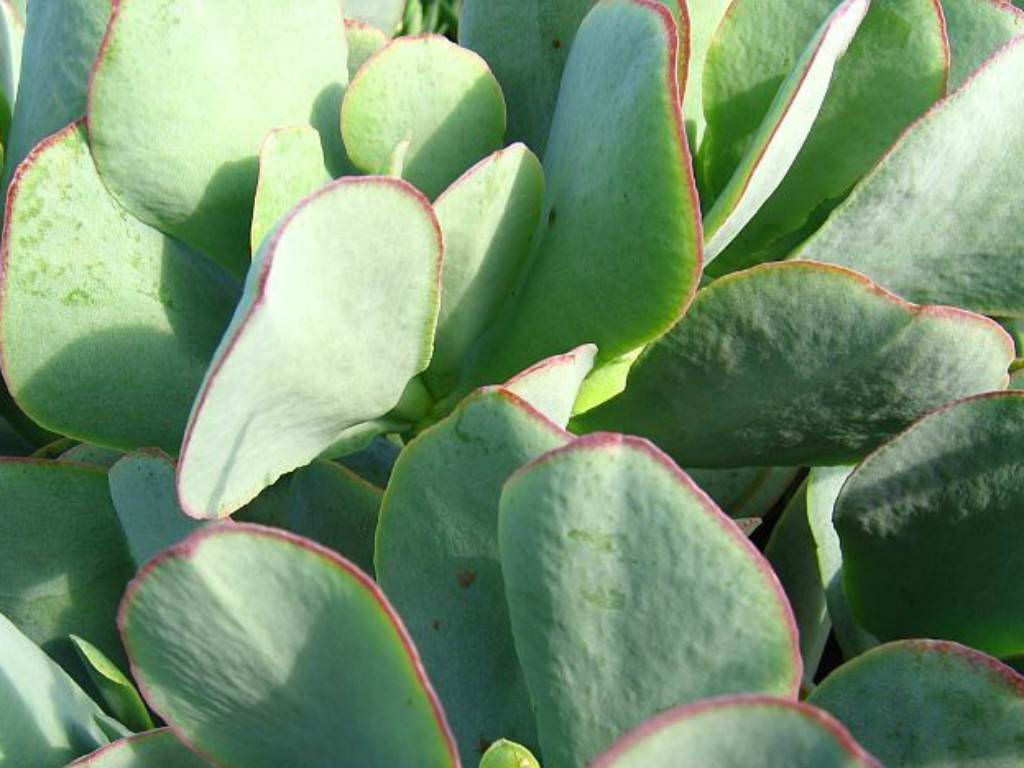
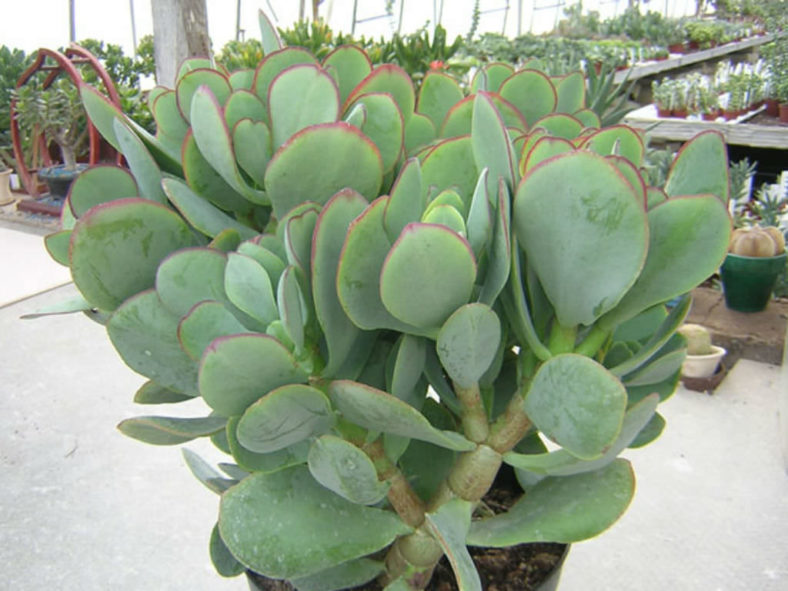
Crassula 'Blue Bird' is a succulent shrub with stout branches that bear opposite pairs of erect, bluish-gray, elongated leaves. It can grow to 3 feet (90 cm) tall. The leaves are elliptical, measuring up to 2 inches (5 cm) long and 1 inch (2.5 cm) wide.
The flowers are star-shaped, range from white to pink, and appear in compact, rounded heads from spring to mid-summer.
How to Grow and Care for Crassula 'Blue Bird'
Hardiness: USDA hardiness zones 9b to 11b: from 25°F (-3.9°C) to 50°F (10°C).
Crassulas are easy to grow but susceptible to mealybugs and fungal diseases. As with all succulents, overwatering is sure to be fatal, so err on the side of too dry rather than too wet. Never let your plant sit in water. If you water from beneath by allowing the plant to sit in a saucer of water, make sure to pour off any excess water after a few minutes.
These succulents are generally started by division, offsets, or leaf cuttings. Crassulas can be easily propagated from a single leaf. Sprout leaves by placing them into a potting mix for succulents, then cover the dish until they sprout.
Repot as needed, preferably during the warm season. To repot your Crassula, ensure the soil is dry before repotting, then gently remove the pot. Knock away the old soil from the roots, removing any rotted or dead roots. Treat any cuts with a fungicide. Place the plant in its new pot and backfill with potting soil, spreading the roots as you repot. Leave the plant dry for a week or so, then begin to water lightly to reduce the risk of root rot.
Learn more at How to Grow and Care for Crassula.
Links
- Back to genus Crassula
- Succupedia: Browse succulents by Scientific Name, Common Name, Genus, Family, USDA Hardiness Zone, Origin, or cacti by Genus
Photo Gallery
Click on a photo to see a larger version.