Scientific Name
Aeonium diplocyclum 'Giganteum'
Synonym(s)
Greenovia diplocycla 'Gigantea'
Scientific Classification
Family: Crassulaceae
Subfamily: Sempervivoideae
Tribe: Aeonieae
Genus: Aeonium
Etymology
The generic name "Aeonium" (pronounced "ee-OH-nee-um") means "long-lasting" and refers to the enduring, perennial nature of the plants in this genus.
The specific epithet "diplocyclum" (pronounced "dy-plo-SY-klum") means "double-circled" or "double-ringed" and refers to the distinctive double-layered appearance of the rosette of this species.
The cultivar epithet 'Giganteum' (pronounced "jy-GAN-tee-um") means "giant" or "gigantic; very large" and refers to the rosettes of this cultivar, which are much larger than the rosettes of the species.

Origin of Aeonium diplocyclum 'Giganteum'
Aeonium diplocyclum 'Giganteum' is a cultivar of Aeonium diplocyclum with a much larger rosette.
Description of Aeonium diplocyclum 'Giganteum'
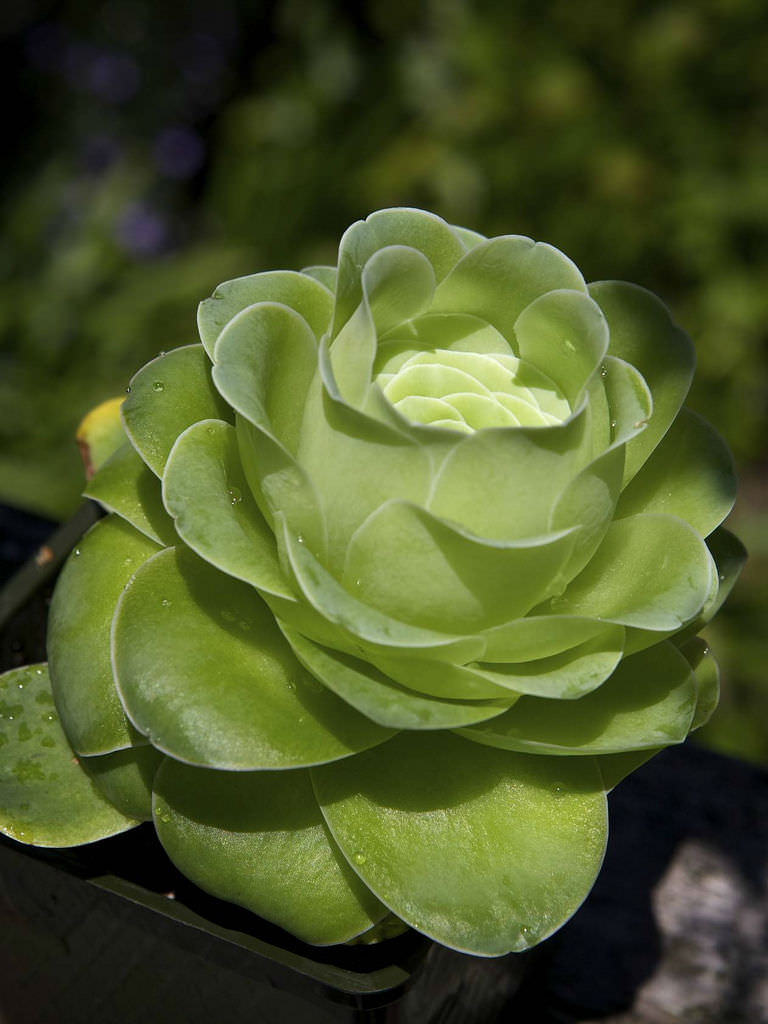
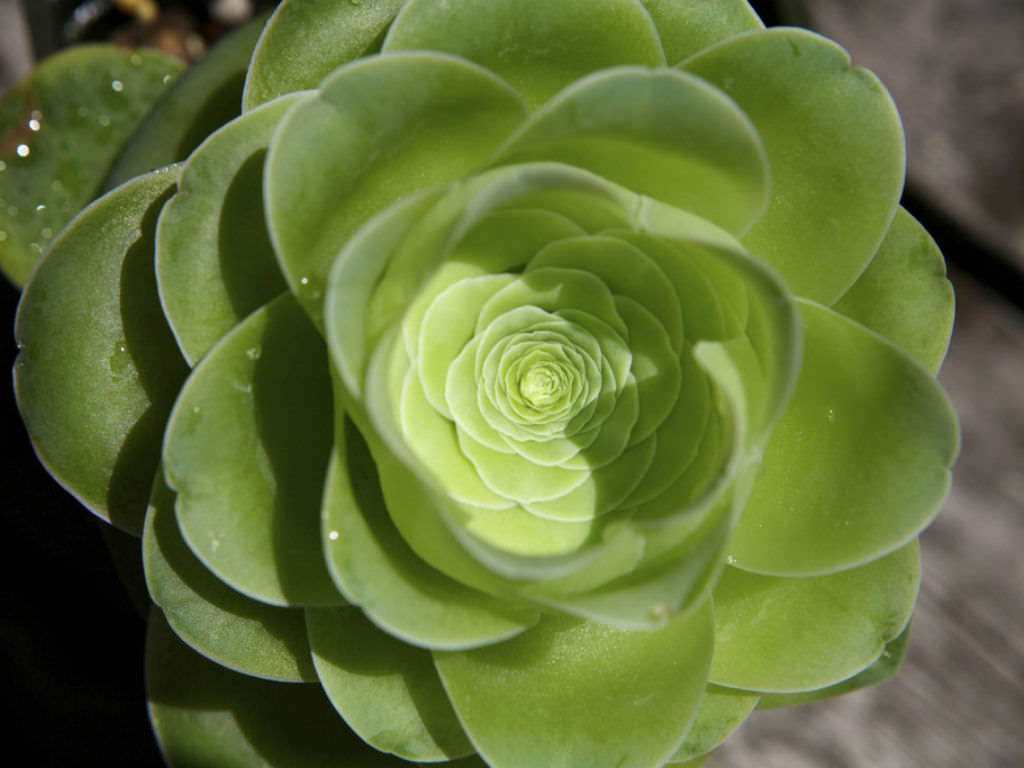
Aeonium diplocyclum 'Giganteum', also known as Greenovia diplocycla 'Gigantea', is an attractive succulent that forms a large, solitary rosette of soft, rounded, pale green leaves covered with a powdery bloom. The rosette can reach a diameter of 18 inches (45 cm). Under drought conditions, the leaves close into a tight, cool-looking ball.
It can take years to bloom when a large cluster of yellow, star-shaped flowers appears at the top of a densely leafy stalk, usually in spring. This plant is monocarpic, which means the rosette dies after flowering.
How to Grow and Care for Aeonium diplocyclum 'Giganteum'
Hardiness: USDA hardiness zone 9a to 11b: from 20°F (-6.7°C) to 50°F (10°C).
Aeoniums do not like hot or dry weather. Therefore, they may go dormant in summer and do not require any water except in arid conditions. In extreme heat, their leaves will curl to prevent excessive water loss. Growing them in moist shade will keep them growing, but their true growth season is winter to spring when temperatures are cool, 65°F to 75°F (18°C to 24°C, and damp. In the winter, water whenever the soil is dry. Test by poking your finger down into the soil an inch or two. Too much moisture or leaving them in wet soil will cause root rot.
A sandy loam or regular potting mix is better than a mix specifically for cacti and succulents since Aeoniums need some moisture. If you are growing them in containers, repot them every 2 to 3 years with fresh potting soil.
See more at How to Grow and Care for Aeonium.
Propagate Aeoniums by stem cuttings, except for unbranched species that die after flowering and are propagated from seed. Take cuttings when the plant is actively growing, usually in fall in USDA zones 9 through 11. Aeoniums go dormant in summer; cuttings taken while plants are dormant don't root. Each leaf rosette dies after it blooms.
See more at How to Propagate Aeonium.
Links
- Back to genus Aeonium
- Succupedia: Browse succulents by Scientific Name, Common Name, Genus, Family, USDA Hardiness Zone, Origin, or cacti by Genus
Photo Gallery
Click on a photo to see a larger version.