

Weingartia rauschii is not recognized as a separate species and is treated as a synonym of Weingartia canigueralii.
Taxonomy of Weingartia rauschii
Scientific Name
Weingartia rauschii (G.Frank) F.H.Brandt
Accepted Scientific Name
Weingartia canigueralii (Cárdenas) F.H.Brandt
Synonym(s)
Rebutia rauschii (misapplied), Sulcorebutia rauschii, Sulcorebutia tarabucoensis subsp. rauschii
Scientific Classification
Family: Cactaceae
Subfamily: Cactoideae
Tribe: Trichocereeae
Genus: Weingartia
Etymology
The specific epithet "rauschii" (pronounced "ROWSH-ee-eye") honors Walter Rausch (1928-2022 ), an Austrian cactus expert and plant collector.
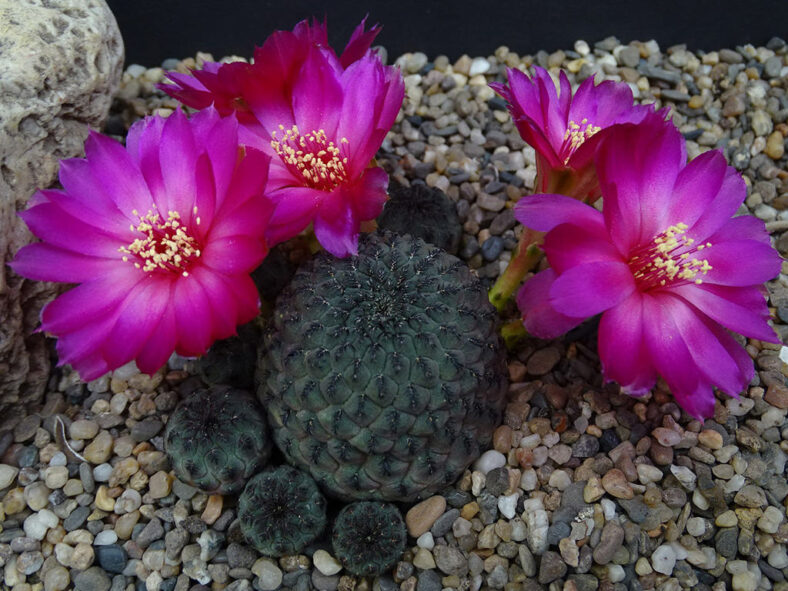
Forms of Weingartia rauschii
Description of Weingartia rauschii
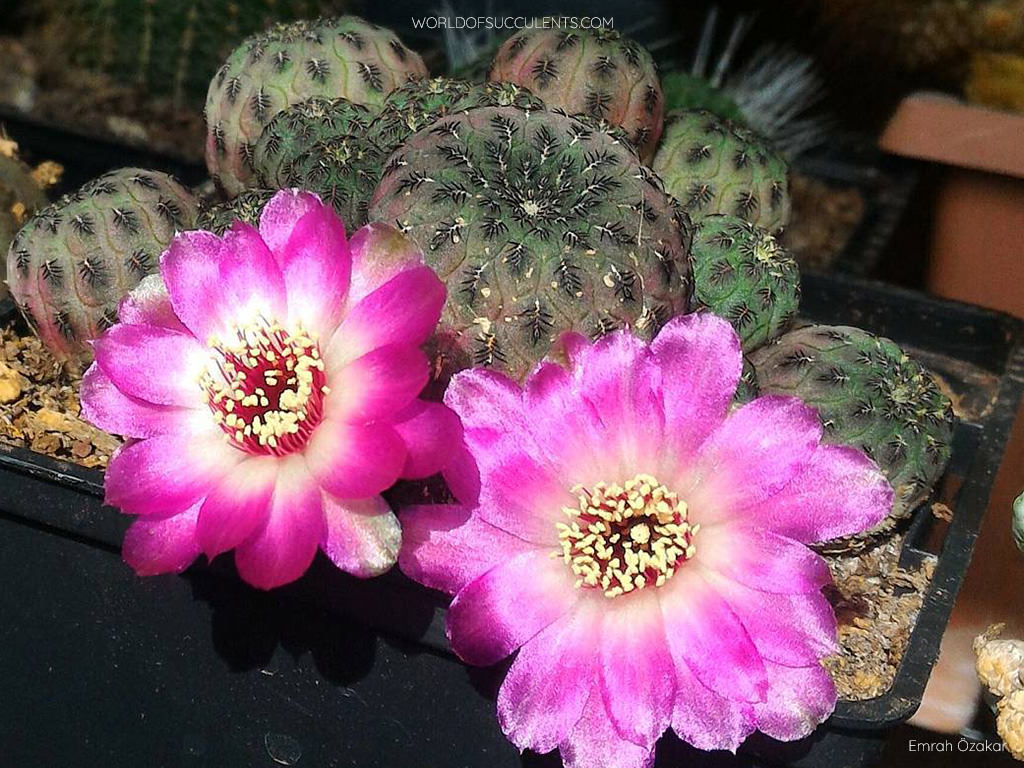
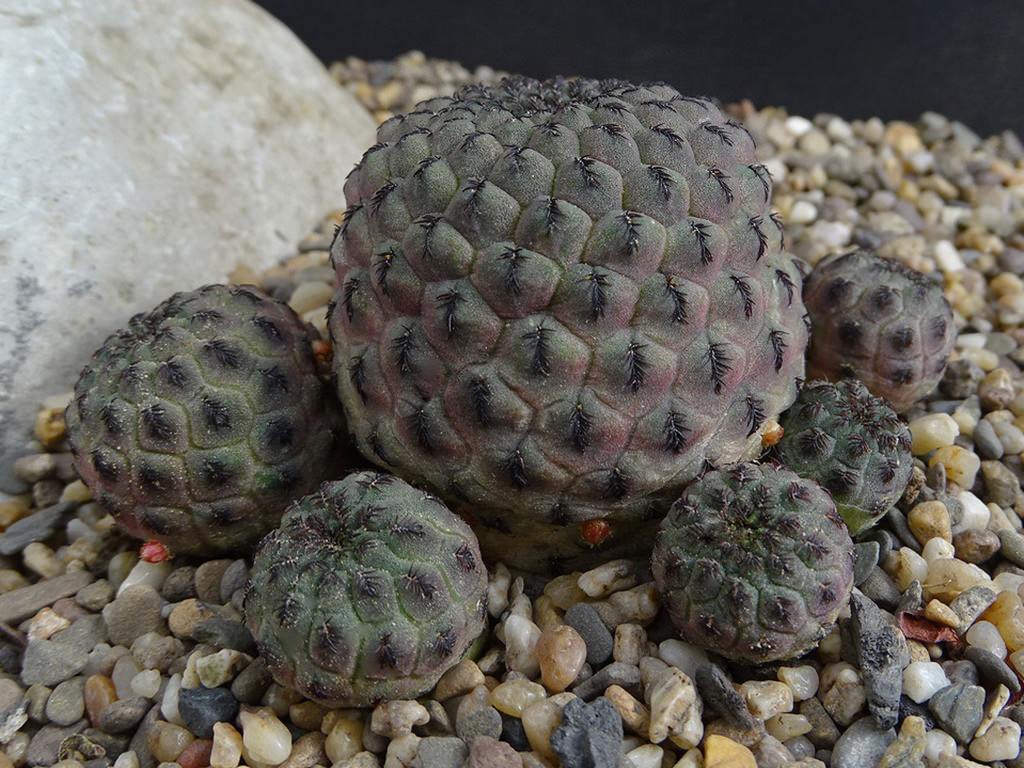
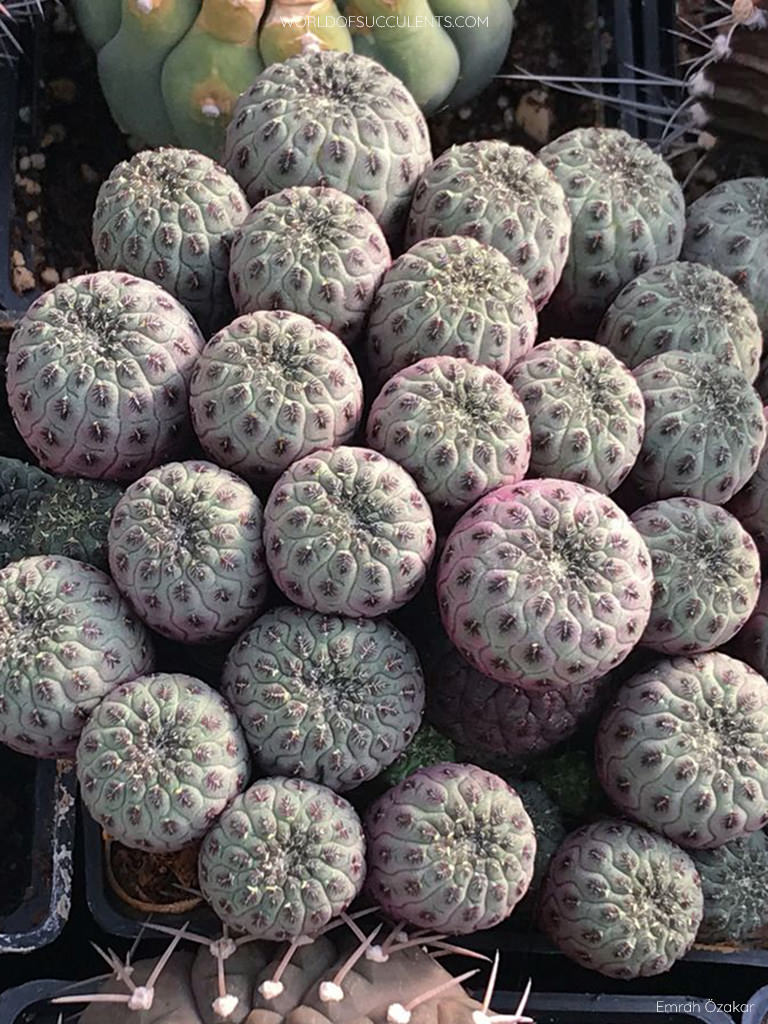
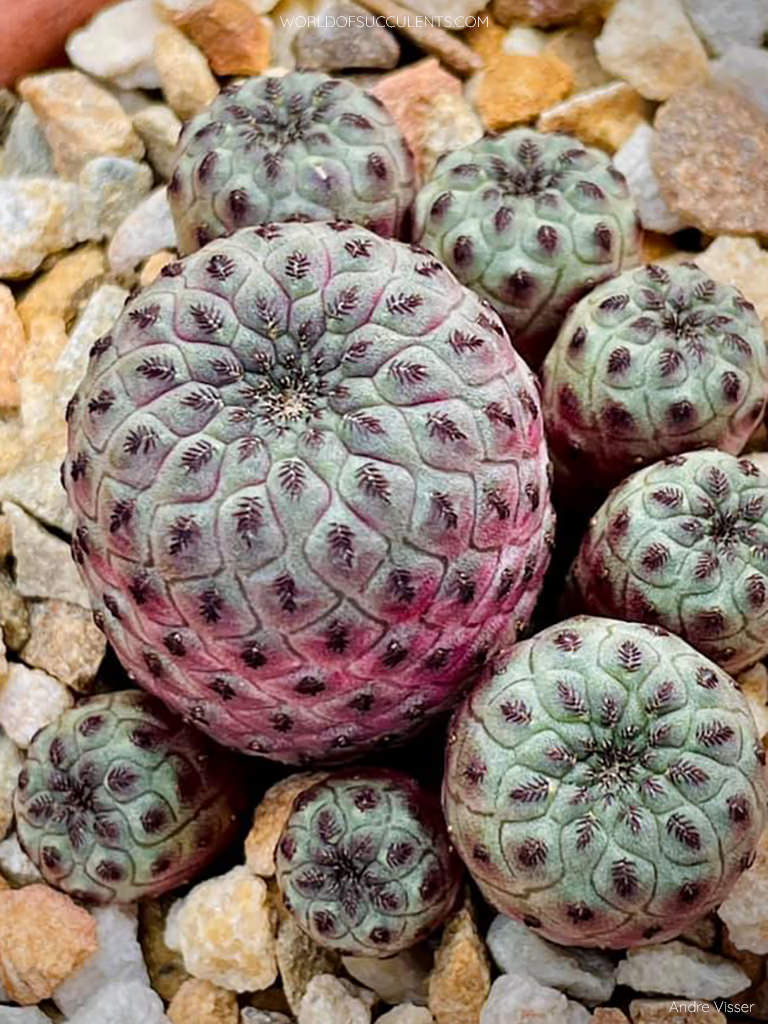
Weingartia rauschii, better known as Sulcorebutia rauschii or Rebutia rauschii, is a small cactus that grows slowly and forms a dense clump of dark green to purplish stems with short, black spines. The surface of the stems is covered with flat, spirally arranged tubercles, each tipped with a narrow, white-felted areole that bears a cluster of appressed spines in a pectinate (comb-like) arrangement. They can grow up to 1.6 inches (4 cm) tall and 2 inches (5 cm) in diameter. Each areole bears 9 to 11 radial spines. The central spines are absent.
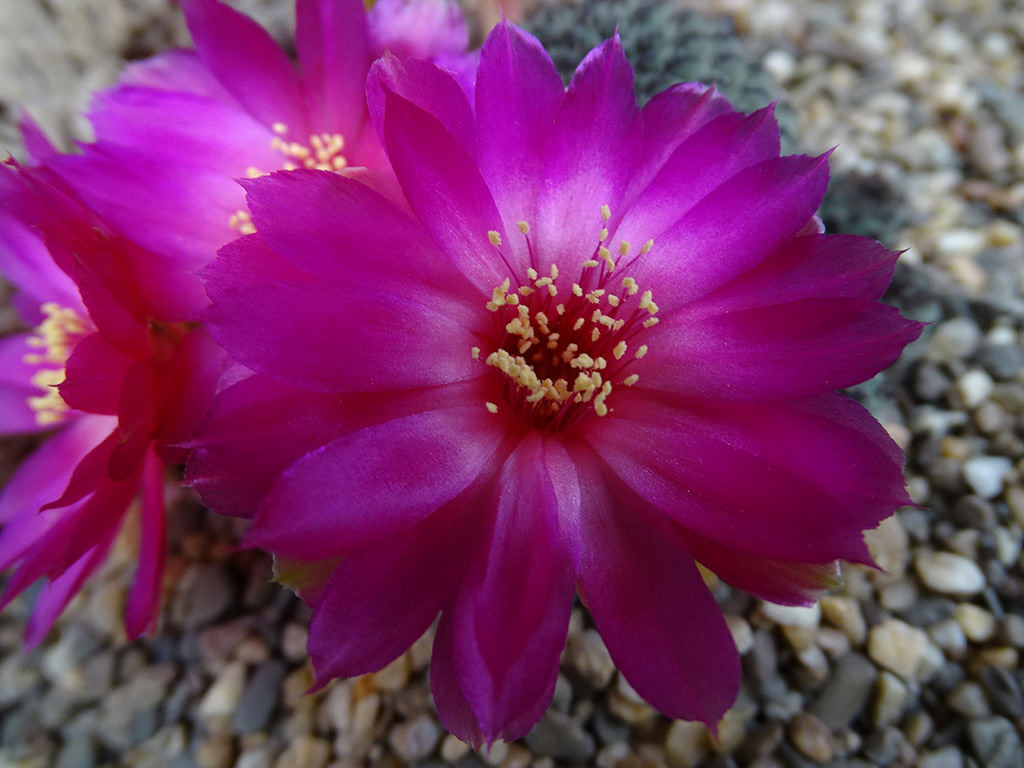
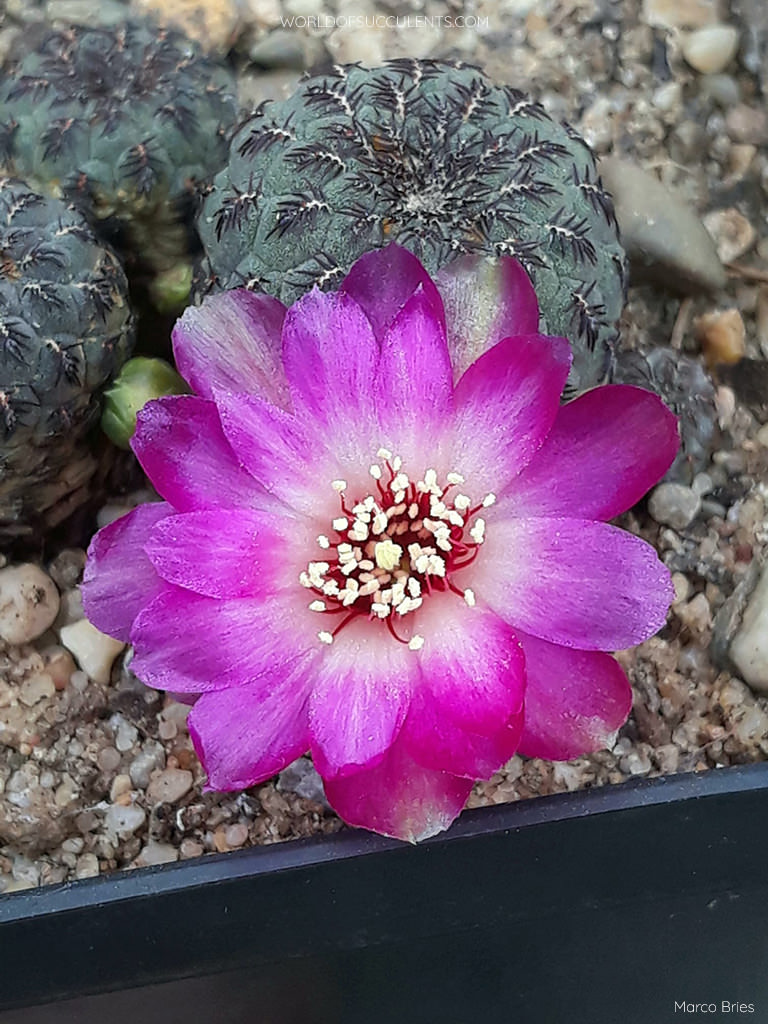
In late spring, this cactus produces beautiful flowers that remain open for 3 or 4 days. The flowers are glossy, deep magenta with a paler throat, and usually appear near the base of the stems. They are funnel-shaped, reaching up to 2 inches (5 cm) in length and nearly equal in diameter. The fruits are spherical, reddish-brown, and contain black seeds. They can grow up to 0.2 inches (0.5 cm) in diameter.
Origin of Weingartia rauschii
Weingartia rauschii is native to Bolivia and occurs near Zudáñez in the Chuquisaca Department at an elevation of about 9,190 feet (2,800 m) above sea level.
How to Grow and Care for Weingartia rauschii
Light: While it grows well in direct sunlight, Weingartia rauschii prefers partial shade during midday in the summer. A sunny window would be ideal if you are growing the cactus indoors.
Soil: Good drainage is essential for a healthy plant. You can use a commercial cacti soil mix or make your own.
Temperature: As a mountain plant, this cactus does not appreciate high temperatures and grows best in USDA Plant Hardiness Zones 9b to 11b, with average minimum winter temperatures ranging from 25 to 50 °F (-3.9 to 10 °C).
Watering: During the growing season, water Weingartia rauschii frequently, but allow the soil to completely dry out before watering again. However, when it goes dormant in the winter, stop watering.
Fertilizing: Although unnecessary, using a low-balanced soluble fertilizer diluted to half-strength can help your cactus thrive. However, suspend the feeding in winter.
Repotting: It is recommended to repot a young plant annually in early spring. However, a mature plant only requires repotting when it outgrows its container. The best time to repot is either late winter or early spring.
Propagation: You can propagate Weingartia rauschii by offsets or seed. Remove the offsets when the plant is actively growing and sow the seeds in the spring.
See more at How to Grow and Care for Rebutia.
Toxicity of Weingartia rauschii
Weingartia rauschii has no reported toxic effects.
Photo Gallery
Click on a photo to see a larger version.
Internal Links
- Explore all plants within the genus Weingartia.
- Explore all plants within the family Cactaceae.
References
- Pilbeam, J. (1997). The Cactus Handbook 2: Rebutia, p. 139