Scientific Name
Selenicereus tonduzii (F.A.C.Weber) S.Arias & N.Korotkova
Synonym(s)
Cereus tonduzii, Weberocereus tonduzii, Werckleocereus tonduzii
Common Name(s)
Ballerina Flower
Scientific Classification
Family: Cactaceae
Subfamily: Cactoideae
Tribe: Hylocereeae
Genus: Selenicereus
Etymology
The subspecific epithet "tonduzii" (pronounced "ton-DUZ-ee-eye") honors Adolphe Tonduz🡕 (1862–1921), a Swiss botanist who collected plants in Guatemala and Costa Rica.
Origin
Selenicereus tonduzii is native to Costa Rica. It grows as an epiphyte on the western slopes of Cordillera de Talamanca.
Description
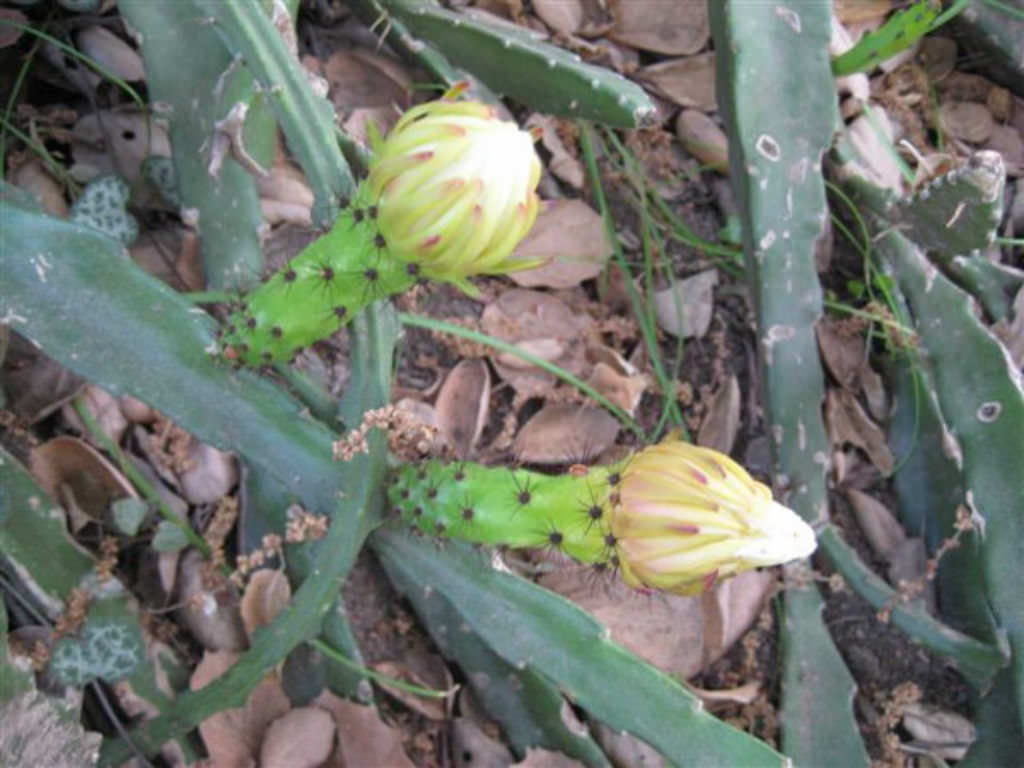
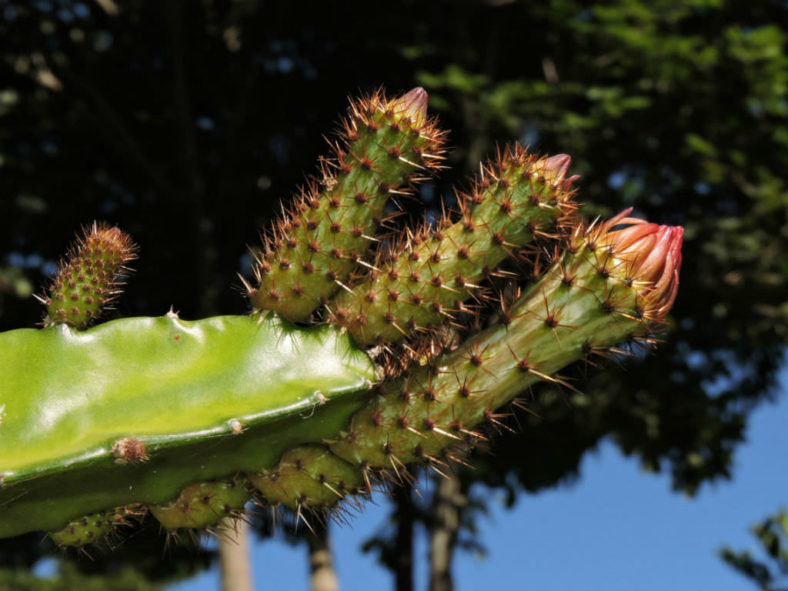
Selenicereus tonduzii, formerly known as Weberocereus tonduzii, is a well-branched cactus with climbing or trailing stems that have 2 or 3 angles, occasionally toothed or lobed, and lined with small, woolly areoles bearing up to 2 small spines. The stems are grayish-green, often with aerial roots. They can grow up to 13 feet (4 m) long and 2 inches (5 cm) in diameter.
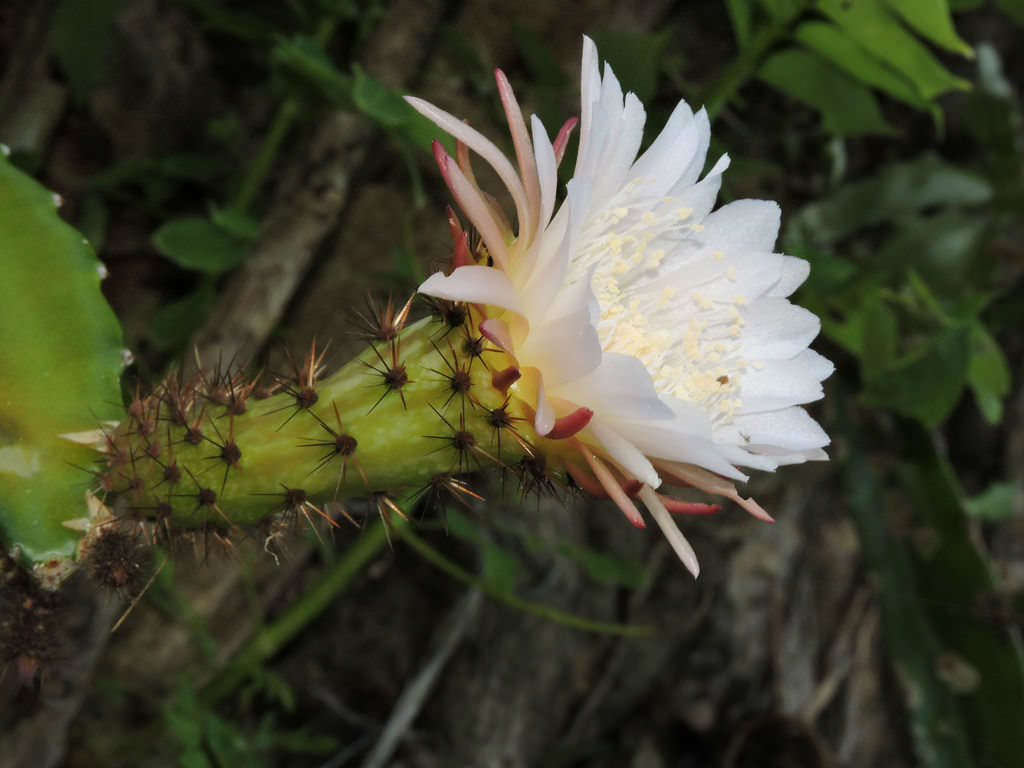
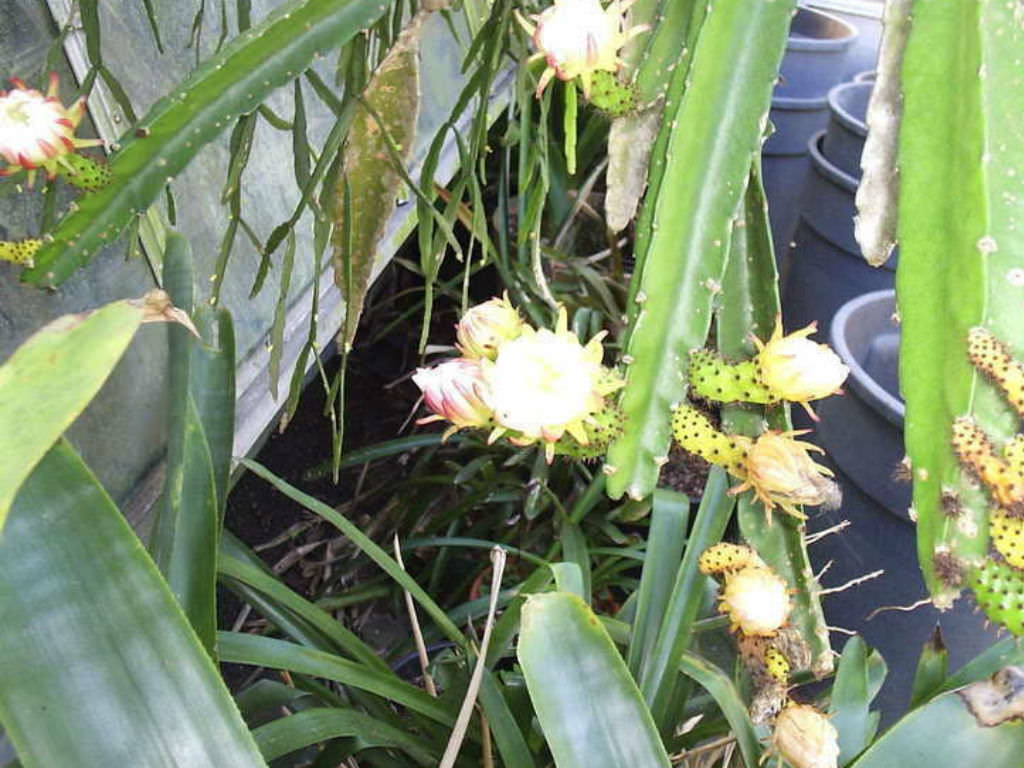
The nocturnal flowers are spiny but not hairy, yellow to white, with brownish-pink outer petals. They can measure up to 3 inches (7.5 cm) long and 2 inches (5 cm) in diameter.
How to Grow and Care for Selenicereus tonduzii
Hardiness: USDA hardiness zone 10b to 11b: from 35°F (1.7°C) to 45°F (7.2°C).
Like most cacti, Cereus are fairly low-maintenance and hardy. Make sure they receive enough water without becoming waterlogged, especially during the summer, and fertilize them for the best results. If the roots have turned black or become overly soft, the cactus may be experiencing root rot – cut away the affected parts and replant. Like all cacti, give them lots of direct sunlight, especially during the summer. Well-drained soil is best, and most Cereus cacti perform well in soil with some organic material. Some recommend avoiding soil that contains sphagnum moss, though – it can make the cactus vulnerable to root rot.
It may become necessary to repot your Cereus if it outgrows its container. If so, make sure the soil is dry and then remove the pot. Next, knock away the old soil, prune away any rotted or dead roots, replant in a new pot, and backfill with new soil. Ensure you do not overwater cacti planted in new pots, as this can lead to root rot – leave them dry for about a week, then water lightly.
See more at How to Grow and Care for Cereus.
Links
- Back to genus Selenicereus
- Succupedia: Browse succulents by Scientific Name, Common Name, Genus, Family, USDA Hardiness Zone, Origin, or cacti by Genus
Photo Gallery
Click on a photo to see a larger version.