Scientific Name
Rhipsalis rhombea (Salm-Dyck) Pfeiff.
Common Name(s)
Copper Branch
Synonym(s)
Cereus rhombeus, Epiphyllum rhombeum, Hariota rhombea
Scientific Classification
Family: Cactaceae
Subfamily: Cactoideae
Tribe: Rhipsalideae
Genus: Rhipsalis
Etymology
The specific epithet "rhombea" (pronounced "ROM-bee-a") means "rhomboid, rhomb-shaped" and refers to the shape of the joints of the branches of this species.
Origin
Rhipsalis rhombea is native to Brazil. It grows as an epiphyte.
Description
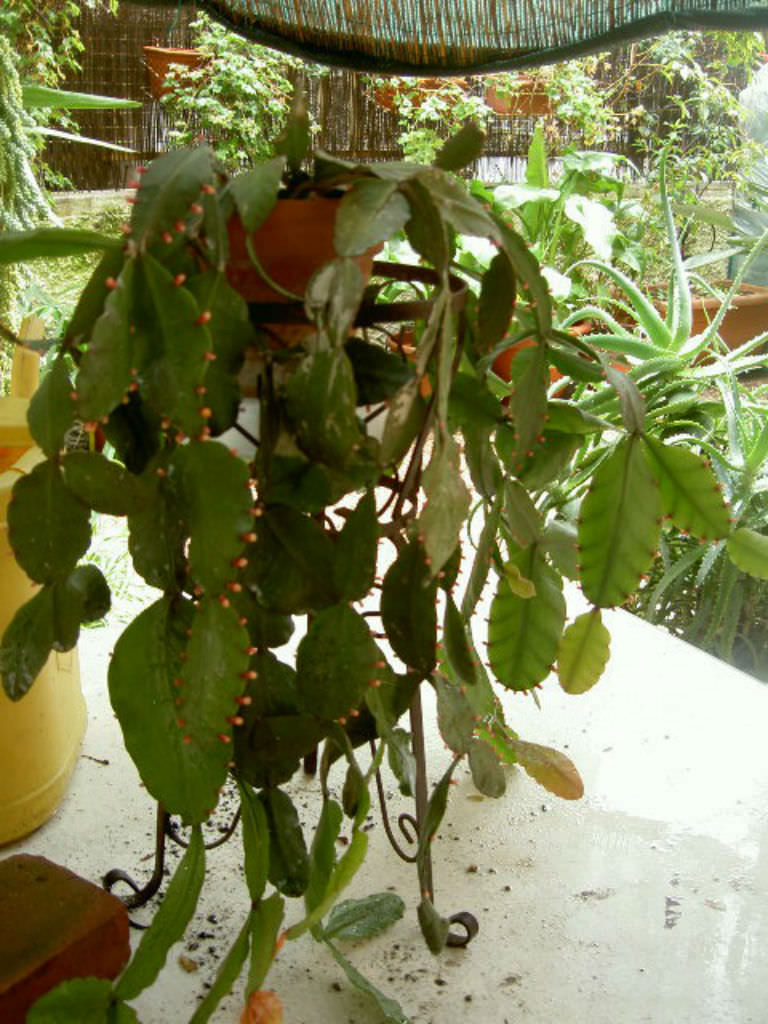
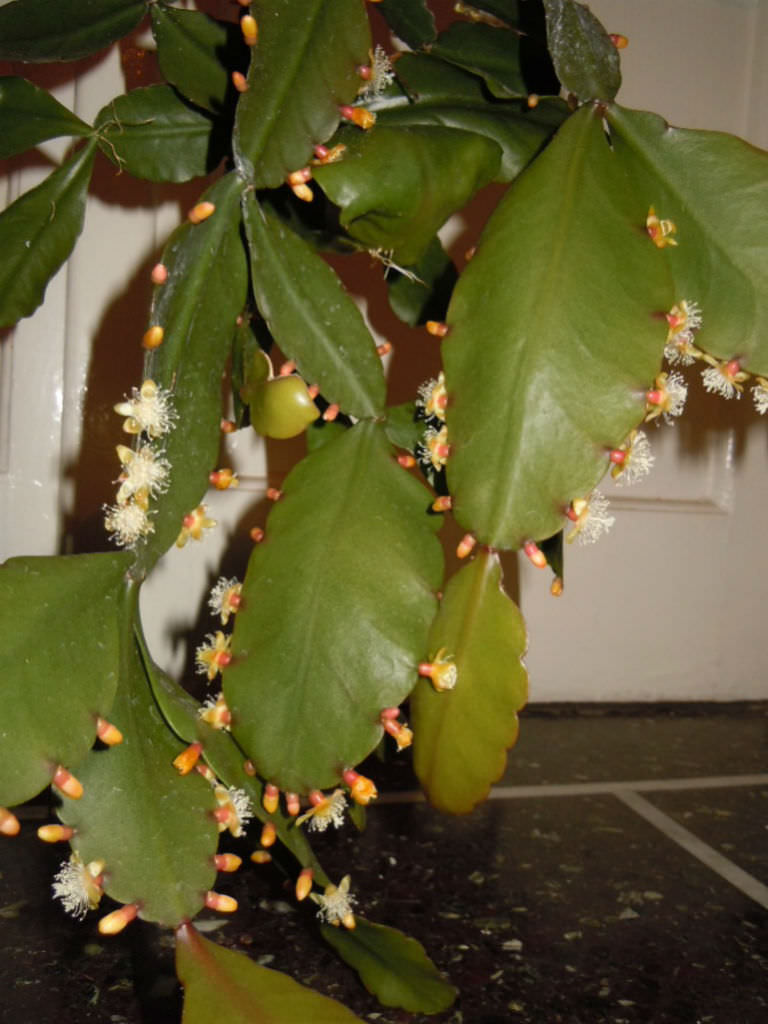
Rhipsalis rhombea is a shrubby cactus with cylindrical or angled main stems and usually flat and thin, but sometimes 3-angled branches that consist of oblong, strongly notched joints. The stems are initially erect, then hanging, and can grow up to 32 inches (80 cm) long. They are dark green or purple. The joints can reach up to 1.2 inches (3 cm) in width.
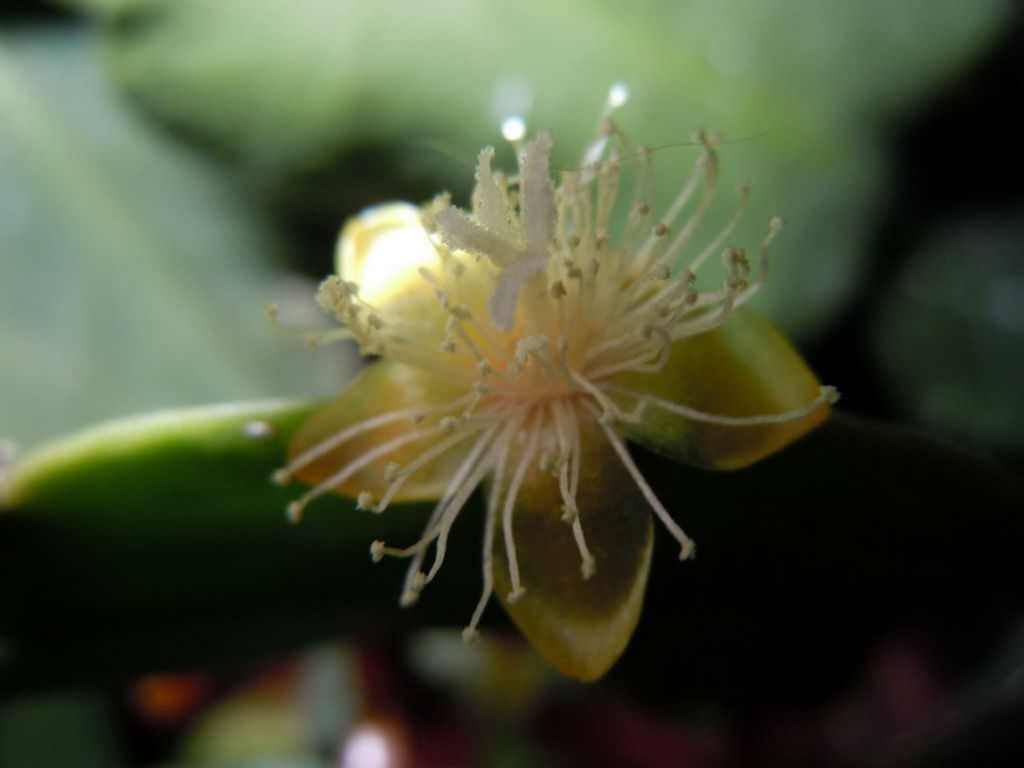
The flowers are small, light yellow, usually solitary, and appear at areoles in spring and summer.
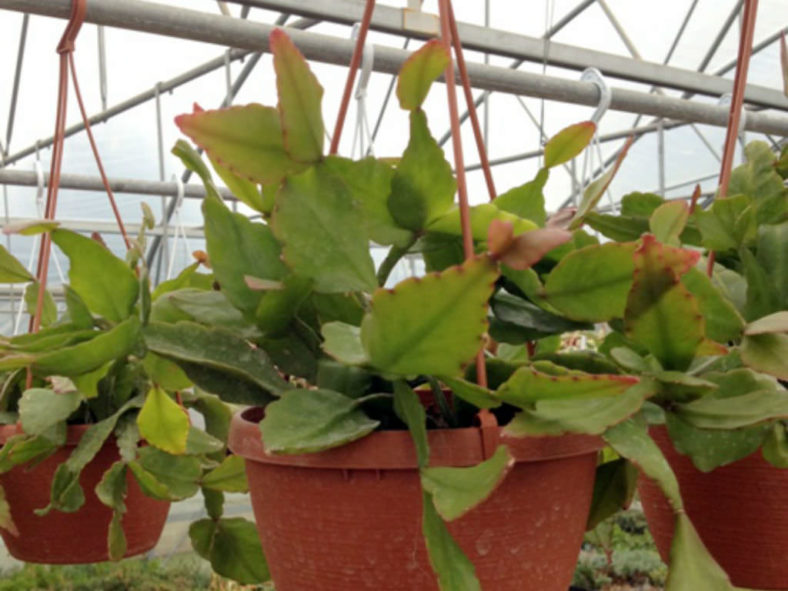
How to Grow and Care for Rhipsalis rhombea
Hardiness: USDA hardiness zones 10a to 11b: from 30°F (-1.1°C) to 50°F (10°C).
Rhipsalis do not thrive in direct sunlight. Exposure to the afternoon sun can burn the leaves, turn them yellow, or cause spotting. However, they will not bloom without sufficient sunlight, and their growth can be stunted. Therefore, these cacti do best with morning sun and afternoon shade.
As Rhipsalis is commonly grown indoors, care must be taken with plant placement. They should be kept at least 20 inches (50 cm) from windows that receive midday or afternoon sun. The glass in the windows can multiply the heat from the sun's rays, causing sunburned leaves. Keep in mind that in its native environment, Rhipsalis is accustomed to receiving light filtered through dense, overhanging tree branches. Picturing this environment can help you adjust your lighting accordingly.
Rhipsalis is not drought-resistant, so regular watering is essential. Overwatering, however, can cause weak stems and rotted roots. A watering can can help you measure how much water you are providing. The pot's size relative to the plant, the home's humidity levels, and the type of potting soil used can all affect watering frequency.
Learn more at How to Grow and Care for Rhipsalis.
Links
- Back to genus Rhipsalis
- Succupedia: Browse succulents by Scientific Name, Common Name, Genus, Family, USDA Hardiness Zone, Origin, or cacti by Genus
Photo Gallery
Click on a photo to see a larger version.