

Even if you love that great succulent look or drought has led you to these plants, you may already have had trouble growing them. The cause of death is usually overwatering, after which rot sets in, and the plants melt down into a gushy, rotten mess. The problem is knowing when they want water and when they do not.
To understand the "when to water" question, you must know how succulents differ from ordinary plants. Their key feature is specialized cells that retain moisture rather than drawing it daily from the soil. After watering, succulents absorb moisture until every cell is fully hydrated. Over time, they utilize this stored moisture, gradually reducing the hydrostatic pressure inside the plant's cells and tissues. The roots prefer dry, airy soil between waterings, which is why they are typically grown in porous potting soils.
Problems arise in wetter or more humid climates when soil does not dry out between waterings. They also occur when a pot's drain hole becomes blocked or is too small to begin with. Pots designed for succulents often have numerous holes for this reason.
To know when to water succulents, you must learn how to tell when the hydrostatic pressure is low.
Physical Touch
When your newly watered succulent is fully hydrated, it is in the "hard body" stage. Gently squeeze it to gauge how hard the individual plant becomes, and use this as a baseline for future comparisons. When internal moisture is depleted, the entire plant gradually softens as pressure drops. They actually yield to your touch. Watch for plants that soften only in parts, as this can indicate invisible rot spreading into healthy tissue.
Visual Change
When fully hydrated, every succulent plant will reach its full height and form, creating an attitude. However, many alter their overall attitude when internal pressure drops low enough. For example, a Pachypodium's long, thin stalk folds in half; once watered, it straightens as hydrostatic pressure returns. Others show slight skin wrinkles as internal tissue volume drops. Drooping leaves, sagging tips, or subtle leaning all signal low internal moisture.
Watering Method
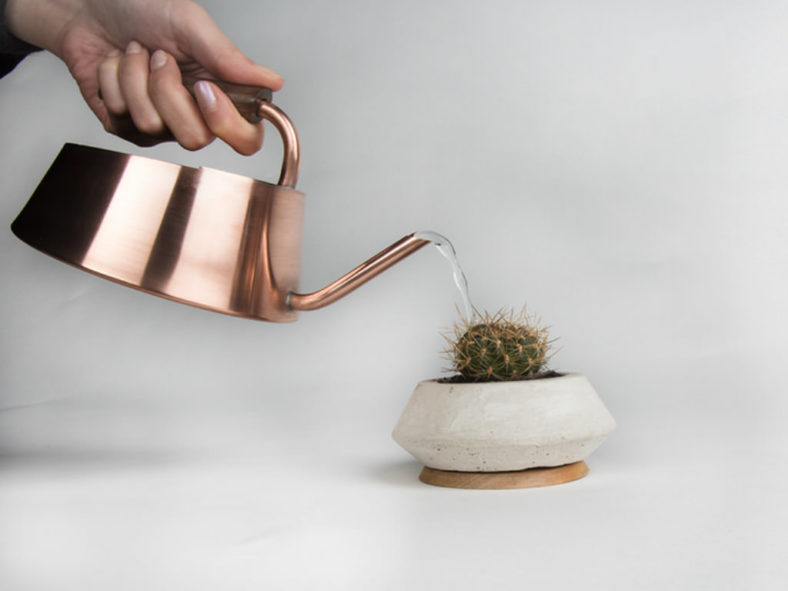
Many problems happen when you water succulents from the top down, like ordinary potted plants. Water travels down the edges of the soil mass and out the bottom, leaving too little behind for adequate uptake. Succulents often rot at the soil line because of this kind of watering. For easy-to-handle pots, set them in a pan of water so the soil can wick up water through the drain hole. When the moisture wicks up to the soil surface, remove the pot from the water and let it drain. This method ensures that the entire soil mass is thoroughly moistened, not just the edges.
Remember that most succulents originate in habitats with occasional heavy rain events followed by extended periods of drought. Fortunately, they speak to us in the silent language of touch and appearance, clearly telling us when they are dry enough for a drink.
Source: kansas.com
Links
- Succupedia: Browse succulents by Scientific Name, Common Name, Genus, Family, USDA Hardiness Zone, Origin, or cacti by Genus