

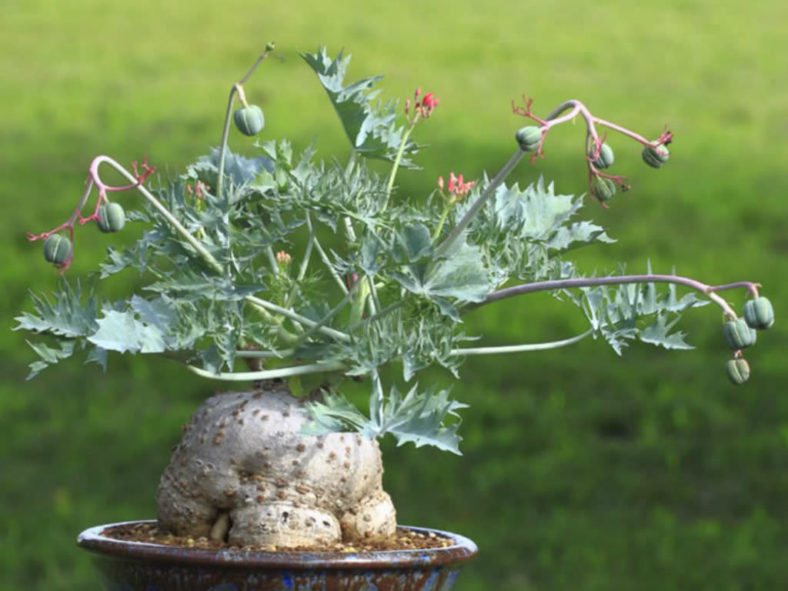
Jatropha is a genus that includes a very wide variety of plants native to the warmer regions of the world. They range from tropical to semi-arid subtropical plants that resemble succulents in their growth patterns. Depending on where you live, you might see different types of Jatropha. One of the most popular in the United States nursery trade is Jatropha integerrima, grown for its sprays of shocking, beautiful red flowers.
Like many species in the Euphorbiaceae family, these plants are toxic and should not be kept in areas where curious children or pets might sample them. However, if you have the right location and safety is not a concern, these are wonderful plants for their ease of cultivation and beauty.
Growing Conditions
Light: It somewhat depends on the species, so ask your garden center staff. Many Jatropha species prefer bright and sunny conditions, while others thrive in partial shade.
Water: Water regularly during the growing season and reduce watering in winter. Immaculate drainage is important, and some species are very drought-tolerant.
Soil: A rich, typical potting mix will do fine. Provide lots of coarse drainage material and get into the habit of watering daily.
Fertilizer: Feed with a weak liquid fertilizer throughout the growing season.
Propagation
You can propagate Jatropha from seeds (if you are lucky enough to get them) or from stem cuttings. To take stem cuttings, remove a small piece of stem, dip it in a rooting hormone, and then plant it in a small pot filled with seedling starter soil. Place the pot in a warm, bright place and wait for new growth to emerge.
Repotting
Annually, at the beginning of the growing season. Many species are naturally small shrubs that grow up to 15 feet (4.5 m) tall. To keep your indoor container plant manageable, trim it to size and, if needed, root-prune older plants. Refresh large plants occasionally by removing the top several inches of potting soil and replacing it with fresh soil.
Grower's Tips
The key to growing successful Jatropha is balancing moisture and drainage. They typically appreciate a steady water supply, but the most popular species cannot tolerate being submerged or soaked and will quickly succumb to root rot. Many popular species make excellent small trees for a conservatory or sunny corner. Keep them well pruned so they don't outgrow their space too soon. Jatropha is vulnerable to pests, including aphids, mealybugs, scales, and whiteflies. Identify the infestation as early as possible and treat it with the least toxic option.
Links
- Back to genus Jatropha
- Succupedia: Browse succulents by Scientific Name, Common Name, Genus, Family, USDA Hardiness Zone, Origin, or cacti by Genus