

Bruce Bayer initially named this plant Haworthia mirabilis 'pilosa', and he refused to describe it as a new species. In their new taxonomy, Masahiko Hayashi and Ingo Breuer named it Haworthia bobii, which is also sometimes labeled as Haworthia mirabilis 'bobii'. However, it is not currently recognized as a separate species and is considered a synonym of Haworthia mirabilis var. mirabilis.
Taxonomy of Haworthia bobii
Scientific Name
Haworthia bobii M.Hayashi
Scientific Classification
Family: Asphodelaceae
Subfamily: Asphodeloideae
Tribe: Aloeae
Genus: Haworthia
Etymology
The specific epithet "bobii" (pronounced "BOB-ee-eye") honors Bob (Robert) Kent (1937-2014), a Haworthia enthusiast and excellent grower from Poway, California, United States.
Origin of Haworthia bobii
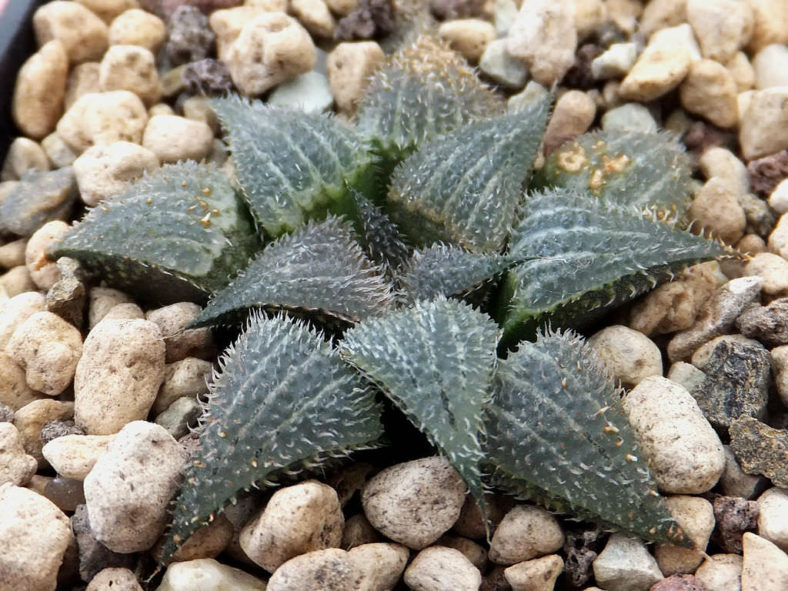
Haworthia bobii is native to South Africa. It is known only from one farm west of Infanta in the Western Cape, where it occurs in a few spots. It grows here on a grassy low hill overlooking the Breede River.
Description of Haworthia bobii
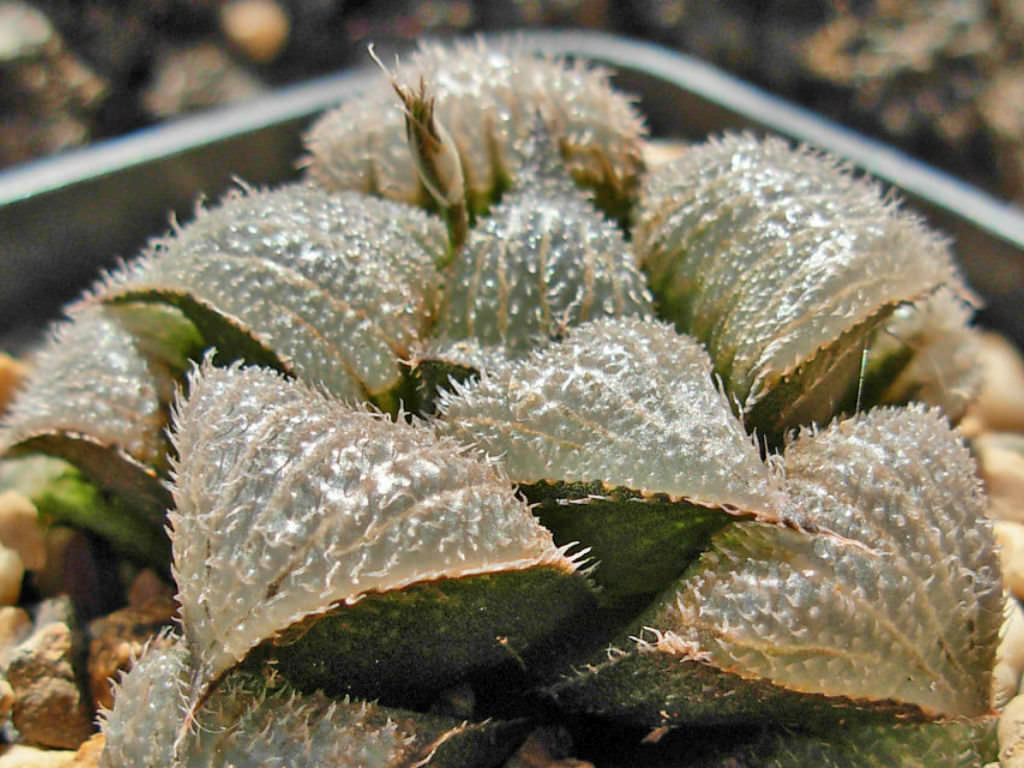
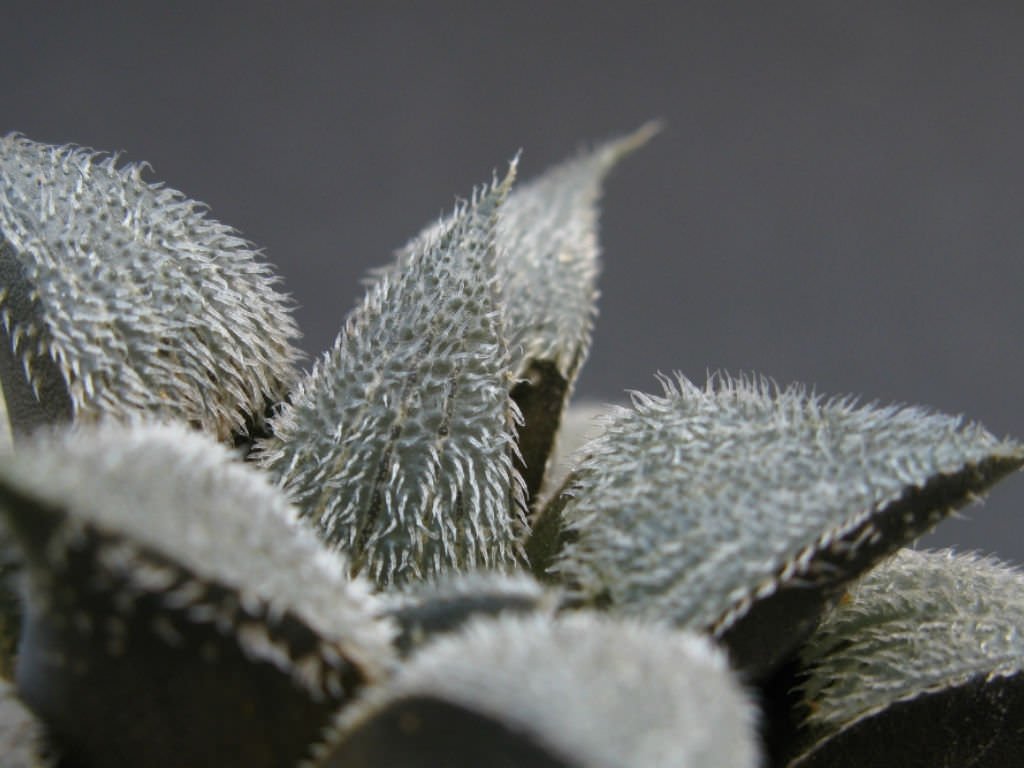
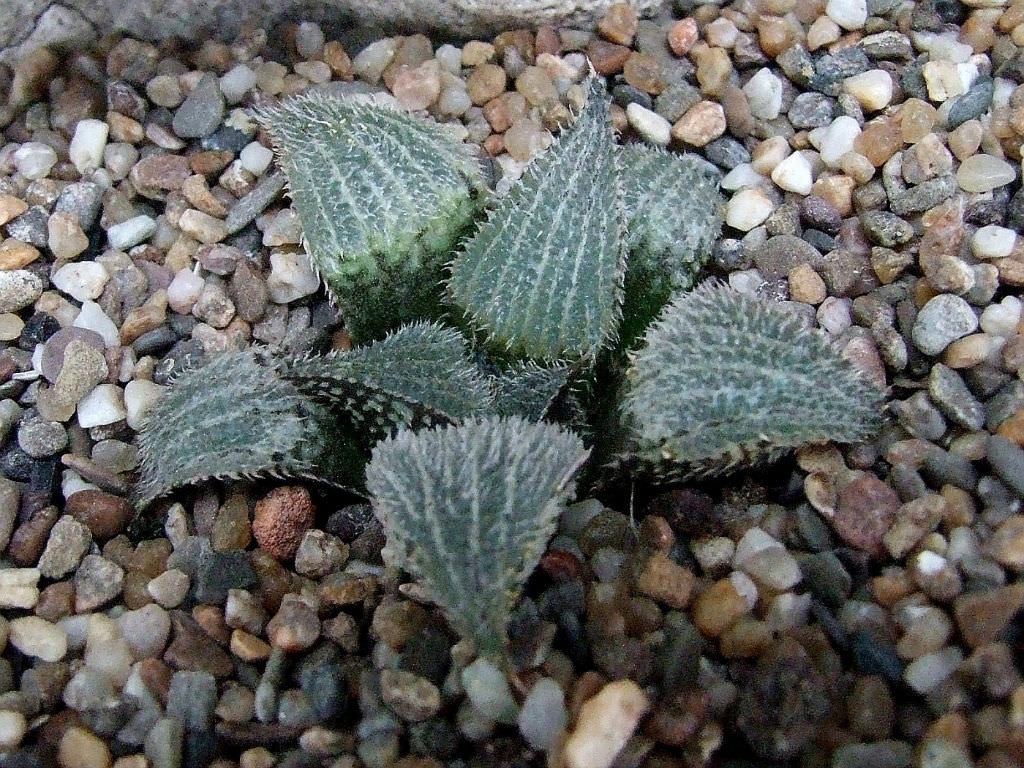
Haworthia bobii, also known as Haworthia mirabilis 'bobii' or Haworthia mirabilis 'pilosa', is an attractive small succulent with short hairs on the upper surface of the leaves, which is a quite unique feature in the "mirabilis" group of Haworthias. This plant is one of the most attractive species amongst the "mirabilis" group. The rosette remains solitary and has only 4 to 6 leaves in nature. They can reach a diameter of 1.6 inches (4 cm). In the native habitat, the rosettes grow almost completely buried in the ground.
Mainly from spring to early summer, Haworthia bobii produces narrow, white flowers with greenish-brown keels on slender stalks that can reach up to 18 inches (45 cm) long.
How to Grow and Care for Haworthia bobii
Hardiness: USDA hardiness zone 10a to 11b: from 30°F (-1.1°C) to 50°F (10°C).
Haworthias are not considered difficult to grow as houseplants. If you can keep a pot of Aloe alive on a windowsill, chances are you can do the same with a dish of Haworthia. As with all succulents, the most dangerous situation is overwatering. They should never be allowed to sit in water under any circumstances. At the same time, these little decorative plants can be grown in interesting containers such as teacups and even miniature baby shoes. If you're given a Haworthia in such a container, make sure the container has adequate drainage. If it doesn't, it might be a good idea to remove the plant from its container and add a layer of gravel at the bottom to reduce the wicking action of the soil above. Finally, look out for sunburned spots on your plants.
Haworthias are small, usually 3 to 5 inches (7.5 to 12.5 cm) tall, and relatively slow-growing. Therefore, they are often grown in small clusters in wide, shallow dishes. Over time, clusters will naturally enlarge as the mother plant sends off small plantlets.
See more at How to Grow and Care for Haworthia.
Photo Gallery
Click on a photo to see a larger version.
Internal Links
- Explore all plants within the genus Haworthia.
- Explore all plants within the family Asphodelaceae.