

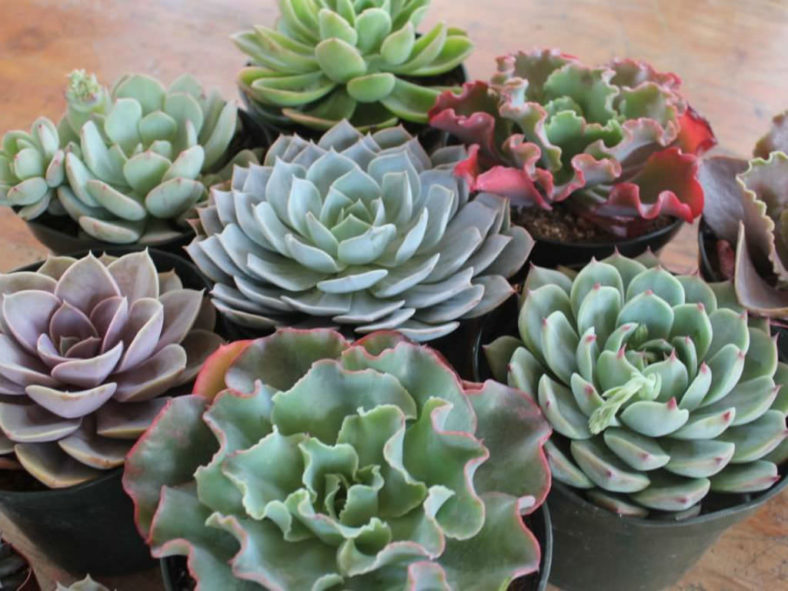
A mature Echeveria with waxy leaves resembling a rose is a beautiful sight to behold. Although they originate from Mexico and Central America, these drought-tolerant plants can be grown from seeds in many parts of the world. Both advanced and beginner gardening enthusiasts can grow their Echeveria plants from seed using the process outlined below.
Preparing Seeds for Planting
Ensure that you use fresh seeds. Old seeds rarely germinate and often fail to grow well. Once you have sourced suitable seeds, mix them with approximately twice the volume of fine sand and stir the mixture gently with a toothpick. Echeveria seeds are tiny and black, so the mixture resembles a fine, multicolored powder.
Planting Seeds
Successful Echeveria plants require pots with an average diameter of 4 inches (10 cm). These pots should be filled with a well-draining, soil-free potting mix. Purchase this potting mix from an online or brick-and-mortar retailer, or make your own. Each pot requires firm tapping against a bench or table to settle the potting mix. Next, gather a pinch of the sand-and-seed mixture between your finger and thumb and carefully sprinkle it over the soil so each pot has a sparse covering.
Germinating Seeds
Place your pots with the Echeveria seeds in a tray filled with water to encourage germination. This setup allows the soil in each pot to absorb water from the bottom. The tray is placed in a location with bright but indirect light at around 65°F (18°C). It is important to maintain the correct temperature, as Echeveria seeds do not germinate above 70°F (21°C). The pots can be covered with plastic wrap to keep the surrounding air humid. Keep the potting mix moist.
How to Spot Signs of Germination
Around three weeks after the seeds are planted, tiny leaves should start to appear. Once this happens, remove the plastic covering to give the tiny seedlings access to fresh air. They must watch out for fungal infections, which are common in Echeveria seedlings during the first two months of growth. If any fungus is visible, you should treat all the pots with fungicide.
How to Care
When the Echeveria seedlings have grown to fill their pots, they must be moved into larger containers. A pot slightly larger than each plant's root ball is ideal, since a large potting mix can retain too much moisture and risk rotting in the ground. Adult Echeveria plants require less water than seedlings, and they are watered only when their potting mix feels dry to the touch. Echeverias also require little fertilizer. A dose of dilute liquid fertilizer at the beginning of spring is enough to fuel their growth. As Echeveria is related to cacti, it grows well with specialist cactus fertilizer or a general-purpose fertilizer with low nitrogen content. Although these plants can thrive outdoors during the summer, they do not like cold temperatures. Therefore, if you live in an area that experiences frost, you should bring these plants indoors during winter.
Conclusion
Growing Echeveria from seed is a rewarding activity. As long as the seeds are fresh and the conditions are right, you will soon see fresh green leaves, whereas there were only a few Echeveria seeds once.
Source: ebay.com
Links
- Back to genus Echeveria
- Succupedia: Browse succulents by Scientific Name, Common Name, Genus, Family, USDA Hardiness Zone, Origin, or cacti by Genus