

Based on studies, the commonly cultivated Euphorbia platyclada (described by Werner Rauh in 1970) is now considered the same species as the older Euphorbia bosseri (described by Jacques Désiré Leandri in 1965). While Euphorbia platyclada is now a synonym for Euphorbia bosseri, the former variety Euphorbia platyclada var. hardyi has been elevated to species status as Euphorbia hardyi.
Taxonomy of Euphorbia bosseri
Scientific Name
Euphorbia bosseri Leandri
Synonym(s)
Euphorbia platyclada, Tirucalia platyclada
Common Name(s)
Dead Plant, Dead Stick Plant, Dead Wood Plant
Scientific Classification
Family: Euphorbiaceae
Subfamily: Euphorbioideae
Tribe: Euphorbieae
Subtribe: Euphorbiinae
Genus: Euphorbia
Etymology
The specific epithet "bosseri" (pronounced "BOS-ser-ee") honors Jean Marie Bosser🡕 (1922-2013), sometimes listed as Jean-Michel Bosser, a French botanist and agricultural engineer who worked extensively in Madagascar and Mauritius.
Origin of Euphorbia bosseri
Euphorbia bosseri is endemic to Madagascar. It occurs in subtropical or tropical dry forests.
Description of Euphorbia bosseri
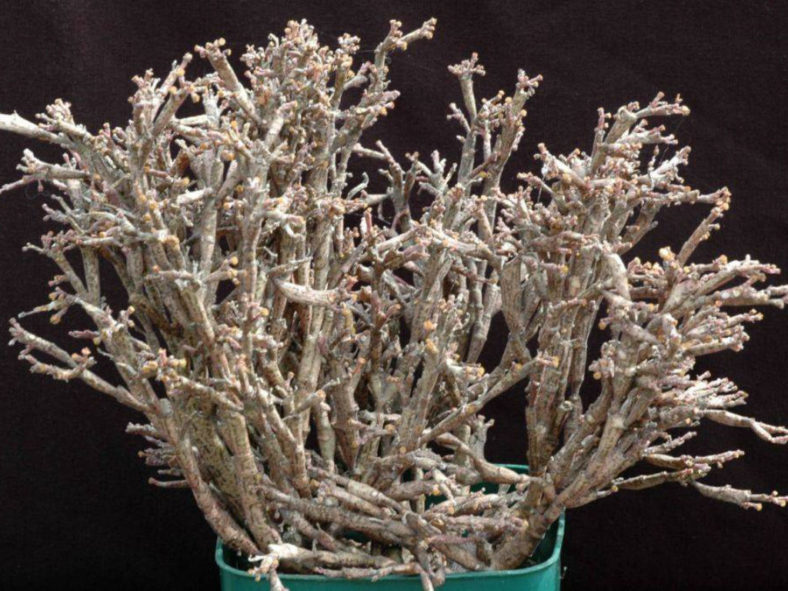
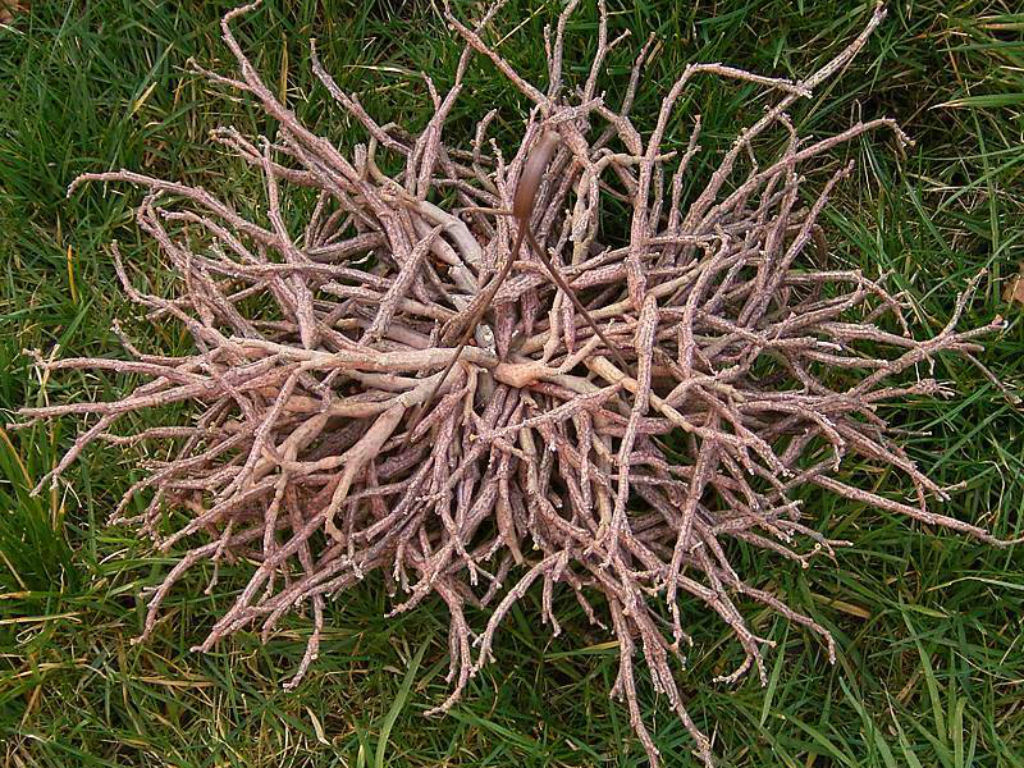
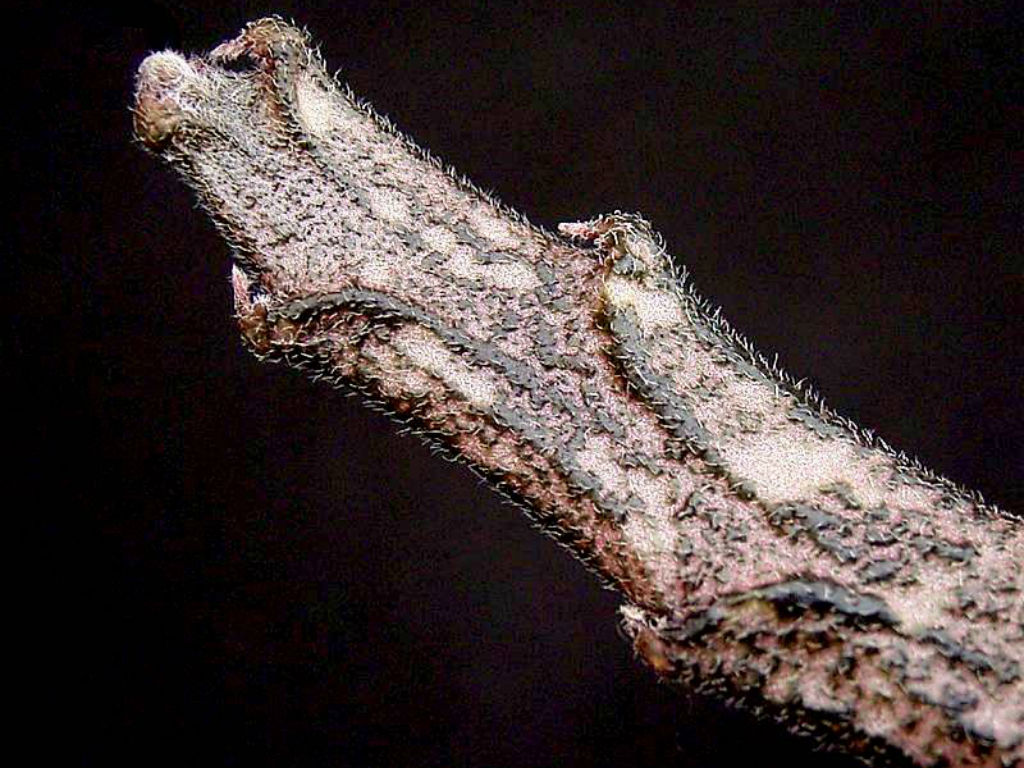
Euphorbia bosseri, also known as Euphorbia platyclada, is an odd succulent subshrub with a small rootstock and leafless, somewhat flattened stems with an irregular scab-like texture. It can grow up to 20 inches (50 cm) tall and looks like a dead plant, hence the common name. There are two forms, erect and prostrate. The freely-branching stems are waxy, usually pinkish or red-brown, with dark grey-green mottling.
The flowers are small, orange or brownish, and usually appear at the end of the summer. The fruits are capsules that disperse their seeds by capsule explosion.
How to Grow and Care for Euphorbia bosseri
Hardiness: USDA hardiness zone 9a to 11b: from 20°F (-6.7°C) to 50°F (10°C).
Euphorbias are very easy to care for. They require a little pampering to become established, but once they are, they are self-sufficient. In fact, more die from overwatering than from neglect.
Euphorbias need well-draining soil and lots of sunlight. They are not particular about soil pH, but cannot tolerate wet soil. Unlike most succulents, Euphorbia does not handle long periods of drought well. It may need weekly watering during the summer. Water whenever the soil is dry several inches below the surface. Water deeply, but don't let them sit in wet soil, which can cause root rot. Add some organic matter or fertilizer to the planting hole. If you are growing them in containers or your soil is poor, feed them with a half-strength fertilizer monthly.
Euphorbia can be grown from seed, but it can be difficult to germinate or even find seeds. It is usually propagated by cuttings. This can be tricky because of the exuding sap. Rooting hormone is recommended with Euphorbia.
See more at How to Grow and Care for Euphorbia.
Photo Gallery
Click on a photo to see a larger version.

Internal Links
- Explore all plants within the genus Euphorbia.
- Explore all plants within the family Euphorbiaceae.