Scientific Name
Echeveria cuspidata Rose
Synonym(s)
Echeveria parrasensis
Scientific Classification
Family: Crassulaceae
Subfamily: Sempervivoideae
Tribe: Sedeae
Genus: Echeveria
Etymology
The specific epithet "cuspidata" (pronounced "kus-pi-DAY-tuh") means "having a cusp, tip, or point; cusped, pointed" and refers to the leaf tips of this species.
Origin
Echeveria cuspidata is native to Mexico.
Description
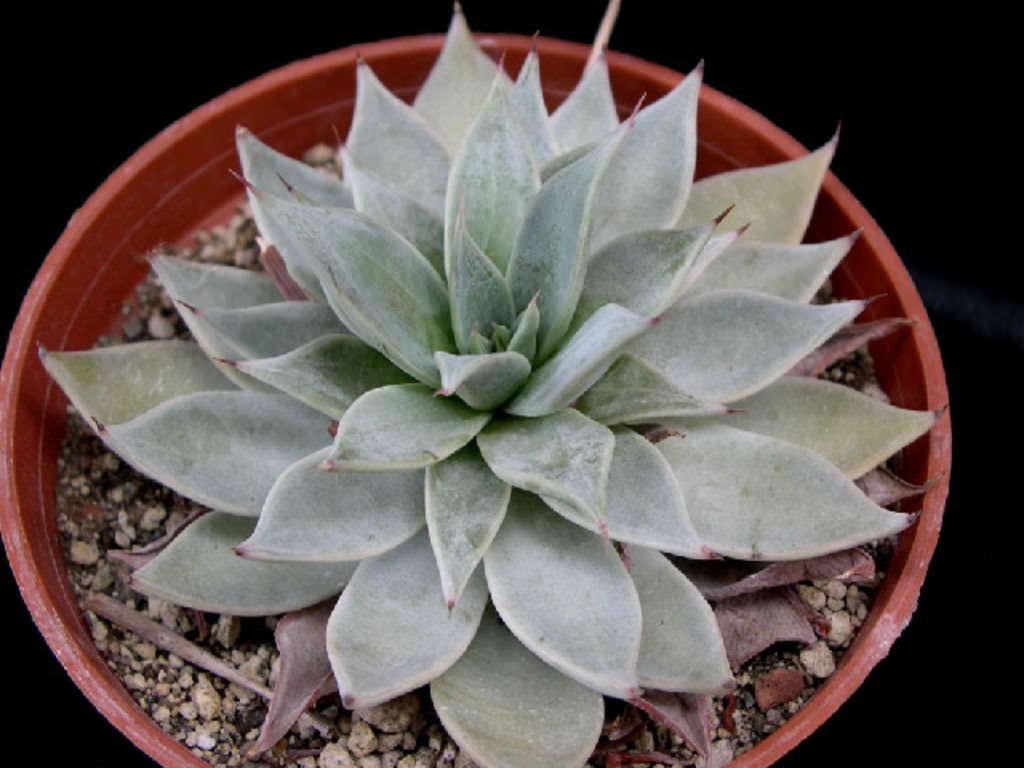
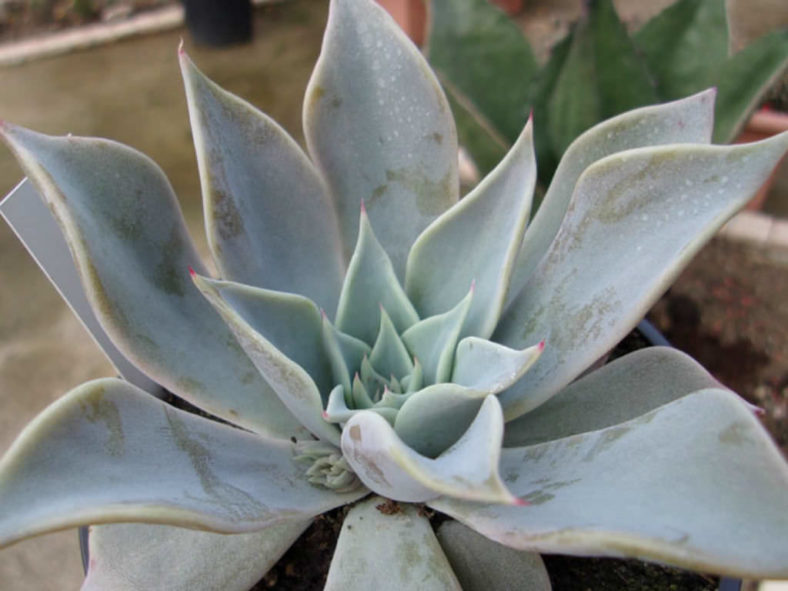
Echeveria cuspidata is a succulent plant with thick, green or gray-green leaves with red tips, which overlap in rosettes that often resemble artichokes. The leaves are at their brightest from fall to spring. They can measure up to 4 inches (10 cm) long.
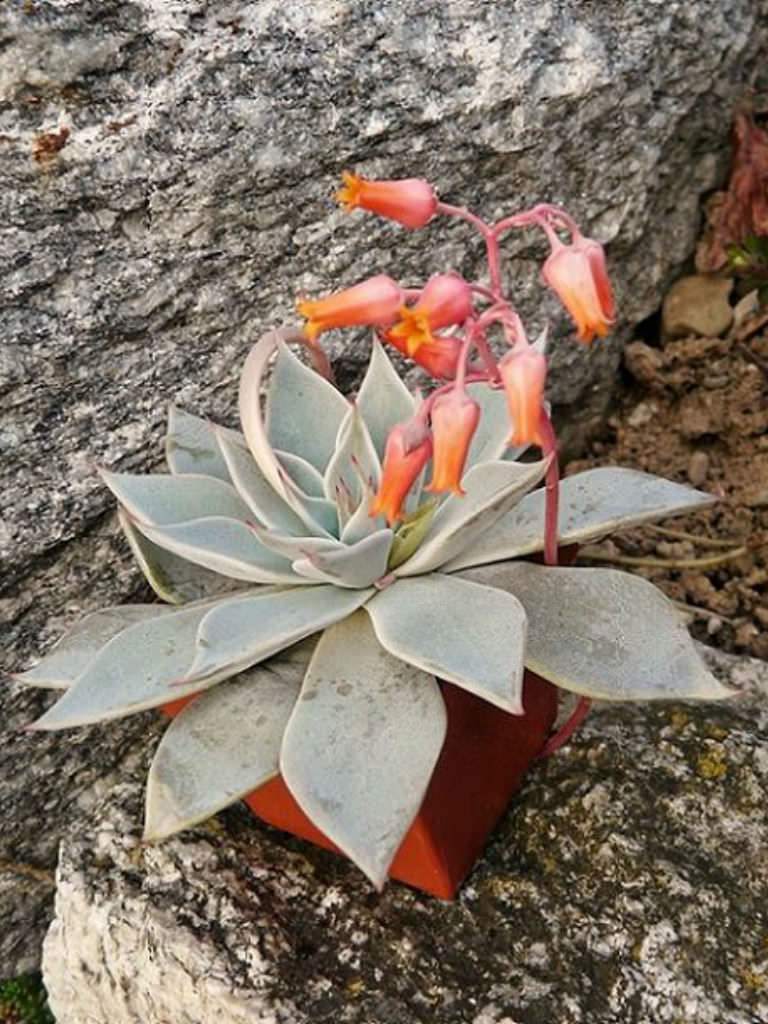
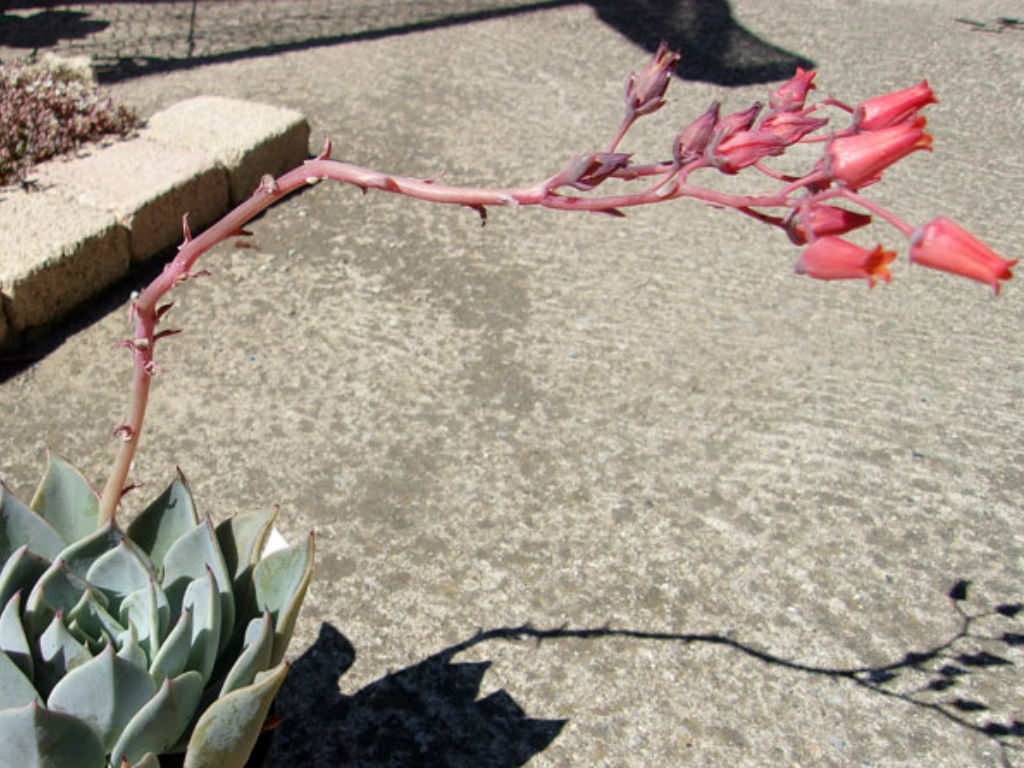
The long-lasting flowers are pink on the outside and orange on the inside, appearing in late winter and early spring.
Varieties of Echeveria cuspidata
- Echeveria cuspidata var. cuspidata
- Echeveria cuspidata var. gemmula (This variety was reduced to a synonym of Echeveria cuspidata var. zaragozae published in Crassulacea No. 5 on September 29, 2017, by the International Crassulaceae Network.)
- Echeveria cuspidata var. zaragozae
How to Grow and Care for Echeveria cuspidata
Soil: Echeverias need a potting soil mix that drains quickly. Many growers create their own mix, but commercial cactus and succulent potting soil will work fine.
Light: These succulents prefer full sun to partial shade. However, avoid drastic changes in sunlight and full afternoon sun, especially in summer. During the winter, when your succulents are inside, put them near the brightest window in your home.
Hardiness: Echeveria cuspidata tolerates temperatures from 25°F to 50°F (-3.9°C to 10°C) and is hardy in USDA Plant Hardiness Zones 9b to 11b.
Watering: When and how to water is crucial to Echeveria care. They do not like to be kept too wet, but they also do not like to be kept too dry. The "soak and dry" method is the preferred schedule for watering Echeverias.
Fertilizing: Echeverias grow well without fertilizer, but may benefit from the extra nutrients.
Repotting: Repot when needed in the spring or early summer.
Propagation: Echeverias are one of the easiest succulents to propagate. They are usually propagated from offsets or leaves, but can also be grown from stem cuttings and seeds.
Toxicity: Echeveria 'Swan Lake' has no reported toxic effects. It is safe around pets and humans.
Learn more at How to Grow and Care for Echeveria.
Links
- Back to genus Echeveria
- Succupedia: Browse succulents by Scientific Name, Common Name, Genus, Family, USDA Hardiness Zone, Origin, or cacti by Genus
Photo Gallery
Click on a photo to see a larger version.