Scientific Name
Aloiampelos striatula (Haw.) Klopper & Gideon F.Sm.
Synonym(s)
Aloe striatula
Common Name(s)
Coral Aloe, Hardy Aloe, Striped-stemmed Aloe
Scientific Classification
Family: Asphodelaceae
Subfamily: Asphodeloideae
Genus: Aloiampelos
Etymology
The specific epithet "striatula" (pronounced "stree-AT-yew-luh") means "finely striated; having small or faint linear markings" and refers to the fine, dark green longitudinal lines on the stems of this species.
Origin
Aloiampelos striatula is native to South Africa. It mainly grows in the mountains of the Western Cape and Eastern Cape provinces.
Description
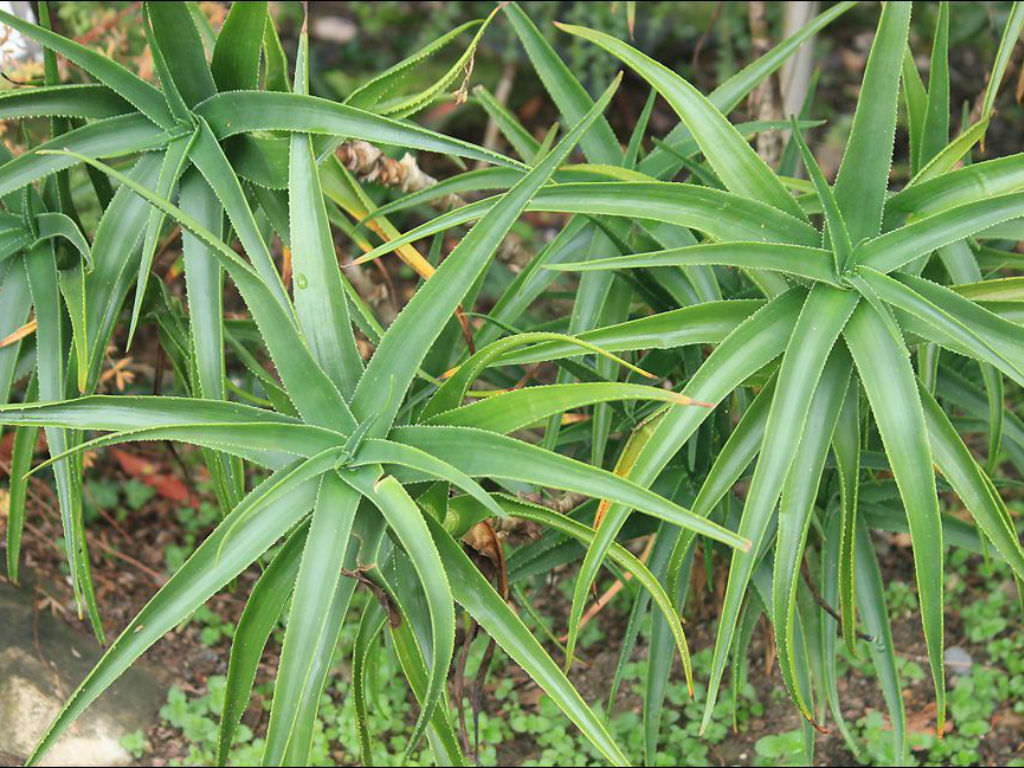
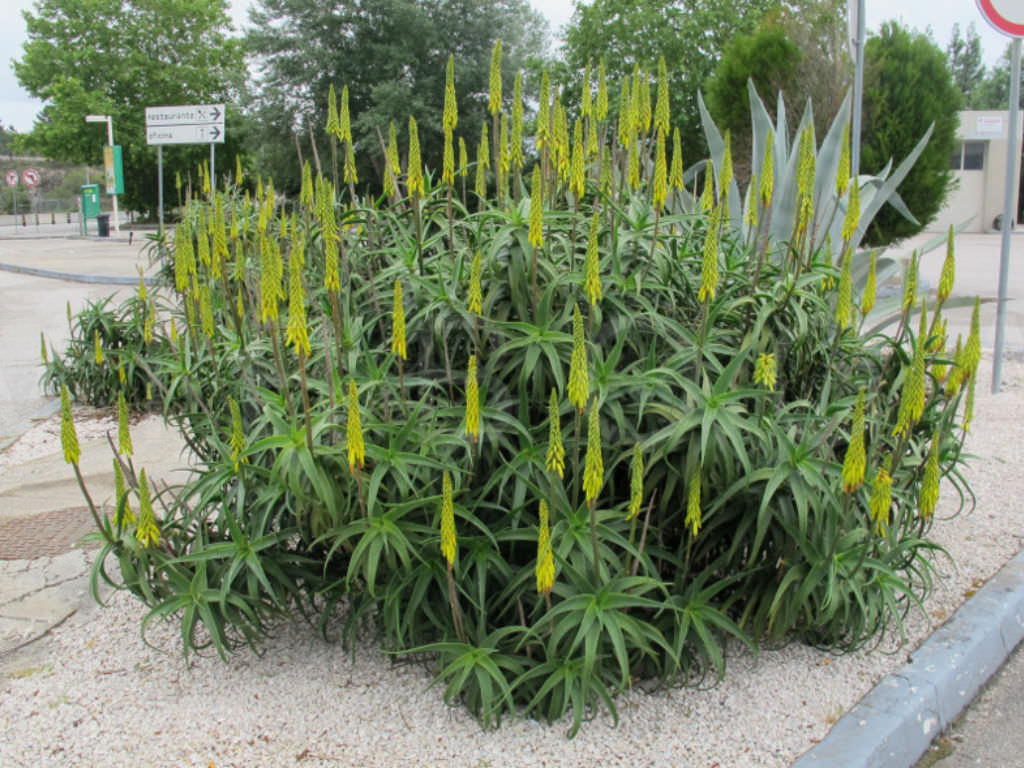
Aloiampelos striatula, formerly known as Aloe striatula, is a robust, rambling succulent with long, slender stems and dark green, strongly recurved, widely spaced leaves with numerous small, white teeth along the margins. It can reach a height of 6.7 feet (2 m) and, over time, form a large shrub.
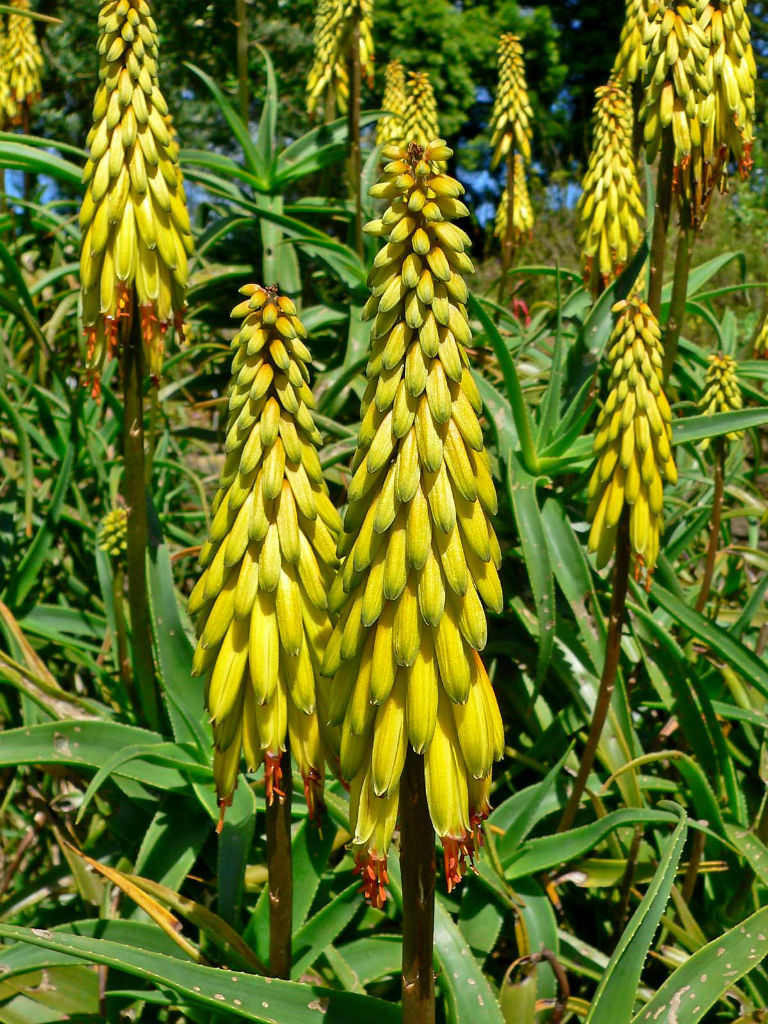
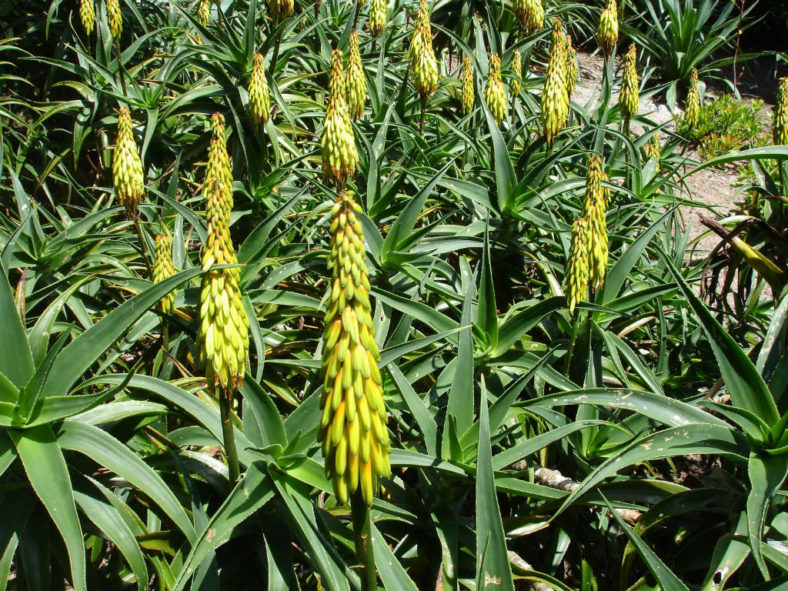
The flowers are usually tubular and range from yellow to orange or red. They appear throughout the summer in densely flowered racemes on unbranched stalks that can grow up to 16 inches (40 cm) tall.
This species is similar to Aloiampelos commixta but is easily distinguished by the dark green stripes on its stems and leaf sheaths and by its thin, recurved leaves.
Varieties of Aloiampelos striatula
- Aloiampelos striatula var. caesia
- Aloiampelos striatula var. striatula
How to Grow and Care for Aloiampelos striatula
Hardiness: USDA hardiness zone 8b to 11b: from 15°F (-9.4°C) to 50°F (10°C).
Due to their hardiness and the wide range of flower colors, these slender succulents have become popular ornamental plants in South African gardens. The commoner species (such as the more widespread Aloes of the Eastern Cape) are also increasingly grown in gardens overseas.
Climbing Aloes require a sunny, well-drained position and are particularly suitable for rockeries. The taller, climbing species are commonly planted along fences and boundaries, growing through the surrounding foliage. However, the lower, rambling species are better suited for rockeries, slopes, or terraces, where they will naturally cascade.
They can easily be propagated by cuttings and by seed. Climbing Aloes generally have both male and female flowers on each plant, but an individual plant is usually not self-fertile by itself. However, some species are also inter-fertile and can thus form hybrids.
See more at How to Grow and Care for Climbing Aloes.
Links
- Back to genus Aloiampelos
- Succupedia: Browse succulents by Scientific Name, Common Name, Genus, Family, USDA Hardiness Zone, Origin, or cacti by Genus
Photo Gallery
Click on a photo to see a larger version.