Scientific Name
Tephrocactus bonnieae (D.J.Ferguson & R.Kiesling) Stuppy
Synonym(s)
Maihueniopsis bonnieae, Opuntia bonnieae, Puna bonnieae
Scientific Classification
Family: Cactaceae
Subfamily: Opuntioideae
Tribe: Tephrocacteae
Genus: Tephrocactus
Etymology
The specific epithet "bonnieae" (pronounced "BON-ee-eye") honors Bonnie Brunkow, who discovered this species in the Province of Catamarca during an expedition in Argentina in 1990.
Origin
Tephrocactus bonnieae is native to Argentina.
Description
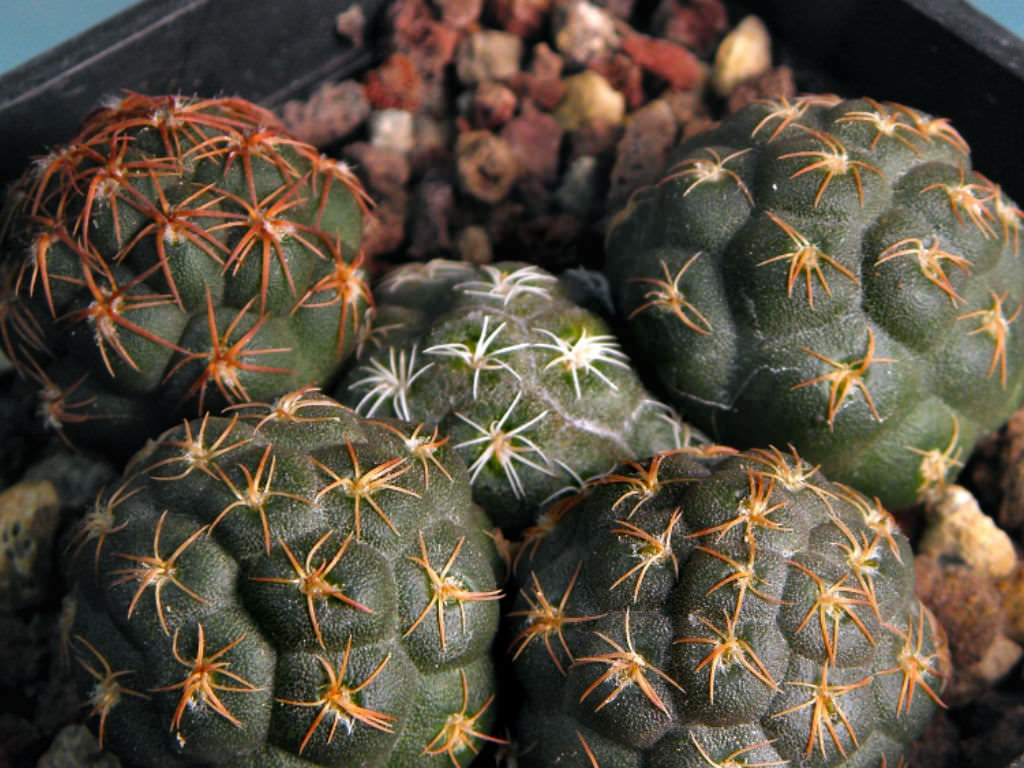
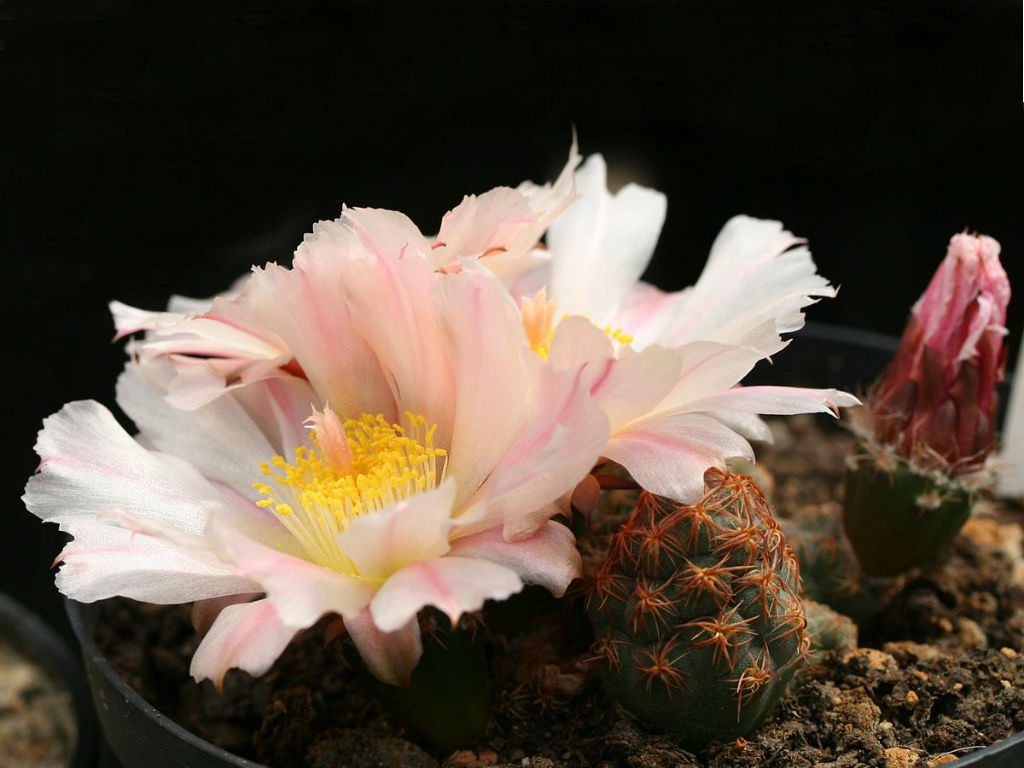
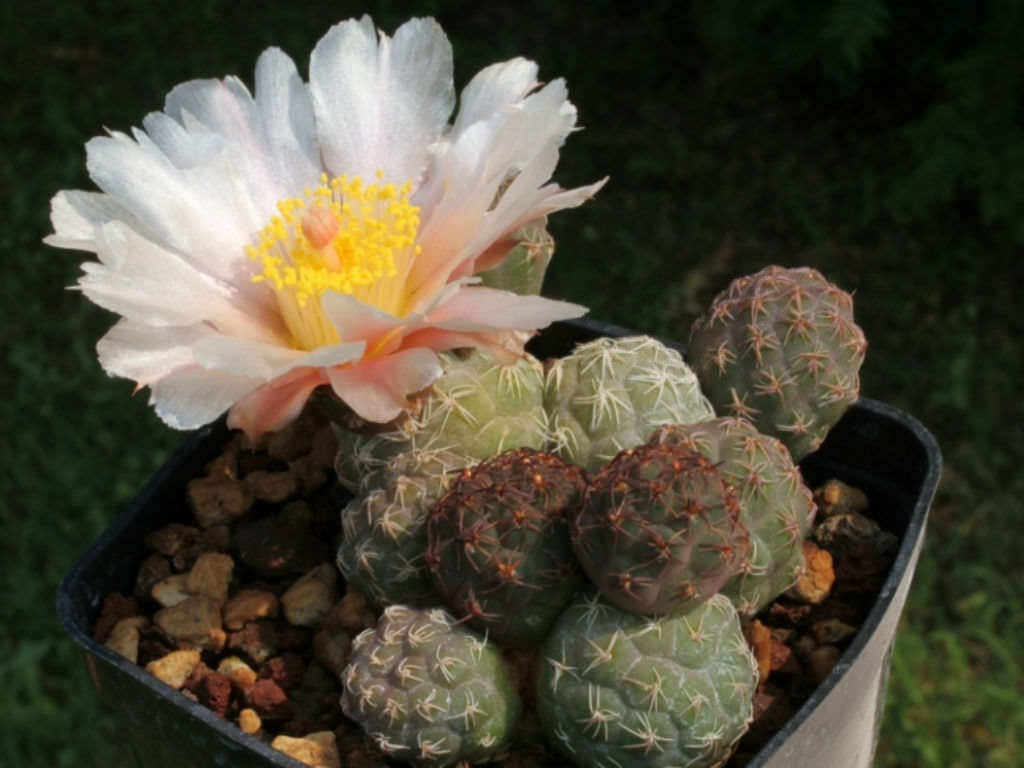
Tephrocactus bonnieae, formerly known as Maihueniopsis bonnieae or Puna bonnieae, is a small geophytic cactus that resembles Tephrocactus geometricus, but the flowers, fruits, and seeds clearly show its distinct nature. It slowly forms a small cushion that can reach a diameter of 6 inches (15 cm). During the dry season, the stems are hidden in the ground. They are usually spherical, dull blue-green, but turn to dirty grey as they age, and can grow up to 1 inch (2.5 cm) in diameter. The stems are basally attached and do not detach easily from the mother plants. The spines are very short, pinkish, orangish, reddish, and darker brown on the young stems, turning whitish-grey as they age.
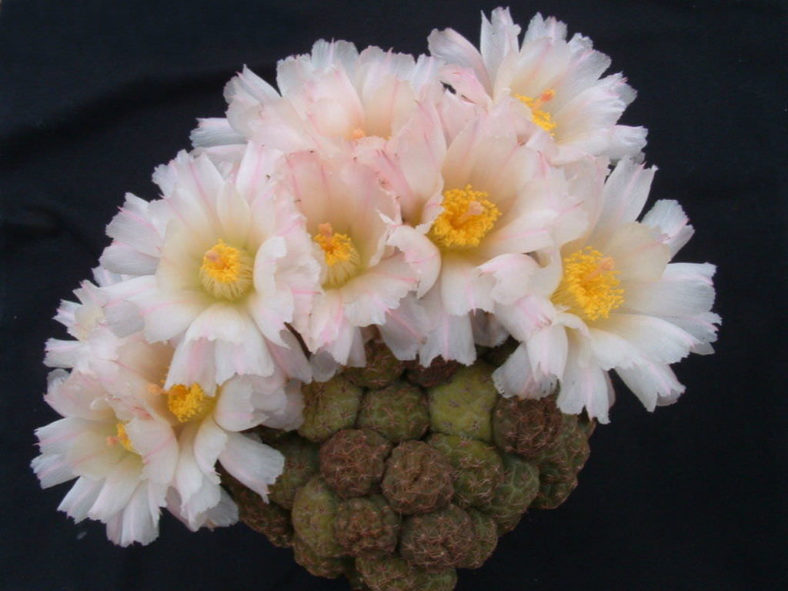
The flowers are pale pink or pinkish and can reach a diameter of 1.6 inches (4 cm).
How to Grow and Care for Tephrocactus bonnieae
Hardiness: USDA hardiness zones 10a to 11b: from 30°F (-1.1°C) to 50°F (10°C).
Though the large variety of species within the Opuntia genus means different Prickly Pears may need slightly different care. All are desert cacti that require lots of sun, light, and very little water. So, if you live in a hot, arid area, these plants can generally be planted outside, left alone, and enjoyed.
These cacti will grow just fine in a garden, but they can also be grown in pots. To repot, ensure the soil is dry, remove the pot, and knock away the old soil. After treating any cuts with fungicide, place the cactus in a new pot and backfill it with potting soil. As with a new cutting, make sure not to water a newly repotted Prickly Pear for a brief period to avoid rotting its roots.
Opuntia can propagate either by cuttings or by seed. To propagate by cuttings, sever pads from a plant and let them dry so that the wounds heal. Then place the plants in dry soil and refrain from watering them until they begin to grow, to avoid rot.
See more at How to Grow and Care for Opuntia.
Links
- Back to genus Tephrocactus
- Succupedia: Browse succulents by Scientific Name, Common Name, Genus, Family, USDA Hardiness Zone, Origin, or cacti by Genus
Photo Gallery
Click on a photo to see a larger version.