Scientific Name
Sedum hirsutum All.
Synonym(s)
Leucosedum hirsutum, Oreosedum hirsutum, Rosularia hirsuta
Common Name(s)
Hairy Stonecrop
Scientific Classification
Family: Crassulaceae
Subfamily: Sempervivoideae
Tribe: Sedeae
Genus: Sedum
Etymology
The generic name "Sedum" (pronounced "SEE-dum") means "sitting" or "low-growing" and refers to the low-growing habit of the plants of this genus, which appear to "sit" and spread over rocks, slopes, and ground surfaces.
The specific epithet "hirsutum" (pronounced "her-SOO-tum") means "hirsute; shaggy, bristly, or hairy" and refers to the plant's hairy foliage.
Description
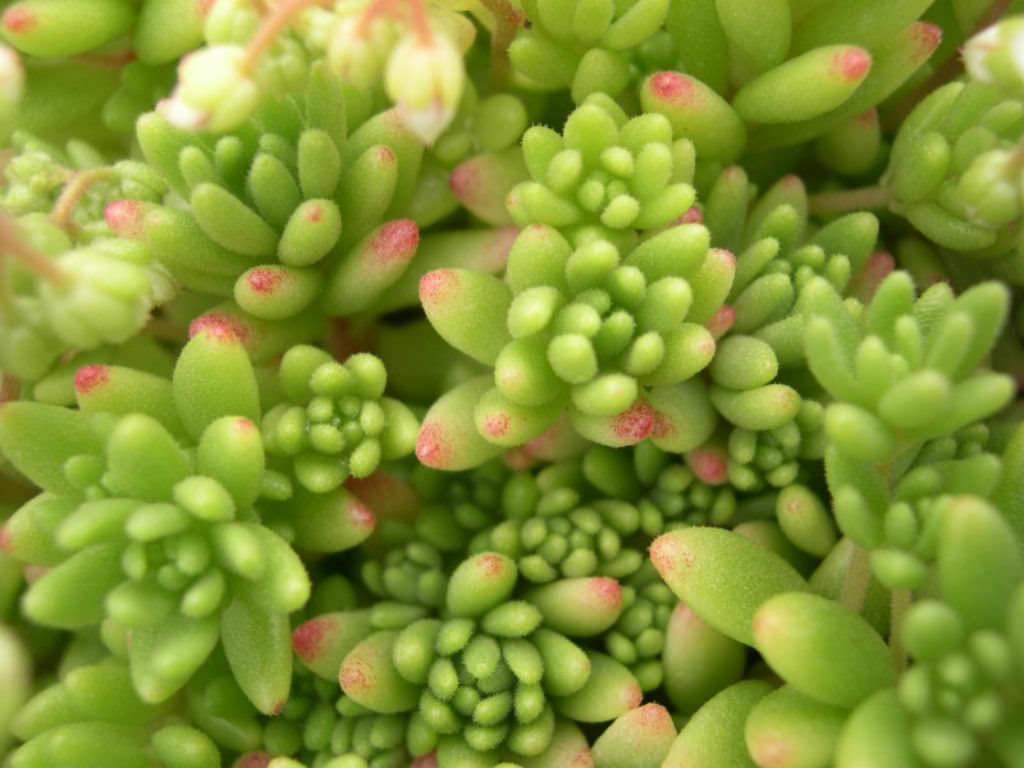
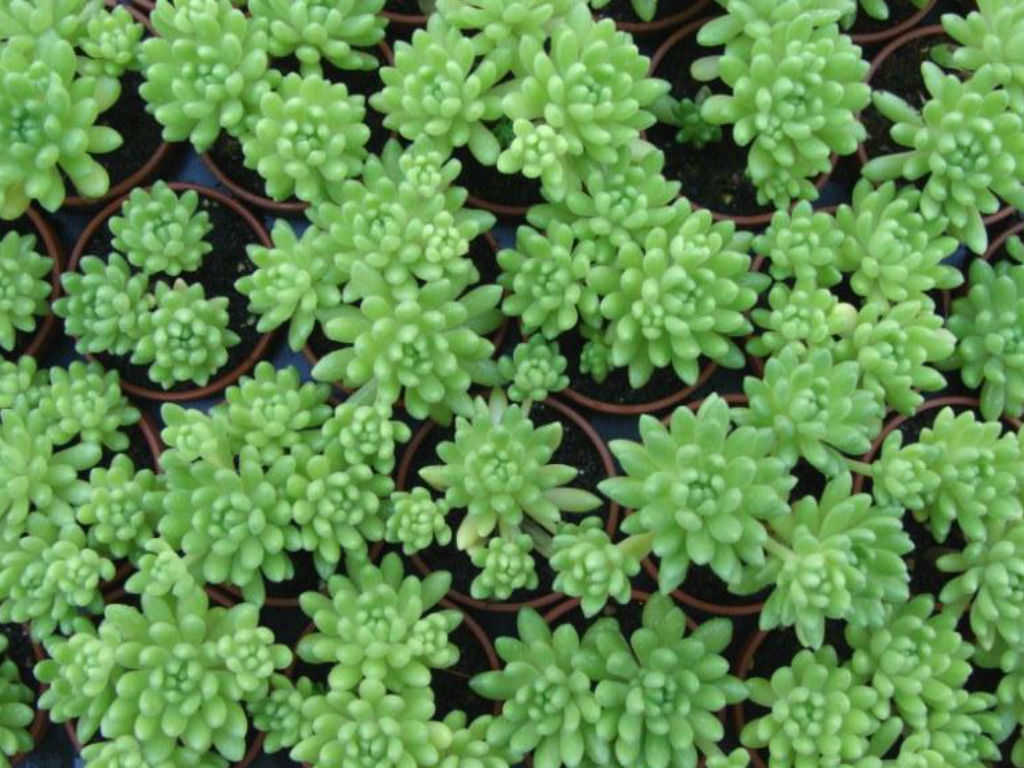
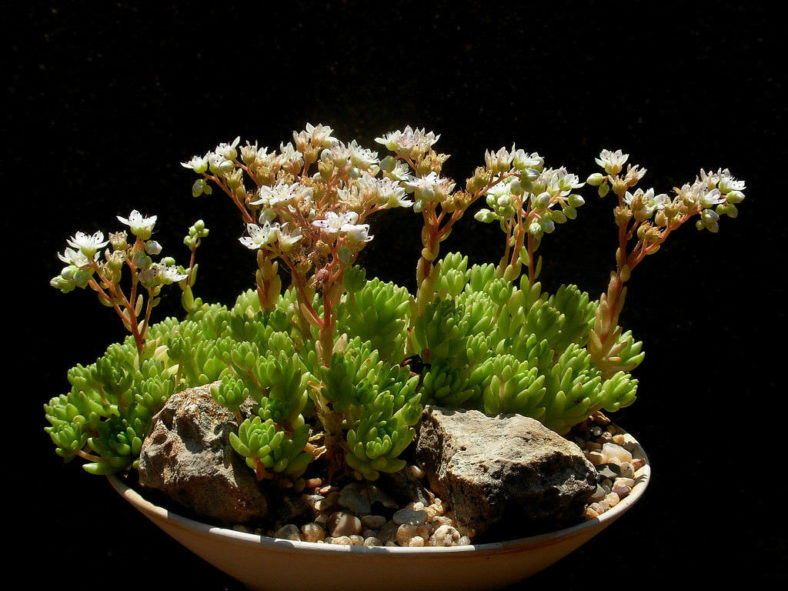
Sedum hirsutum is a low-growing succulent with thin stolons, each with a terminal, rooting rosette of small, fleshy leaves densely covered with short, soft hair. It usually forms tufts. The stolons can grow up to 2.4 inches (6 cm) long, while the rosettes can reach a diameter of 1.6 inches (4 cm). The leaves are light green, not very sticky, and flattened on the upper surface, measuring up to 0.6 inches (1.5 cm) in length.
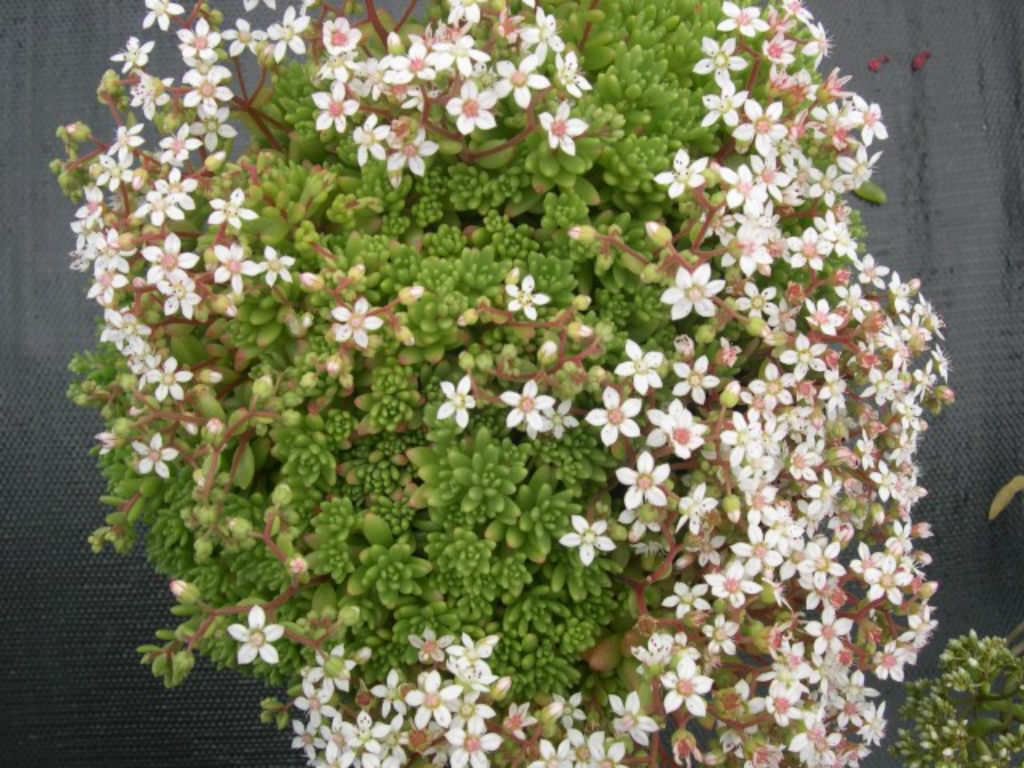
The flowers are star-shaped, usually 5-merous, white or pinkish, and appear in few-flowered clusters on short stalks in summer.
Origin
Sedum hirsutum is native to southwestern Europe (Portugal, Spain, France, Italy) and northwestern Africa (Morocco).
Subspecies of Sedum hirsutum
- Sedum hirsutum subsp. baeticum
- Sedum hirsutum subsp. hirsutum
How to Grow and Care for Sedum hirsutum
Hardiness: USDA hardiness zones 8b to 9b: from 15°F (-9.4°C) to 30°F (-1.1°C).
When growing Sedums, keep in mind that these plants need very little attention. They will thrive in conditions where many other plants thrive, but also do just as well in less hospitable areas. They are ideal for parts of your yard that get too much sun or too little water, making it difficult for other plants to grow. Sedum is commonly called Stonecrop because many gardeners joke that only stones need less care and live longer.
Sedum is easily planted. For shorter varieties, lay the plant on the ground where you want it to grow to get started. They will send out roots from wherever the stem touches the ground and the root itself. To ensure the plant starts there, add a very thin layer of soil on top.
You can break off one of the stems from taller varieties and push it into the ground where you want it to grow. The stem will root very easily, and a new plant will be established in a season or two.
Learn more at How to Grow and Care for Sedum.
Links
- Back to genus Sedum
- Succupedia: Browse succulents by Scientific Name, Common Name, Genus, Family, USDA Hardiness Zone, Origin, or cacti by Genus
Photo Gallery
Click on a photo to see a larger version.