Scientific Name
Pelargonium appendiculatum (L. f.) Willd.
Synonym(s)
Geraniospermum appendiculatum, Geranium appendiculatum, Hoarea appendiculatum
Scientific Classification
Family: Geraniaceae
Genus: Pelargonium
Etymology
The specific epithet "appendiculatum" (pronounced "ap-pen-dik-yoo-LAY-tum") means "appendiculate; having a small appendage" and refers to this species' well-developed stipules.
Description
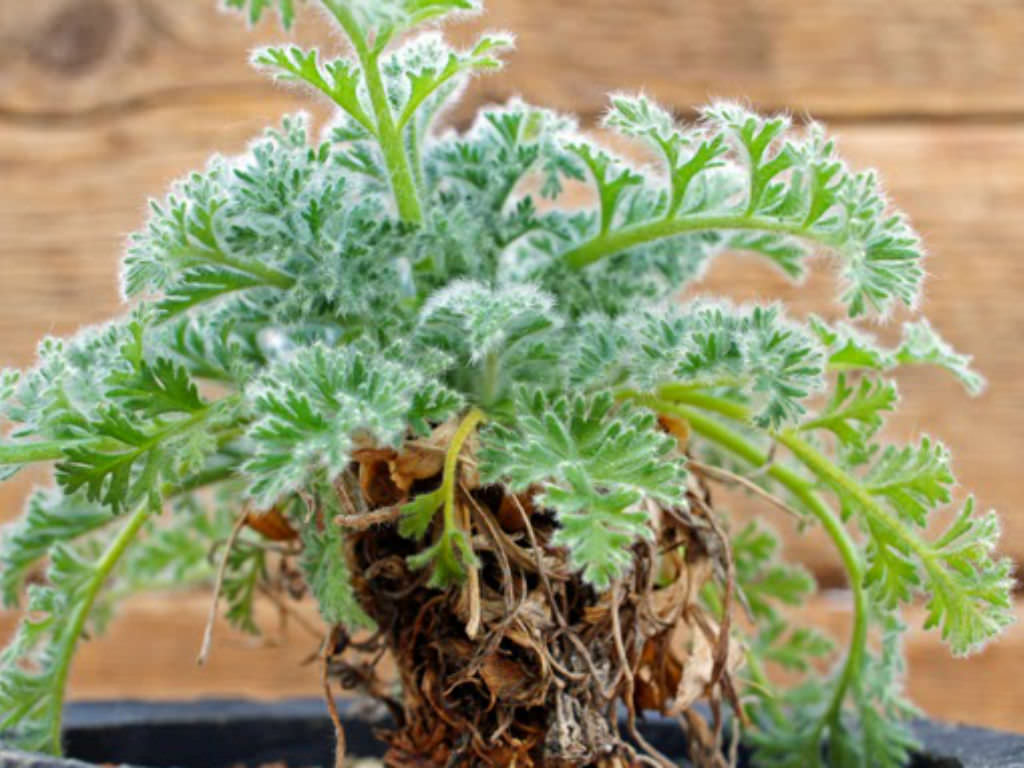
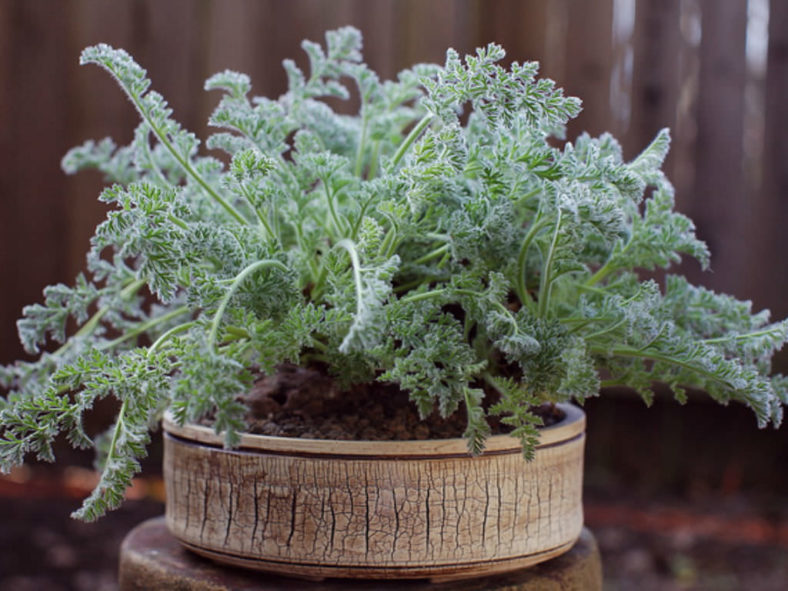
Pelargonium appendiculatum is a tuberous geophyte with a very short stem covered with grey, irregularly incised, softly hairy leaves. It can grow up to 12 inches (30 cm) tall. The ear-shaped, exceptionally broad, rigid stipules and the silky decompound leaves distinguish this from all allied species. The thickened root can reach a diameter of 5 inches (12.5 cm). The leaves are 2- or 3-pinnatisect and can grow up to 4 inches (10 cm) long.
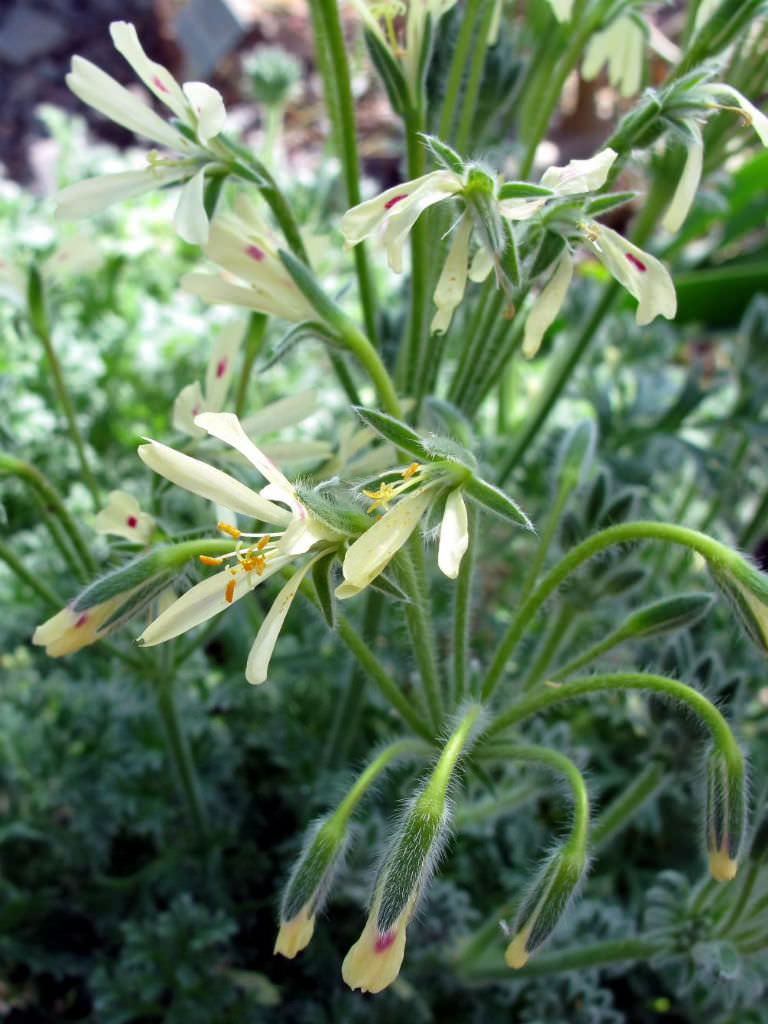
The flowers appear in two or three clusters on branching stalks, with up to 15 in each cluster. They have five pale yellow petals, with the upper two marked with red.
Origin
Pelargonium appendiculatum is native to South Africa. It occurs in deep coastal sand from near Kotzesrus in the Northern Cape to Leipoldtville in the Western Cape.
How to Grow and Care for Pelargonium appendiculatum
Hardiness: USDA hardiness zones 9b to 10b: from 25°F (-3.9°C) to 40°F (4.4°C).
Most Pelargoniums are grown in pots in a greenhouse or conservatory. You can also grow them indoors, but they must be in the sunniest area possible. Many species do well when planted outdoors in an open area and grow larger. However, this can be a problem if you want to replant them in a pot for the winter months. You can take cuttings in the summertime to make new plants.
Succulent species grow well with other succulents and cacti. Pelargoniums are very attractive and among the toughest, most durable succulents.
Pelargonium mainly need a warm, sunny, sheltered location. Many species will tolerate drought conditions for short periods. They will show you when they want water by producing a crop of new leaves. Almost all species are winter growers. After summer, you can wait until the plants begin to grow, but you can also give them light, springs, or a shower to stimulate growth. When they are in full leaf, they like water. Always allow the soil to dry out between waterings. Overwatering can cause unnatural growth.
See more at How to Grow and Care for Pelargonium.
Links
- Back to genus Pelargonium
- Succupedia: Browse succulents by Scientific Name, Common Name, Genus, Family, USDA Hardiness Zone, Origin, or cacti by Genus
Photo Gallery
Click on a photo to see a larger version.