Scientific Name
Pectinaria articulata subsp. namaquensis (N.E.Br.) Bruyns
Synonym(s)
Ceropegia articulata subsp. namaquensis, Pectinaria articulata var. namaquensis, Pectinaria namaquensis
Scientific Classification
Family: Apocynaceae
Subfamily: Asclepiadoideae
Genus: Pectinaria
Etymology
The specific epithet "namaquensis" (pronounced "nam-uh-KWEN-sis") means "of or from Namaqualand" and refers to the Namaqualand🡕, an arid region of Namibia and South Africa, which is the origin of this subspecies.
Origin
Pectinaria articulata subsp. namaquensis is native to South Africa. It occurs on gravelly flats and rocky hilltops in Western Bushmanland, from north-east of Springbok southwards along the drier eastern side of the Kamiesberg to Kliprand and Loeriesfontein.
Description
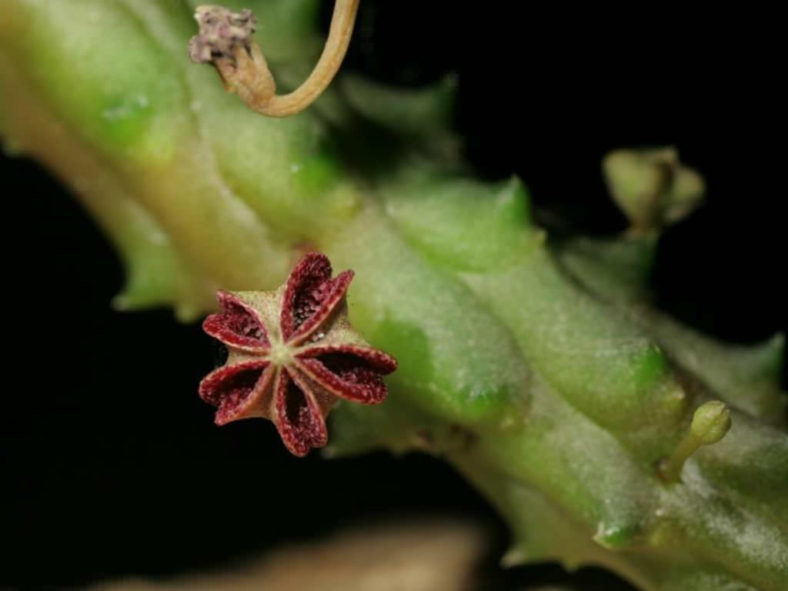
Pectinaria articulata subsp. namaquensis, formerly known as Pectinaria namaquensis, is a rare succulent that forms mats of short, branched stems, growing up to 3 inches (7.5 cm) long and 0.5 inches (1.3 cm) in diameter.
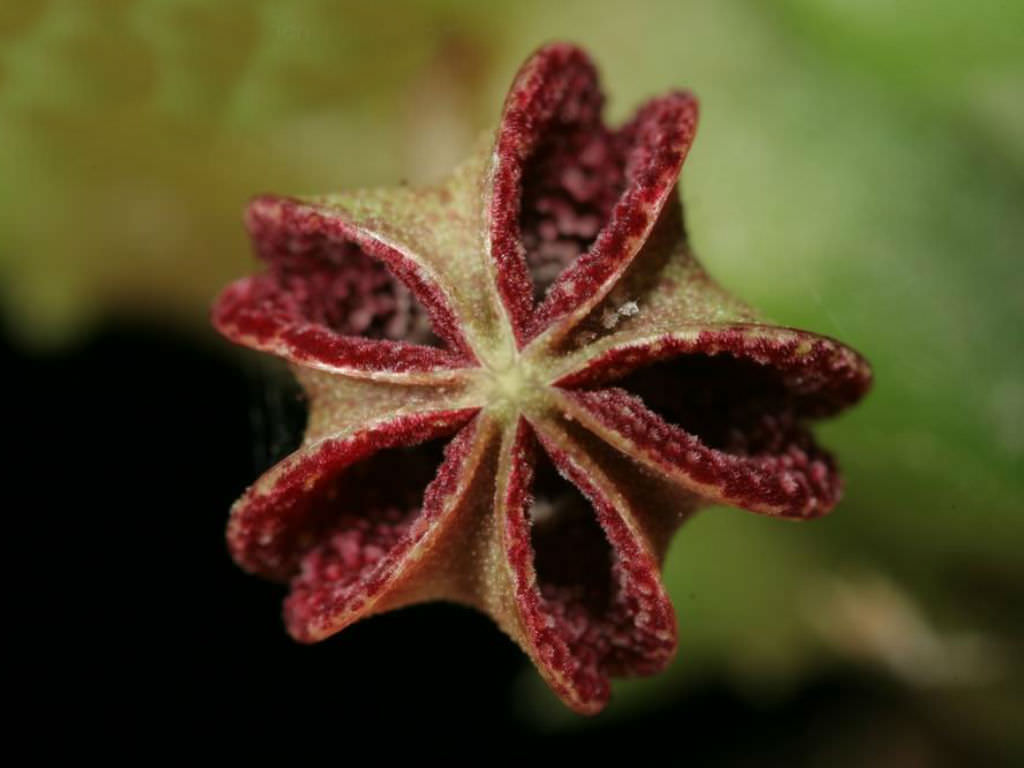
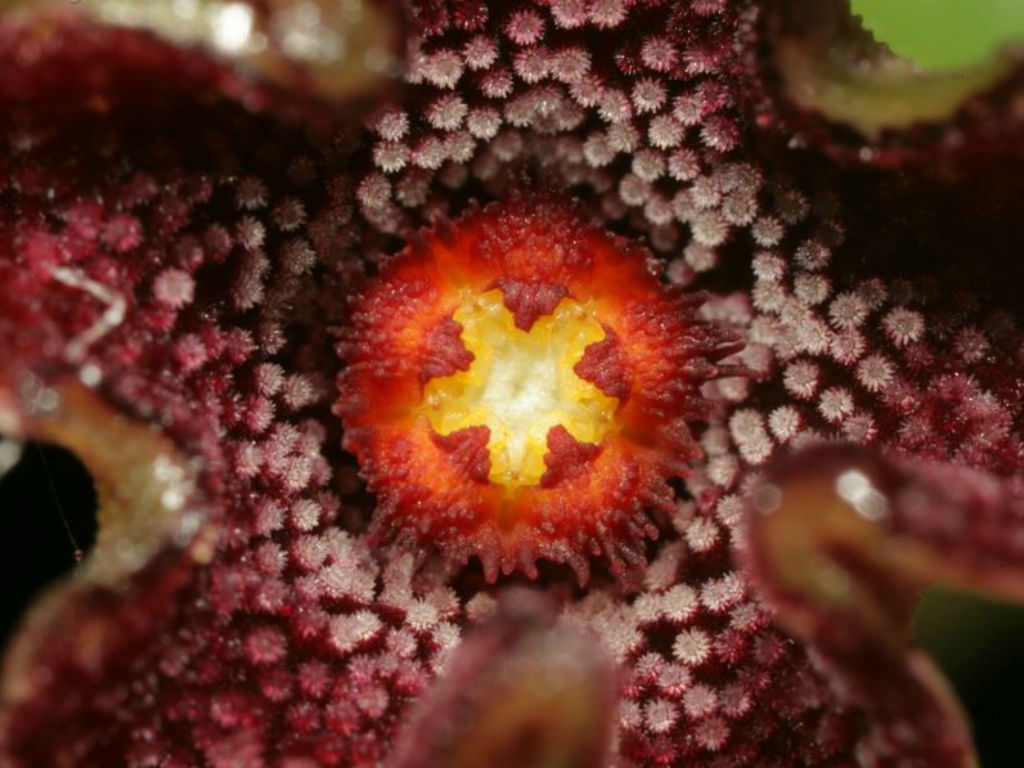
The flowers are greenish-yellow or purple-red, characterized by corolla lobes united at their tips, which hide much of the flower's interior from view. Only narrow openings are left between the lobes for tiny insects to access the flower parts involved in pollination.
How to Grow and Care for Pectinaria articulata subsp. namaquensis
Hardiness: USDA hardiness zone 10a to 11b: from 30°F (-1.1°C) to 50°F (10°C).
Stapeliads are relatively easy to grow. However, they should be treated as outdoor plants as they will easily rot indoors and cannot flower without exposure to outdoor temperature fluctuations. They should be grown under cover so that watering can be controlled. They require a reasonable amount of sunlight to promote flowering and maintain a well-shaped plant. Very shady positions will produce very poor flowering. Stapeliads come from climates where they survive extremely high temperatures in the summer months, so most growth is in spring and autumn, with flowering in autumn when the weather starts to cool down. Water in moderation when needed during the growing season, making sure the soil is fairly dry between waterings. Do not water between November 1 and March 1.
The easiest and best way to propagate Stapeliads is from stem cuttings, which can be taken year-round. Seed is also a method of propagation.
See more at How to Grow and Care for Stapeliads.
Links
- Back to genus Pectinaria
- Succupedia: Browse succulents by Scientific Name, Common Name, Genus, Family, USDA Hardiness Zone, Origin, or cacti by Genus
Photo Gallery
Click on a photo to see a larger version.