

Mealybugs are a common pest on cacti. Greenhouse and windowsill collections are especially vulnerable to these pests. You can eliminate mealybugs temporarily, but they are difficult to eradicate, especially in large groupings of plants.
Deal effectively with mealybugs and restore healthy environmental conditions in your cactus collection to prevent future infestations.
About Mealybugs
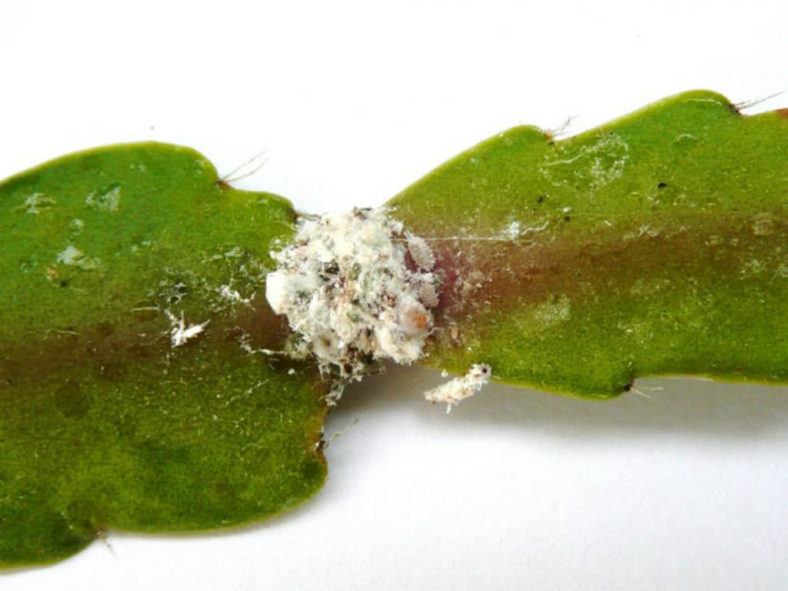
Mealybugs are gray or light brown insects 0.08 to 0.12 inches (2 to 3 mm) long. They resemble woodlice. Mealybugs can accumulate around the base of a cactus or just beneath the soil around its growing point. An early sign of a mealybug problem is a secretion that resembles white fluff on the plant. This is where the bugs reproduce. Fallen needles may also indicate mealybugs. Squashed bugs leave red or green stains. Ants farm mealybugs for their sweet secretions. An ant problem near a cactus may indicate mealybugs.
Natural Remedies
Many effective nonchemical approaches can help you deal with mealybugs. Experiment to find the best method for your cactus. Dab bugs and white fluff with denatured alcohol on a cotton swab to kill the insects. Repeat this treatment as needed to remove all bugs from the plant, and check it thoroughly every three weeks. Fumigant smoke cones may be effective when used regularly, especially for large groups of plants in a greenhouse. Alternatively, spray the cactus with several drops of dish soap diluted in a cup of water. For biological control, introduce a mealybug predator such as Cryptolaemus montrouzieri. Be aware that biological controls for mealybugs in home settings can be less effective, as maintaining a predator-prey balance can be challenging. Manage an ant problem to deter mealybug farming.
Chemical Remedies
Systemic insecticides poison bugs that ingest the cactus's sap. However, human skin may also absorb these poisons. Imidacloprid is effective against mealybugs and less toxic to animals than other chemical treatments. Water plants with imidacloprid once every several months during active growth. To deal with a root infestation, immerse the cactus's pot in a bucket containing insecticide and a few drops of dish soap. Let the plant dry completely after this treatment. Ensure no mealybugs survive a chemical treatment to reduce insecticide resistance.
Preventative Care
Isolate a newly acquired cactus for two to three weeks to observe whether it contains mealybugs. Then, regularly inspect all your cactus plants to catch a mealybug infestation early, before it spreads to nearby plants. Notice any dramatic changes in your cactus's condition, such as discoloration or sudden limpness, as these may be signs of a mealybug problem that is not readily visible. Keep the area around your cactus clean and free of dried leaves and dropped flowers, as rotting organic matter provides an ideal home for many pests and diseases.
Source: sfgate.com
Links
- Succupedia: Browse succulents by Scientific Name, Common Name, Genus, Family, USDA Hardiness Zone, Origin, or cacti by Genus