Scientific Name
Dischidia ruscifolia Decne. ex Becc.
Synonym(s)
Dischidia myrtillus, Hoya ruscifolia
Common Name(s)
Million Hearts
Scientific Classification
Family: Apocynaceae
Subfamily: Asclepiadoideae
Genus: Dischidia
Etymology
The specific epithet "ruscifolia" (pronounced "rus-kih-FOH-lee-uh") means "Ruscus-leaved; having Ruscus-like leaves" and refers to the resemblance of the leaves of this species to those of the members of the genus Ruscus.
Description
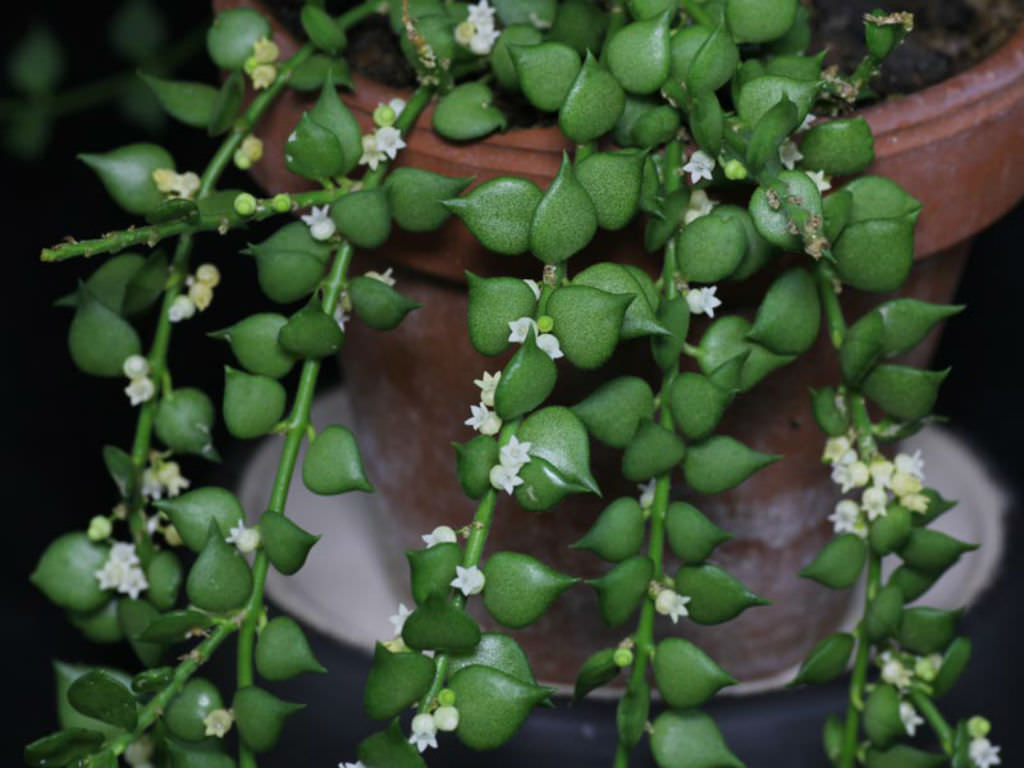
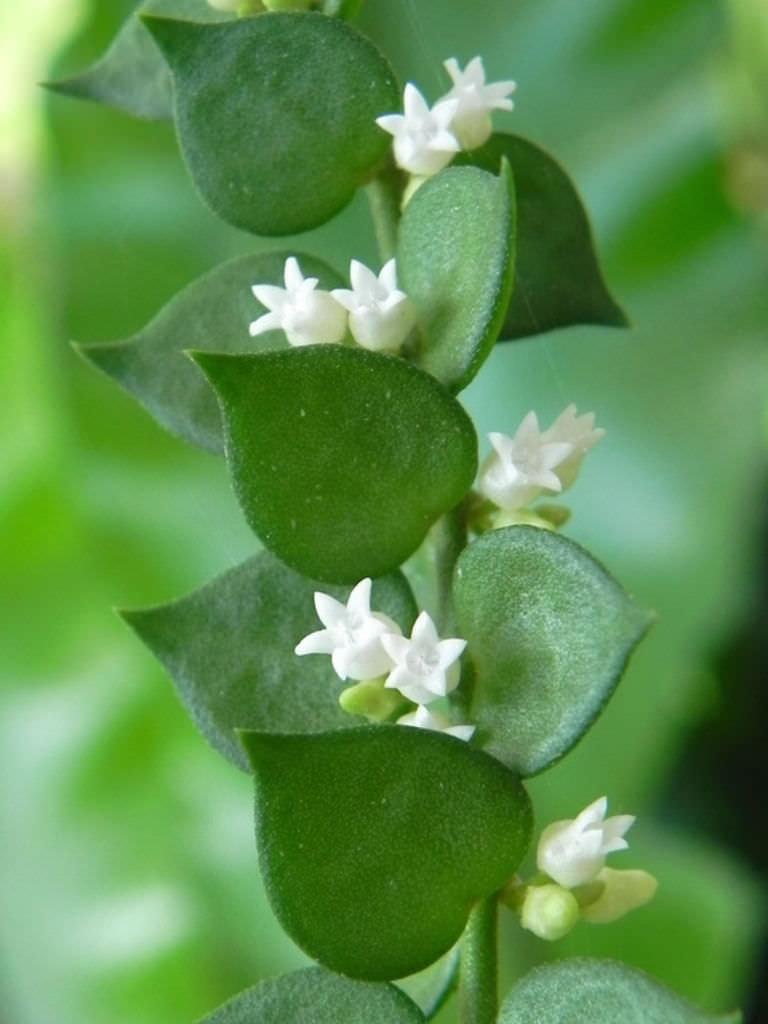
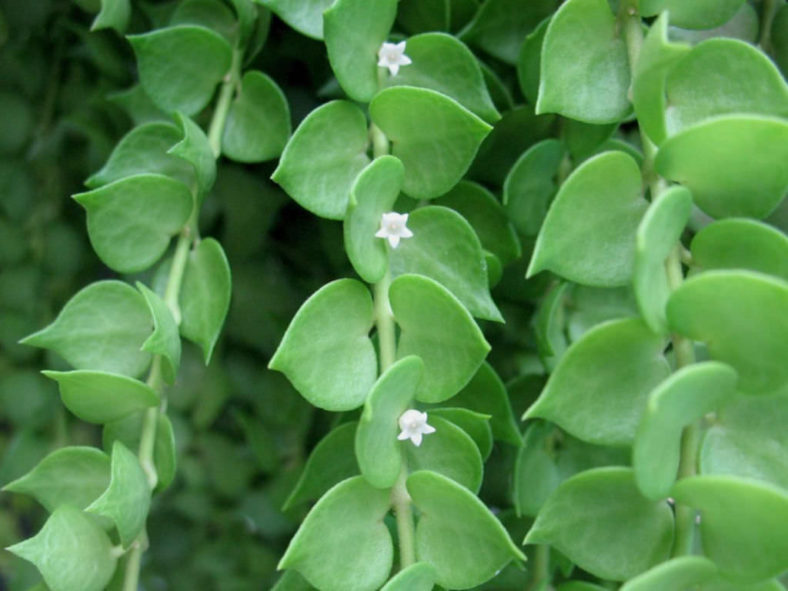
Dischidia ruscifolia is a sprawling or climbing plant with slender stems adorned with pairs of succulent, heart-shaped leaves. The green stems are repeatedly branched near the base and can grow up to 3.3 feet (1 m) long. The leaves are green with prominent veins and a red tinge in intense light. They can measure up to 0.4 inches (1 cm) in length.
The tiny, axillary flowers are white and appear throughout the year, remaining for long periods.
Origin
Dischidia ruscifolia is native to the Philippines. It grows in dense clumps and clusters on the overhead branches of trees.
How to Grow and Care for Dischidia ruscifolia
Hardiness: USDA hardiness zones 11a to 11b: from 40°F (4.4°C) to 45°F (7.2°C).
Allow the soil to dry out completely before watering the plant. They are used to getting moisture only from dew and the air, and cannot tolerate boggy media. When the bark medium is dry to the touch, submerge the container in water until the air bubbles are gone.
Dischidia also needs high humidity. Mist the plant daily or place the container on a saucer filled with pebbles and water. The water will evaporate, moistening the air, while the pebbles will keep the sensitive roots out of the water.
Dischidia doesn't require fertilizer, but it's recommended to replace the potting medium annually. If you wish, apply a liquid plant food diluted by half when watering, starting in spring and stopping by early fall.
See more at How to Grow and Care for Dischidia.
Links
- Back to genus Dischidia
- Succupedia: Browse succulents by Scientific Name, Common Name, Genus, Family, USDA Hardiness Zone, Origin, or cacti by Genus
Photo Gallery
Click on a photo to see a larger version.