Scientific Name
Aloinopsis rosulata (Kensit) Schwant.
Synonym(s)
Acaulon rosulatum, Aistocaulon rosulatum, Mesembryanthemum rosulatum, Nananthus rosulatus
Scientific Classification
Family: Aizoaceae
Subfamily: Ruschioideae
Tribe: Ruschieae
Genus: Aloinopsis
Etymology
The specific epithet "rosulata" (pronounced "ros-yoo-LAY-tuh") means "rosulate; forming a small rosette" and refers to the arrangement of the leaves of this species.
Origin
Aloinopsis rosulata is native to South Africa. It grows in decomposed shales on flats or lower slopes from Beaufort West in the Western Cape to Willowmore and Steytlerville in the Eastern Cape.
Description
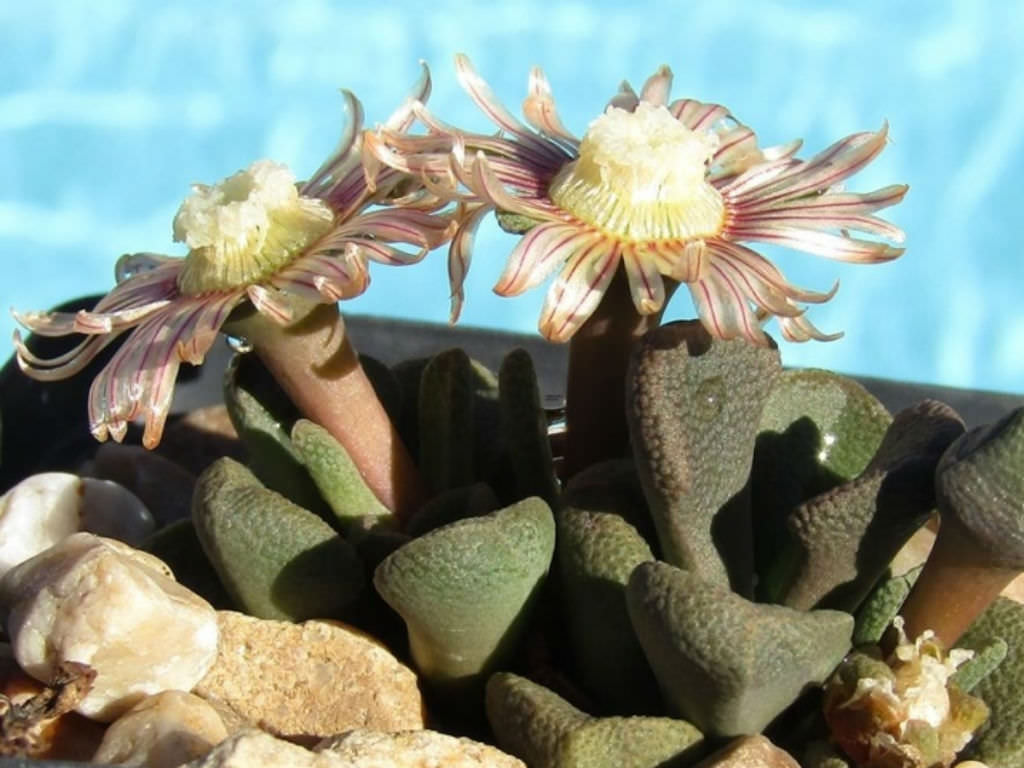
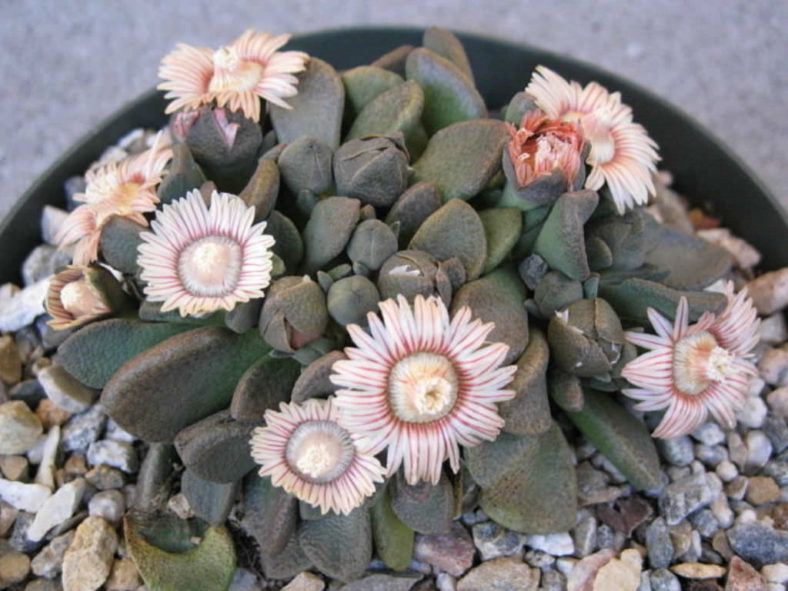
Aloinopsis rosulata is a compact, draft succulent with a thick rootstock and 2 or 3 leaf pairs to a branch, forming rosettes. The rootstock can reach up to 8 inches (20 cm) in length and 1.6 inches (4 cm) in diameter. The leaves are erect, spoon-shaped, with an apical thickening that develops a triangle, and have prominent warts. They can measure up to 1.2 inches (3 cm) long, 0.7 inches (1.7 cm) wide, and 0.25 inches (0.6 cm) thick. The whole plant can reach a diameter of 4 inches (10 cm).
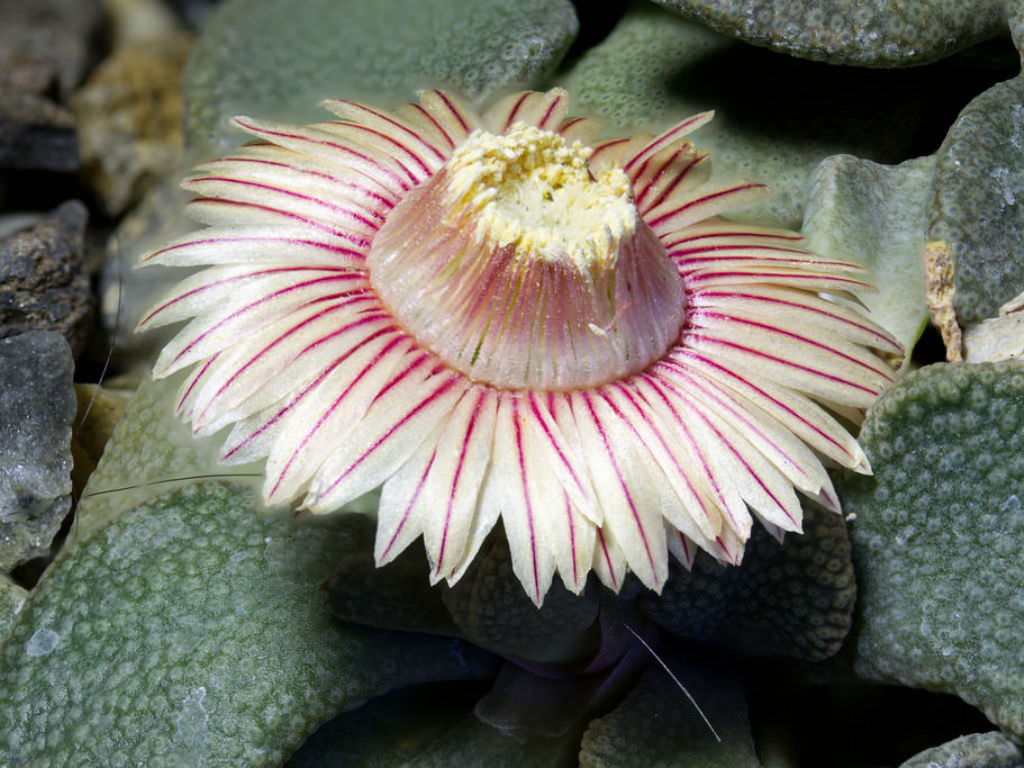
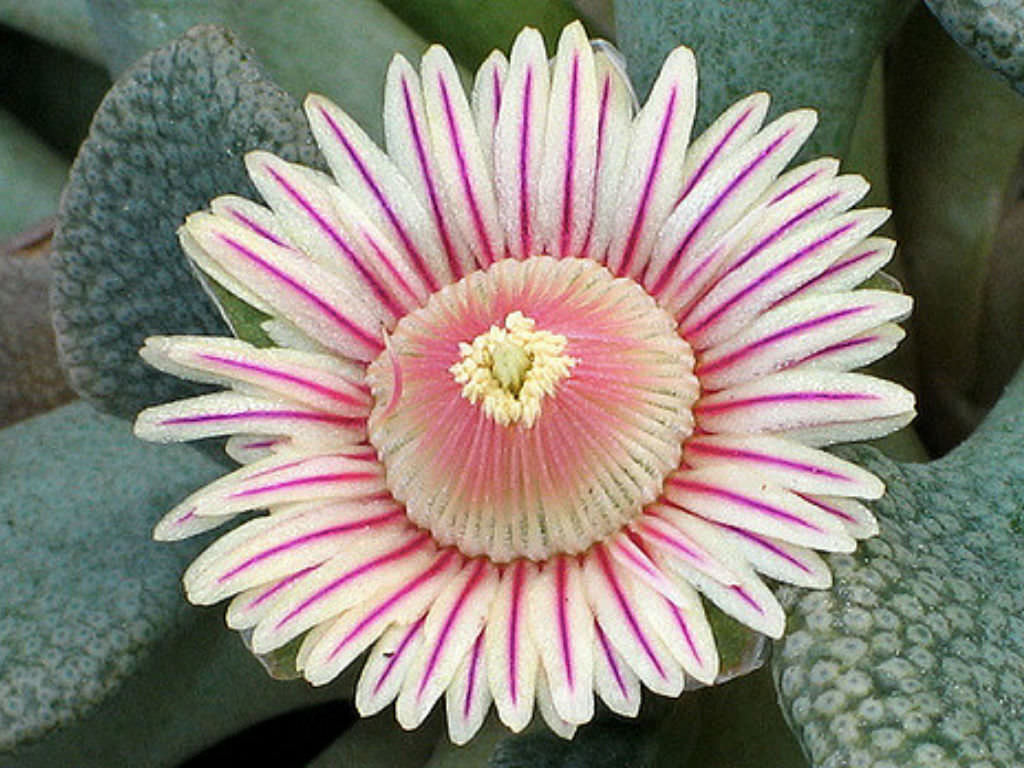
The flowers appear in late winter or early spring, solitary or in groups of 2 to 3. The petals are yellow with a red midstripe. The fruits are 10-locular capsules without a closing body.
How to Grow and Care for Aloinopsis rosulata
Hardiness: USDA hardiness zone 8a to 11b: from 10°F (-12.2°C) to 50°F (10°C).
Aloinopsis are popular among collectors. They are winter growers and need plenty of light. Most are somewhat too extremely cold-hardy and bloom in the winter. Aloinopsis plants can be cultivated in the ground or in a container. They will grow in the cooler months and flower in winter if they get good light (direct sunlight is essential for good blooms).
Aloinopsis is probably dormant in summer, so it is usually recommended not to water it much. Don't be surprised if they don't grow then, but although Aloinopsis are better treated as winter growers, they will grow anyway in summer if given water. Aloinopsis will survive mild frost if kept dry. They can tolerate temperatures down to 23 degrees Fahrenheit (-5 degrees Celsius). They prefer a very porous potting mix to increase drainage.
See more at How to Grow and Care for Aloinopsis.
Links
- Back to genus Aloinopsis
- Succupedia: Browse succulents by Scientific Name, Common Name, Genus, Family, USDA Hardiness Zone, Origin, or cacti by Genus
Photo Gallery
Click on a photo to see a larger version.