Scientific Name
Aloe petricola Pole-Evans
Common Name(s)
Rock Aloe, Stone Aloe
Scientific Classification
Family: Asphodelaceae
Subfamily: Asphodeloideae
Genus: Aloe
Etymology
The specific epithet "petricola" (pronounced "pet-rih-KOH-luh") means "rock-dweller" and refers to the natural habitat of this species.
Origin
Aloe petricola is native to South Africa. It grows on rocky outcrops in a small area of the mountainous country in the Mpumalanga province.
Description
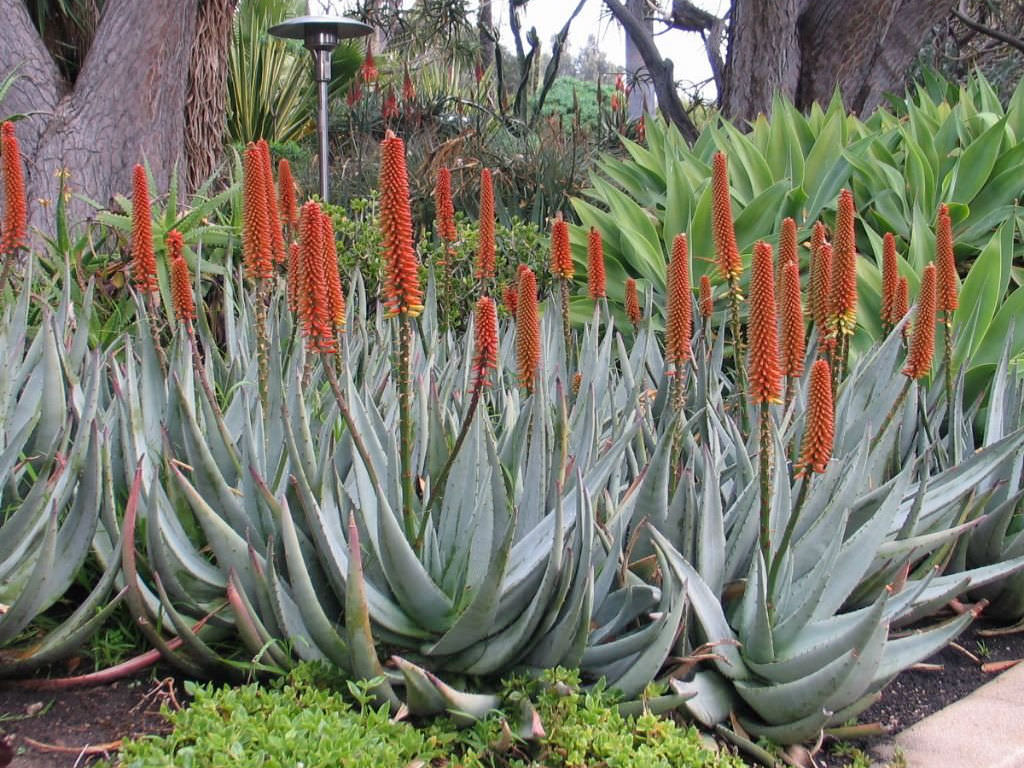
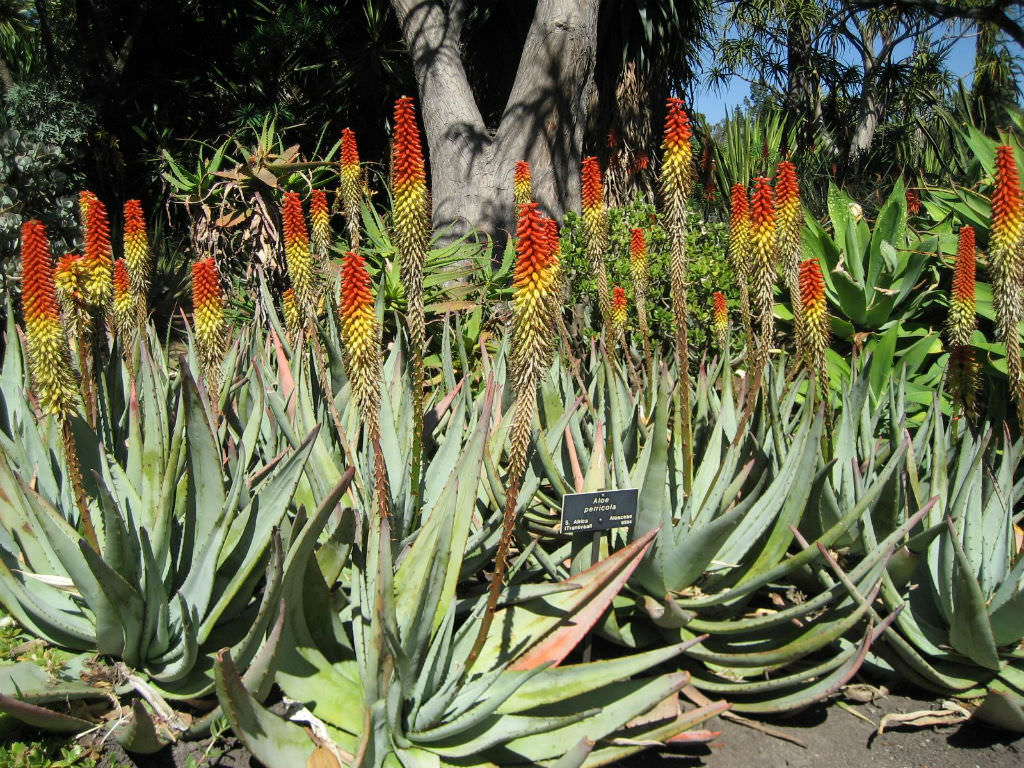
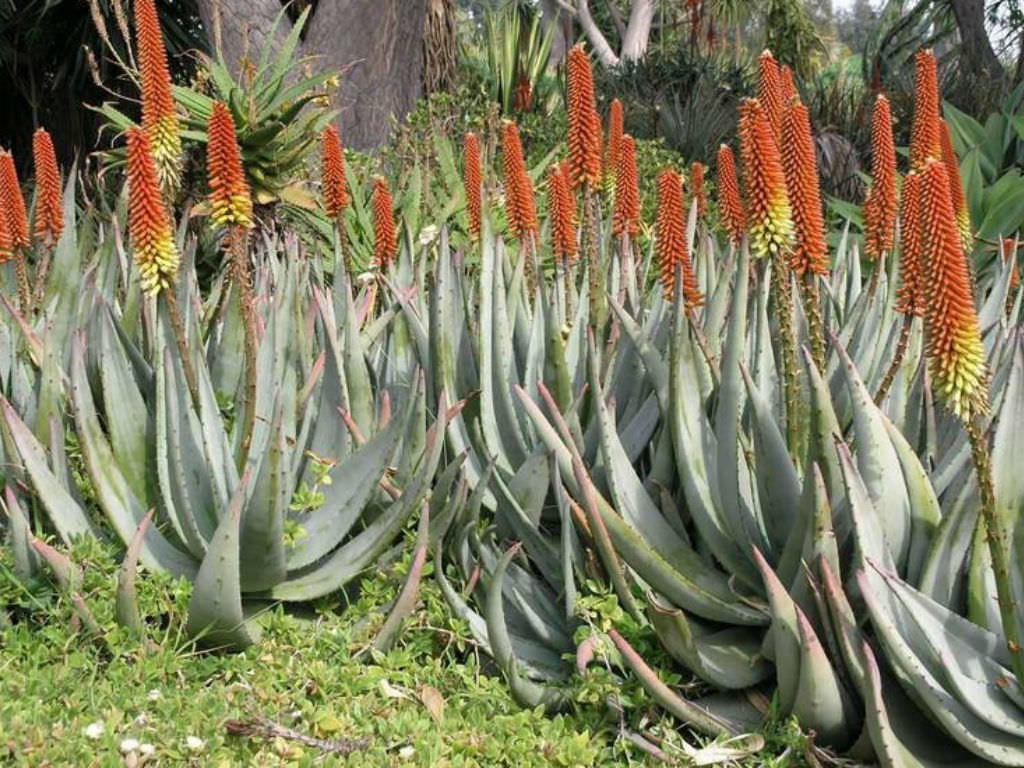
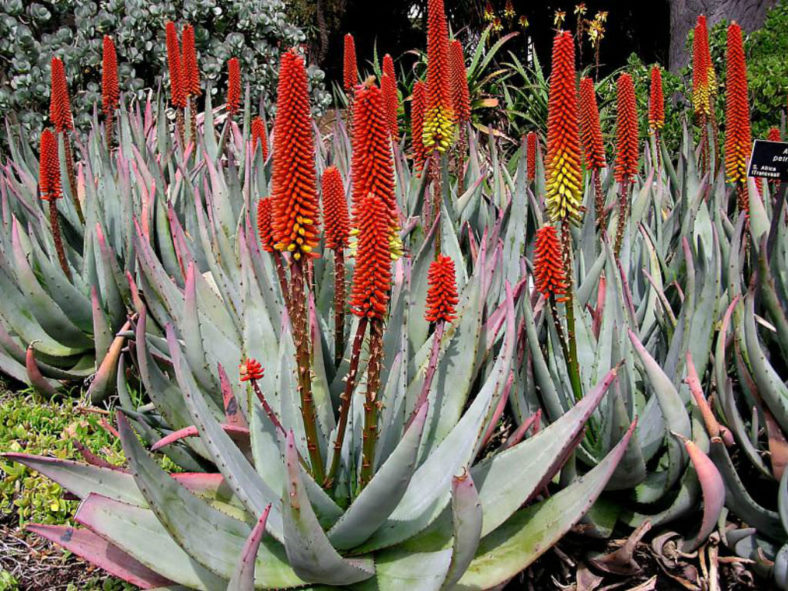
Aloe petricola is a stemless succulent that forms compact rosettes of lance-shaped, grayish-green leaves with margins armed with strong, deltoid, dark brown teeth. The rosettes can grow up to 2 feet (60 cm) tall and 3 feet (90 cm) in diameter, usually solitary or sparsely clustering. The leaves are incurved towards the apex, smooth or with a few scattered small thorns on both surfaces. They have a flat upper surface, slightly channeled towards the apex, and a convex lower surface, measuring up to 24 inches (60 cm) long and 4 inches (10 cm) wide.
This plant is a winter bloomer. The inflorescences are simple in younger plants, 3- to 6-branched in mature specimens, and can grow up to 3.3 feet (1 m) tall. The racemes are erect, cylindrical, densely flowered, and usually bicolored, with dull red to coral-red buds and orange to ivory flowers spreading downward and opening from bottom to top. They can reach up to 20 inches (50 cm) in length.
How to Grow and Care for Aloe petricola
Hardiness: USDA hardiness zone 9b to 11b: from 25°F (-3.9°C) to 50°F (10°C).
Aloe is a very forgiving plant. However, as with all succulents, Aloe must never be allowed to sit in stagnant water, and the plant should be carefully monitored to watch for signs of overwatering. Water generously in the summer and nearly cease watering in the winter. Do not let water stand in the rosettes.
Aloes are not particularly fast-growing and will only rarely need repotting. Repot plants in the spring that are tipping over their pots or have ceased growing. Use a fast-draining potting mix with one-third sand or pebbles. When repotting a larger plant, dividing the root ball carefully is possible. Some kinds of Aloe produce offsets that can be potted independently.
See more at How to Grow and Care for Aloe.
Links
- Back to genus Aloe
- Succupedia: Browse succulents by Scientific Name, Common Name, Genus, Family, USDA Hardiness Zone, Origin, or cacti by Genus
Photo Gallery
Click on a photo to see a larger version.