Scientific Name
Aloe elgonica Bullock
Common Name(s)
Mt. Elgon Aloe
Scientific Classification
Family: Asphodelaceae
Subfamily: Asphodeloideae
Genus: Aloe
Etymology
The specific epithet "elgonica" (pronounced "el-GOH-nik-uh") means "of or pertaining to Mount Elgon". It refers to Mount Elgon🡕, a massive, solitary volcanic mountain on the border of eastern Uganda and western Kenya, the origin of this species.
Origin
Aloe elgonica is native to Kenya. It occurs on Mount Elgon at elevations between 6,500 and 7,800 feet (1,980 and 2,380 m).
Description
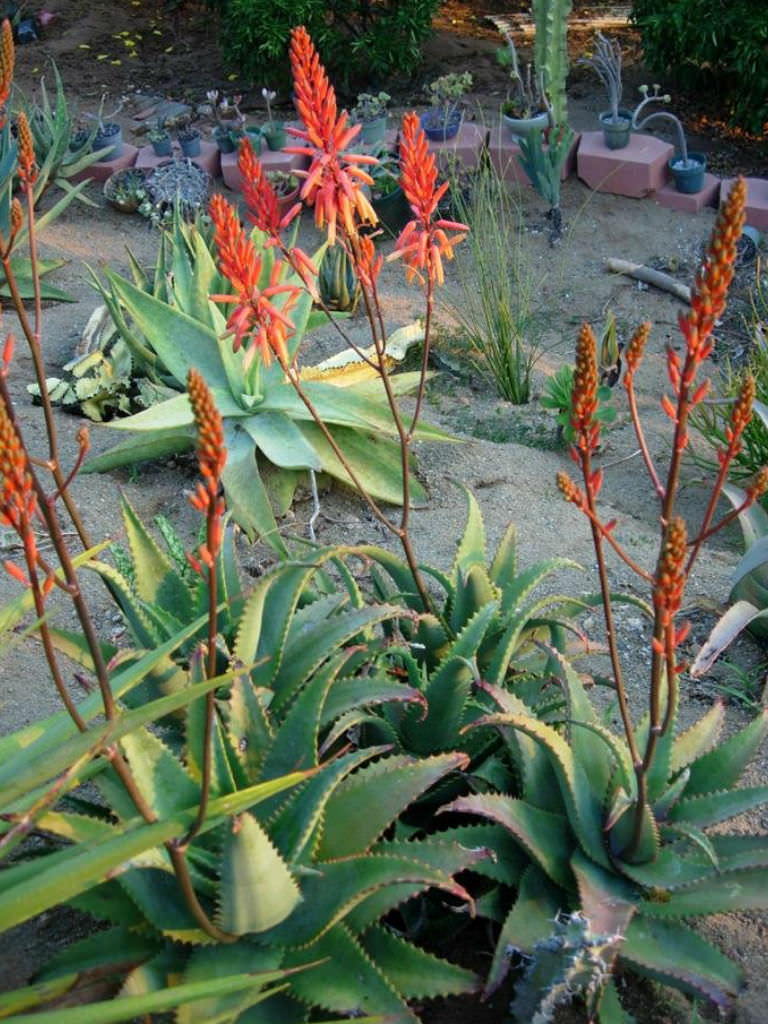
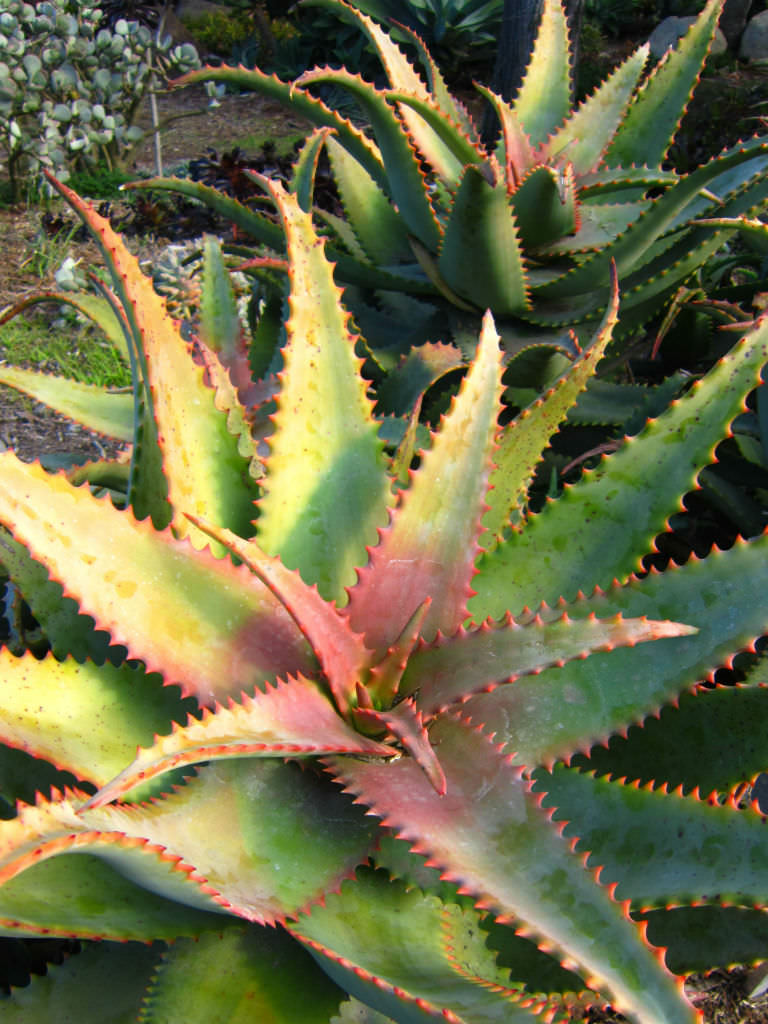
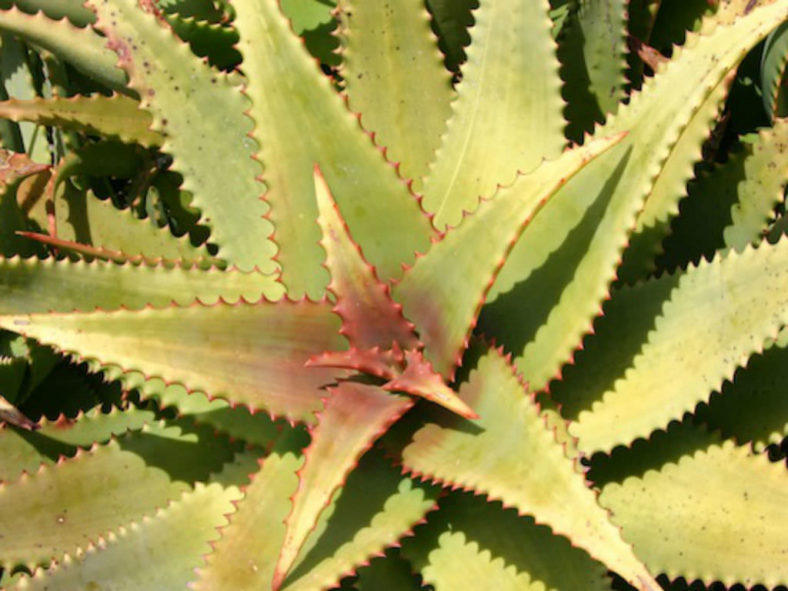
Aloe elgonica is an attractive succulent that forms clumps of erect or decumbent stems, each topped by a rosette of glossy, medium-green leaves. It can grow up to 3 feet (90 cm) tall. The rosettes can reach a diameter of 1 foot (30 cm). The leaves are recurved with deltoid teeth along the margins. They are flushed with pink when first emerging.
The flowers are bright red and appear in densely flowered racemes in a simple or branching inflorescence from late spring to mid-summer.
How to Grow and Care for Aloe elgonica
Hardiness: USDA hardiness zone 9b to 11b: from 25°F (-3.9°C) to 50°F (10°C).
Aloes are very forgiving plants. However, as with all succulents, Aloe must never be allowed to sit in stagnant water, and the plant should be carefully monitored to watch for signs of overwatering.
Aloes are not particularly fast-growing and will only rarely need repotting. Repot plants in the spring that are tipping over their pots or have ceased growing. Use a fast-draining potting mix with one-third sand or pebbles. When repotting a larger plant, dividing the root ball carefully is possible. Some kinds of Aloe will send off offsets that can be potted independently.
It needs intense, bright light. They can withstand full summer sun once acclimated. In the winter, provide bright light. It prefers warmer temperatures of 70°F to 80°F (21°C to 27°C) but will survive down to 40°F (4.5°C). Feed with cactus fertilizer only in the summer. Suspend feeding in the winter as the plant goes dormant.
See more at How to Grow and Care for Aloe.
Links
- Back to genus Aloe
- Succupedia: Browse succulents by Scientific Name, Common Name, Genus, Family, USDA Hardiness Zone, Origin, or cacti by Genus
Photo Gallery
Click on a photo to see a larger version.